Jul 27
American Infra
California’s High-Speed Rail Hits Dead End: Feds Pull Plug, Push for Practical Projects
Adobe Stock/Proxima Studio/stock.adobe.com
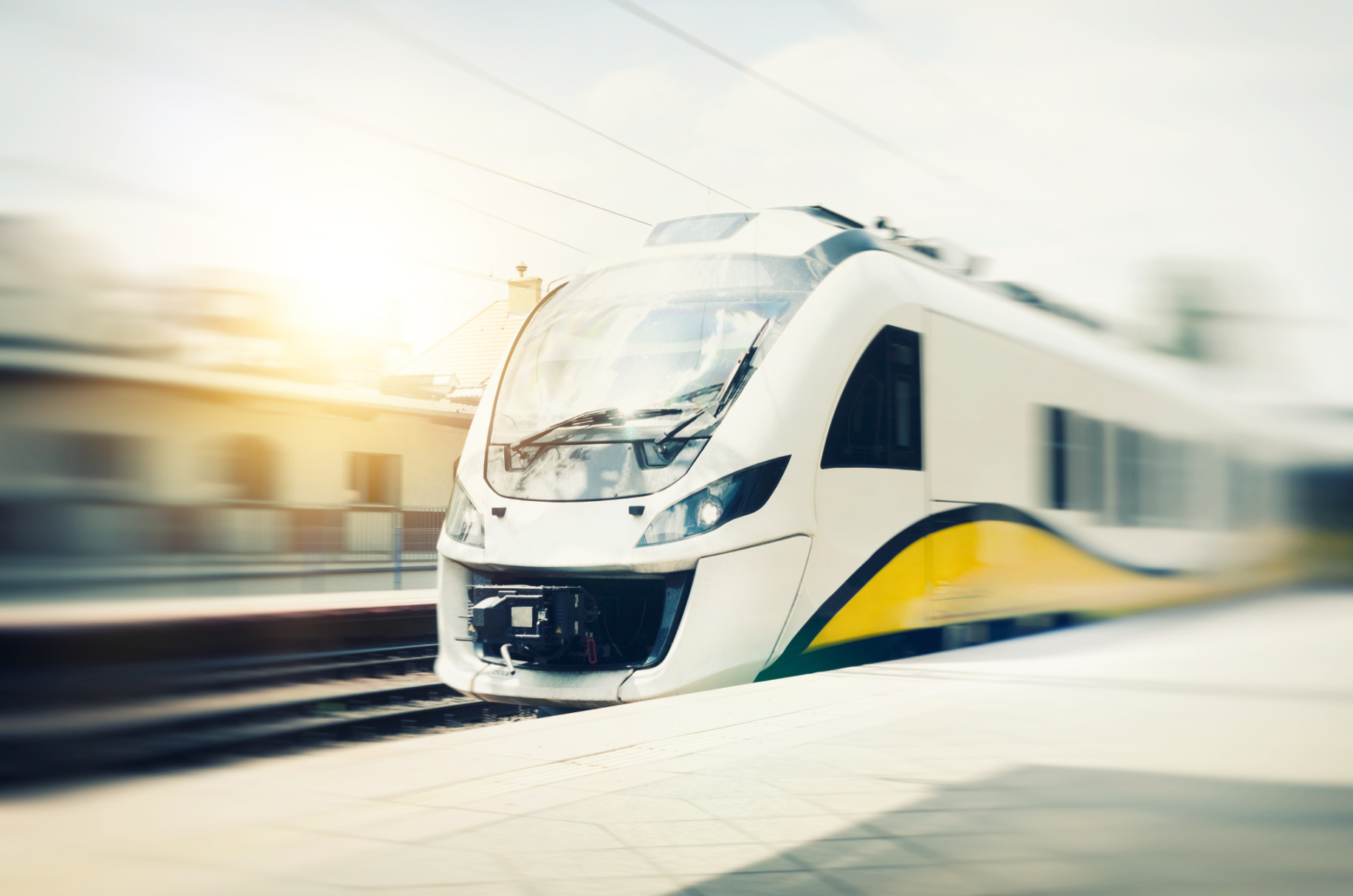
In a decisive rebuke of California’s embattled high-speed rail project, a coalition of Republican lawmakers has formally urged U.S. Transportation Secretary Sean Duffy to redirect billions in reclaimed federal funds to highway and infrastructure improvements across the Golden State. Their letter, signed by ten members of Congress, follows the Federal Railroad Administration’s (FRA) recent termination of funding agreements with the California High-Speed Rail Authority and the recovery of $4 billion in federal infrastructure dollars.
Citing cost overruns, missed deadlines, and questionable ridership projections, the lawmakers blasted the project as fiscally irresponsible and ultimately unviable. “With nothing to show for the billions of dollars in federal and state investment,” the letter reads, “this project continues to drain taxpayer coffers while other important infrastructure projects languish.”
The $128 billion rail line—originally pitched as a transformative high-speed connection between San Francisco and Los Angeles—has long been a flashpoint in California politics. First approved by voters in 2008, the project has struggled with mounting costs, environmental lawsuits, and a lack of cohesive planning. Federal officials have now echoed what local leaders have been saying for years: the train is going nowhere fast.
Among the most vocal critics is Assemblywoman Alexandra M. Macedo, who represents California’s 33rd Assembly District, which includes Tulare, Kings, and parts of Fresno Counties—areas that were once promised economic revitalization through the high-speed rail initiative. Macedo has repeatedly condemned the project as a waste of taxpayer dollars and a failed promise to the Central Valley.
“After 17 years and $14 billion spent, the high-speed fail has only managed to start construction from a field to an orchard,” Macedo said in a recent statement. “Not a foot of track has been laid.”
She has called on both state and federal leaders to shift focus toward infrastructure that directly supports jobs, safety, and California’s future: “The state needs to stop wasting taxpayers’ monies. The high-speed rail is not salvageable. The state has higher priorities like water infrastructure and wildfire prevention—lifesaving projects that can provide well-paying jobs for skilled workers in the Central Valley.”
The congressional letter to Secretary Duffy supports that sentiment and urges the Department of Transportation to redirect the $4 billion to shovel-ready projects that would expand and repair key routes, including State Routes 99, 65, 70, 152 and major interstates like I-5, I-15, I-80, and I-395. Lawmakers also propose allocating funds for roadways damaged by Los Angeles wildfires and enhancements required for the 2028 Olympic Games.
These projects, they argue, are not only more feasible but are vital to ensuring the health of California’s economy. “These alternative projects would bolster our water infrastructure, boost our supply chain, and reduce congestion on some of the state’s most important transportation arteries,” the letter states. “Ensuring the connectivity of California’s vast economy will provide a much greater return on investment rather than a high-speed train to nowhere.”
Democratic leaders, meanwhile, are digging in. Governor Gavin Newsom and other top Democrats have condemned the FRA’s decision as politically driven and legally questionable. They maintain that the project is key to reducing greenhouse gas emissions, alleviating highway congestion, and modernizing the state’s transportation network. They also point to ongoing progress—over 60 miles of guideway under construction and more than 50 completed structures—as evidence that the project is advancing despite setbacks.
Still, public sentiment, especially in the Central Valley, appears to be shifting. For leaders like Macedo and the bipartisan group backing the FRA’s decision, it’s not just about stopping a bad project—it’s about prioritizing the right ones.
“As the Department works to reprioritize this funding,” the lawmakers conclude, “we hope to redirect valuable federal resources away from California’s failed High-Speed Rail project and back into roadways that serve as the backbone of our supply chain infrastructure.”
With billions now back on the table and battle lines drawn, California’s transportation future is at a crossroads—literally and figuratively. And if critics have their way, the only thing high-speed about this rail project will be how quickly it’s left behind.
RECENT

Creating a Cozy Home That Supports Your Well-Being
Health & Wellness

Creating a Cozy Home That Supports Your Well-Being
Health & Wellness

5 Easy Ways to Prepare for the Next Season Before It Takes Over
Health & Wellness

Your 40s Aren’t Just About Hormones — They’re About Your Heart
Uncategorized

Wellness Benefits of Pumpkin Season
Health & Wellness

Fall Into Wellness: Creating a Healthier Autumn Routine
Health & Wellness

How to Prepare for Holiday Stress Before It Takes Over
Fitness
🇺🇸 Why the Liberty Bell Doesn’t Actually Ring Anymore
Did You Know?

A Rock Star’s Road to Redemption
Entertainment
New York Community Replaces Defaced Declaration Replica
America
BE THE FIRST TO KNOW
Want to stay in the loop? Be the first to know! Sign up for our newsletter and get the latest stories, updates, and insider news delivered straight to your inbox.

More Content By
Jessica Curtis
When Life Steals Your Song
Kindness

Fast Lane, Short Fuse
Living Civics

Honey, I Shrunk the Frogs
Animals

A Small-Town Rescue With Four Paws and a Lesson
Mans Best Friend

When Little Ears Learn Big Words
Living Civics

The Endless Loyalty and Love of a Dog
Mans Best Friend

When the Calendar Changes, Character Counts
Opinion

Appreciating the Little Moments That Make Life Beautiful
Living Civics

Remember This: The Day America’s Original 13 Became One
Opinion

Memorial Day Is Not Just a Long Weekend
America
View All Content By Jessica Curtis