Apr 01
Offbeat Observances
The History of April Fools’ Day: A Tradition of Trickery and Humor
Adobe Stock/Pixel-Shot/stock.adobe.com
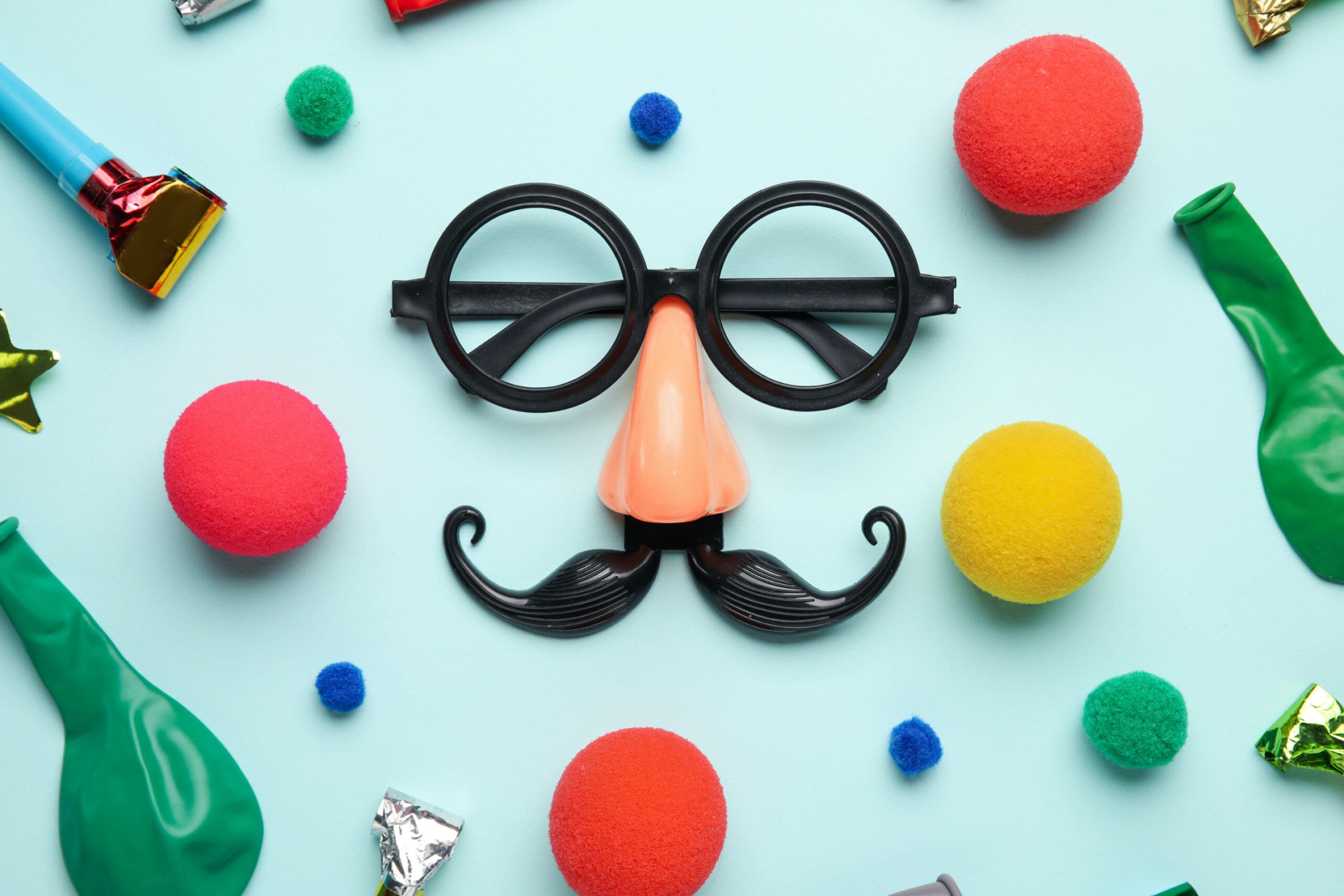
April Fools’ Day, celebrated every year on April 1, is a day of lighthearted pranks and hoaxes. It’s a day when people—from friends and family to major corporations—engage in harmless tricks to fool others, all in good fun. But where did this tradition of mischief come from? The origins of April Fools’ Day remain a mystery, with several theories attempting to explain how this day of playful deception became an annual event.
One popular explanation links the origins of April Fools’ Day to a change in the calendar system. In 1582, Pope Gregory XIII introduced the Gregorian calendar, which moved the start of the new year from April 1 to January 1. However, news of this change spread slowly, and some people continued celebrating the new year on April 1. These individuals were often the targets of jokes, and they became known as “April fools.” This theory, while widely accepted, is just one possible explanation.
Another theory connects April Fools’ Day to ancient festivals. The Roman festival of “Hilaria,” celebrated on March 25, involved playful masquerades and jests. Similarly, the medieval “Feast of Fools,” a day of revelry in which societal roles were reversed and norms were upended, may have influenced the development of the April Fools’ tradition. These festivals marked a time of renewal, where humor and mischief helped break down social barriers.
Additionally, some scholars point to the vernal equinox, which occurs around March 21, as the source of the tradition. This is the time of year when nature is said to “fool” people with unpredictable weather, as spring’s arrival can bring sudden changes in temperature and conditions. The capriciousness of the season might have inspired the notion of fooling others on April 1.
Although the origins are unclear, April Fools’ Day is now a global event, celebrated in many different ways across cultures. In France, the day is known as “Poisson d’Avril” (April Fish), where children tape a paper fish to their friends’ backs as a prank. Once the trick is discovered, they shout “Poisson d’Avril!” as a declaration of the joke. In Scotland, the tradition is called “Huntigowk Day,” where people are sent on an absurd errand with a note that reads, “Dinna laugh, dinna smile. Hunt the gowk another mile.” In Italy and Spain, April 1 is also a day for pranks, with Spain marking it as part of the “Día de los Santos Inocentes,” a celebration similar to April Fools’ Day.
Throughout history, April Fools’ Day has been marked by notable pranks that have captured public attention. One of the most famous examples occurred in 1957 when the BBC aired a segment showing Swiss farmers harvesting spaghetti from trees, leading many viewers to believe that spaghetti actually grew on trees. This clever hoax is still remembered as one of the most successful April Fools’ pranks ever staged. Another memorable moment in April Fools’ history came in 1996, when Taco Bell took out a full-page advertisement claiming that they had purchased the Liberty Bell in order to help reduce the country’s debt, renaming it the “Taco Liberty Bell.”
In the modern era, April Fools’ Day has evolved with the digital age. Companies, particularly tech giants like Google, now take part in the fun, often unveiling fake products or features on the day. Google has played along with the tradition in a big way, introducing hilarious hoaxes like “Gmail Paper,” a service that supposedly allowed users to receive printouts of their emails, and “Google Nose,” a non-existent search tool for scents. YouTube has also contributed to the day’s legacy with the viral phenomenon known as “Rickrolling.” This prank involves sending someone a misleading link that leads to Rick Astley’s music video for “Never Gonna Give You Up,” surprising the recipient with an unexpected and catchy song.
April Fools’ Day serves as a reminder of our collective love for humor and creativity. Whether through subtle tricks among friends or elaborate hoaxes by major media outlets, the day invites people to embrace the spirit of fun and laughter. Though its origins may never be fully explained, the tradition of April Fools’ Day continues to unite cultures across the globe in shared moments of mischief and joy. It’s a celebration that highlights the importance of humor in our lives—one small trick at a time.
RECENT

Texas Seeks Veteran Stories
In Service

Ray Stevens Recovering After Fall
Entertainment
Newton Strips It Back
Entertainment

Rep. Kristin Marcell Launches Student Contest in PA
In The States

The Most Honest Holiday Lineup
Uncategorized

KY Invests in Autism Care
Autism
Filibuster Fight Divides GOP
Politics

Indiana Delivers Veteran Relief
In Service

Why Easter Still Matters
Holidays
Wisconsin Bets Big on Forestry Future
In The States
BE THE FIRST TO KNOW
Want to stay in the loop? Be the first to know! Sign up for our newsletter and get the latest stories, updates, and insider news delivered straight to your inbox.
More Content By
Think American News StaffTexas Seeks Veteran Stories
In Service
Ray Stevens Recovering After Fall
Entertainment
Newton Strips It Back
Entertainment
Rep. Kristin Marcell Launches Student Contest in PA
In The States
KY Invests in Autism Care
Autism
Filibuster Fight Divides GOP
Politics
Indiana Delivers Veteran Relief
In Service
Why Easter Still Matters
Holidays
Wisconsin Bets Big on Forestry Future
In The States

Success Starts with Failure
Did You Know?
View All Content By Think American News Staff