May 08
Opinion
Why Saying ‘Thank You’ Could Be the Most Powerful Habit You’re Overlooking
Adobe Stock/Ricochet64/stock.adobe.com
This past weekend, I had a small but telling experience at the bank. I held the door open for a woman and her daughter as they entered the vestibule behind me to use the ATM. They walked through, said nothing, and proceeded with their business as if I wasn’t even there. No “thank you,” no acknowledgment. Just silence. It struck me how, in that simple moment, the exchange lacked the basic decency of respect that we all too often take for granted.
In a world where we’re constantly moving from one task to the next, where social interactions are increasingly reduced to quick messages or emojis, it seems that the act of showing respect through simple gestures is fading into the background. And yet, these small actions—like holding a door open or offering a simple “thank you”—are among the most powerful ways we connect with one another. Without them, we risk losing something more profound: the human connection itself.
When I reflect on that moment at the ATM, it reminds me that respect isn’t just about being polite—it’s a fundamental pillar of civility. Respect is the glue that holds society together. It’s what turns strangers into neighbors and helps us coexist in a busy, often chaotic world. Yet, in our rush to accomplish tasks or move through our day, we frequently forget the importance of these small acts that create a sense of shared humanity.
In today’s fast-paced, digital world, simple acts of kindness like holding a door open, offering a smile, or saying “thank you” seem to have lost their significance. We interact with screens more often than with people, and when we do engage, it’s often rushed, transactional, and void of genuine appreciation. These small gestures that once defined the fabric of human connection now feel like they belong to another time.
Respect doesn’t come with grandiose speeches or extravagant gestures. It’s the subtle, everyday exchanges that make a difference. It’s holding the door open, giving up your seat on a crowded bus, or, yes, simply saying “thank you” when someone does something kind for you. These actions don’t require much effort, yet they create a ripple effect of goodwill. And when respect is missing, it shows.
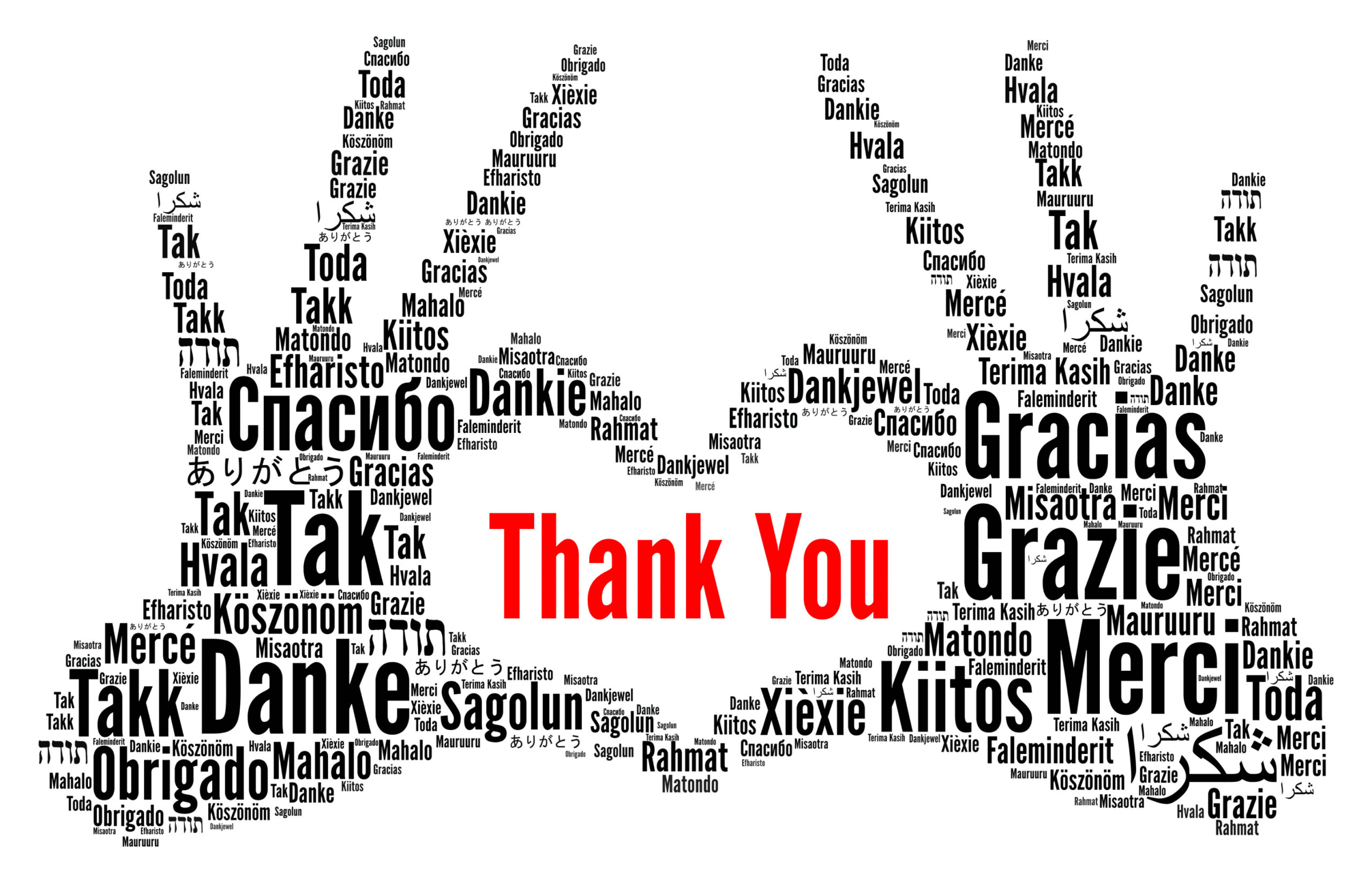
There was a time when a simple “thank you” would suffice as a social lubricant, smoothing interactions and fostering goodwill between strangers. But now, how often do we receive thanks, and how often do we give it? It’s easy to feel overlooked, even invisible, when the people around us—whether in line at a store, in the office, or even in our own homes—seem to take our efforts for granted. A simple act of acknowledgment, a simple “thank you,” goes a long way in making people feel valued. It’s a recognition that their time, their effort, their kindness matter.
But it’s not just about how we interact with others. It’s about the broader cultural shift we’re seeing—the decline in social interactions that center on shared respect. Social media, while a powerful tool for connection, has also created an environment where empathy is often a secondary consideration. Online, we can fire off a quick response without thinking of the person on the other end. We can scroll past someone’s post, passively acknowledging it with a “like,” but how often do we stop to engage in a meaningful way?
This lack of acknowledgment isn’t just about politeness—it’s a deeper issue that reflects how we interact with each other as a society. When we stop acknowledging others with simple acts of respect, we start to erode the very fabric of our social connection. Without these small but important gestures, we become islands, disconnected from one another. The lack of respect we experience in these everyday moments can start to accumulate, leaving us feeling disconnected, unimportant, and, at times, downright frustrated.
In fact, research shows that showing appreciation can have profound effects on mental health and well-being. A simple “thank you” can strengthen relationships, improve social cohesion, and even reduce stress. It’s a universal gesture that transcends cultures and languages, yet we seem to be forgetting its importance. For some, the absence of simple appreciation may seem like a trivial matter, but in reality, it can have a lasting impact on how people feel about themselves and their place in the world.
Respect, in its simplest form, is recognizing that others matter. It’s acknowledging someone’s presence and their efforts, no matter how small. It’s not just about being polite—it’s about fostering an environment where people feel valued and seen. When we make the effort to thank someone, to look them in the eye and acknowledge their contribution, we are saying: “You matter.” And when we practice this on a daily basis, we contribute to a more compassionate society. In a world that’s increasingly driven by technology, it’s easy to forget the importance of personal touch and human connection. But these small acts of respect can bridge divides and create a more cohesive and kind world.
What struck me about the woman and her daughter at the ATM was not just the lack of acknowledgment toward me but the larger implication it had for the child. As a parent, you are setting an example for your child in every moment—whether you realize it or not. By failing to say “thank you,” the woman was silently teaching her daughter that it’s acceptable to ignore others and forgo even the smallest act of courtesy. Children learn by watching the adults around them, and when those adults fail to show respect, it sends a message that kindness and acknowledgment are optional. But it doesn’t have to be that way.
Parents have the incredible responsibility and opportunity to shape the next generation’s approach to respect and kindness. Teaching children the importance of saying “thank you” is more than just about good manners. It’s about instilling in them the understanding that the world is a better place when we recognize each other’s humanity. In a world that often feels divided, teaching respect and gratitude at home could be the first step toward creating a more united and compassionate society.
The next time someone does something for you, whether it’s holding a door, helping you carry something, or even offering a kind word, take a moment to say “thank you.” It costs nothing, but it can make all the difference in someone’s day. The art of saying thank you may seem like a small thing, but it’s a practice that can shift the tone of our interactions and remind us all of the power of respect. It’s a habit that can transform our personal relationships and, in turn, influence the larger culture around us. And who knows? That simple, polite gesture may even inspire someone else to do the same.
After all, as simple as it may be, respect is the thread that keeps us all connected—and when we forget that, we risk losing more than just good manners. We lose our humanity. When we make the effort to respect others, we’re not just improving our social lives—we’re improving the very fabric of society. By keeping respect at the forefront of our minds and in our actions, we can start to rebuild a culture where kindness, decency, and acknowledgment are not the exceptions but the rule.
RECENT

Creating a Cozy Home That Supports Your Well-Being
Health & Wellness

Creating a Cozy Home That Supports Your Well-Being
Health & Wellness

5 Easy Ways to Prepare for the Next Season Before It Takes Over
Health & Wellness

Your 40s Aren’t Just About Hormones — They’re About Your Heart
Uncategorized

Wellness Benefits of Pumpkin Season
Health & Wellness
Fall Into Wellness: Creating a Healthier Autumn Routine
Health & Wellness

How to Prepare for Holiday Stress Before It Takes Over
Fitness
🇺🇸 Why the Liberty Bell Doesn’t Actually Ring Anymore
Did You Know?

A Rock Star’s Road to Redemption
Entertainment
New York Community Replaces Defaced Declaration Replica
America
BE THE FIRST TO KNOW
Want to stay in the loop? Be the first to know! Sign up for our newsletter and get the latest stories, updates, and insider news delivered straight to your inbox.

More Content By
Jessica Curtis
When Life Steals Your Song
Kindness
Fast Lane, Short Fuse
Living Civics
Honey, I Shrunk the Frogs
Animals

A Small-Town Rescue With Four Paws and a Lesson
Mans Best Friend

When Little Ears Learn Big Words
Living Civics

The Endless Loyalty and Love of a Dog
Mans Best Friend

When the Calendar Changes, Character Counts
Opinion

Appreciating the Little Moments That Make Life Beautiful
Living Civics
Remember This: The Day America’s Original 13 Became One
Opinion

Memorial Day Is Not Just a Long Weekend
America
View All Content By Jessica Curtis