
Adobe Stock/olly/stock.adobe.com

A Nation at a Crossroads
America’s democracy rests on the belief that every voice should be heard, disagreements can be aired without fear, and compromise—even when imperfect—can move the nation forward. Yet today, many Americans feel the country has never been more divided. From bitter partisanship in Washington to tragic acts of violence across the country, the call for respectful debate has never been louder.
Sobering Headlines of Division
Recent headlines show how far division can spiral. On September 10, conservative activist Charlie Kirk was assassinated during a college event in Utah, shocking political communities across the nation. Just months earlier, former Minnesota House Speaker Melissa Hortman and her husband were killed in their home. School shootings in Colorado and Minnesota added to the sense of unease, leaving families to grieve young lives lost to senseless violence.
Democracy’s Fragile Foundation
These tragedies reveal a troubling reality: hostility and anger are seeping deeper into American life. When citizens stop seeing political opponents as neighbors with different views and instead as enemies to silence, the very foundation of democracy begins to crack.
Debate as the Lifeblood of Government
Calls for civility and patience carry renewed urgency. Leaders across the political spectrum emphasize that debate is the lifeblood of representative government. Every session brings vigorous discussion—bills are introduced, amended, passed, or defeated. To some, the process looks like winning or losing. At its core, though, it ensures that citizens’ voices are heard, even when they conflict.
The Strength of Healthy Disagreement
Democracy does not thrive on unanimity but on the willingness to engage in discussion, learn from opposing views, and accept that progress often comes incrementally. Healthy debate tests ideas, refines them, and creates policies that reflect not just one side but a collective attempt to serve the common good.
The Dangers of Hardened Hatred
When disagreements harden into hatred, the consequences are real. Political violence against individuals or institutions erodes trust and weakens faith in the system. It also drives ordinary citizens away from public life, leaving the stage to only the loudest and angriest voices.
Respect, Patience, and Compromise
Restoring civility does not mean ignoring differences. Americans will always disagree on policy, values, and priorities. Yet disagreement can remain constructive if tempered with respect. It can produce stronger communities and better ideas. Leaders often remind us that it is possible to compromise, to postpone unresolved issues, or simply to “agree to disagree” without turning opponents into enemies.
Finding Hope in Local Engagement
Patience may be the most needed virtue right now—patience to listen, to wait for solutions, and to see opponents as fellow citizens rather than adversaries. That patience, combined with respect, can help the nation find a more stable and hopeful path.
Citizens can start close to home. Joining local discussions, contacting representatives, and participating in civic life strengthen democracy. By choosing respectful dialogue over division, Americans set an example that pushes back against the polarization dominating national headlines.
Moving Forward Together
Division does not have to be the new normal. Healthy debate—rooted in the recognition that every voice matters—remains one of the strongest tools for healing and progress. At a time when violence and hostility have already taken too much, civil discourse may be the nation’s best path forward together.
RECENT
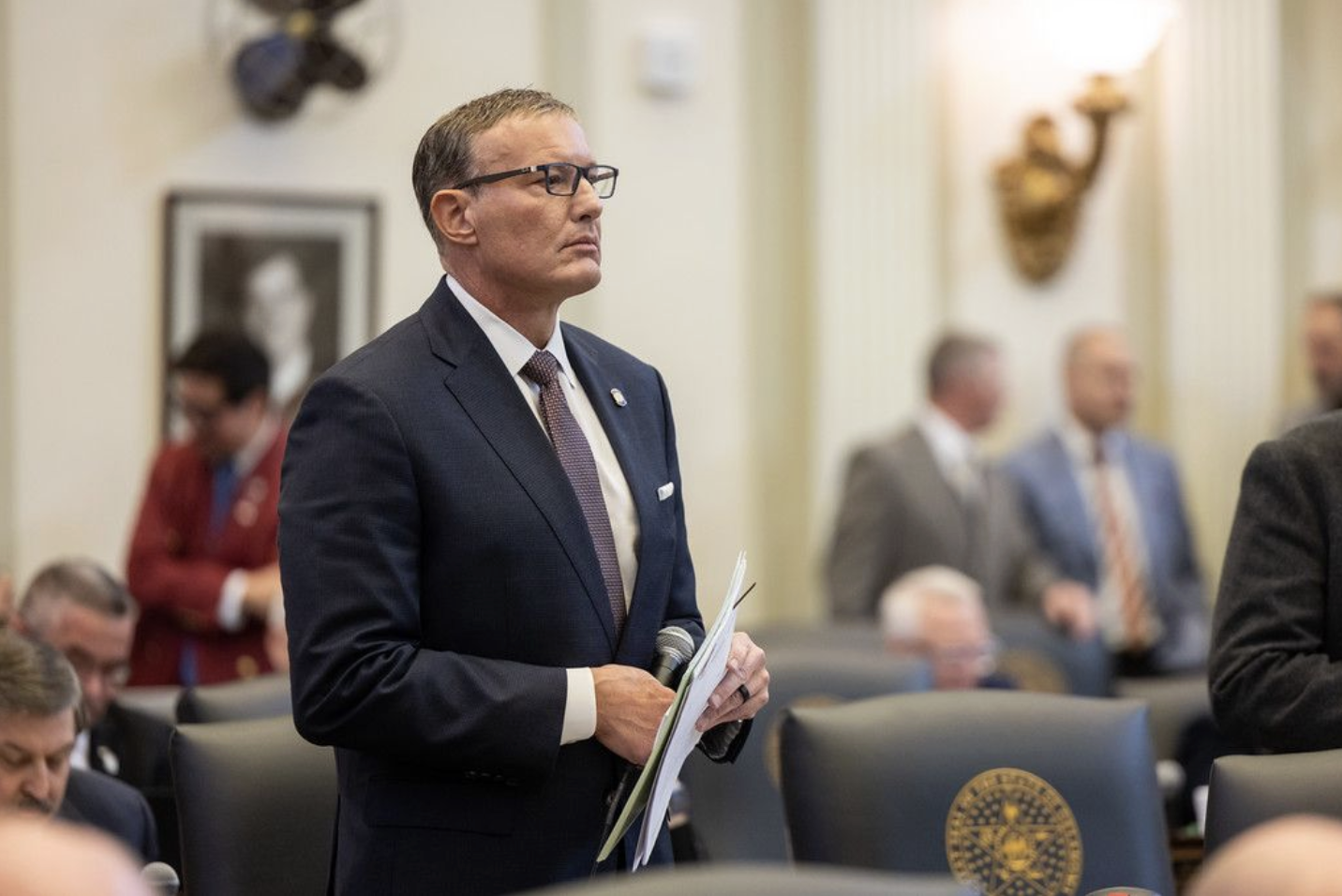
Oklahoma School Safety Bill Moves Forward
Education

Grace Kelly: Irish Roots Behind an American Icon
Legends of the American Spirit

Strength Beyond Sight in Texas
In The States

You Might Be Speaking Irish Without Knowing It
Did You Know?

Country Legends Hit 40-Year Mark
Entertainment

Kentucky Targets Classroom Violence
Education

Spring Into the Weekend
Dating

The Truth About Fitness: It’s No Longer a Choice
Friday Fuel

Wisconsin Expands Emergency Testing
First Responders
Progress Over Perfection
Health & Wellness
BE THE FIRST TO KNOW
Want to stay in the loop? Be the first to know! Sign up for our newsletter and get the latest stories, updates, and insider news delivered straight to your inbox.

More Content By
Jessica Curtis
Kindness in the Crossroads
Living Civics

The Power of a Simple Hello
Living Civics

A Simple Rule for a Better Society
Living Civics

A Little More Sparkle, A Lot More Grace
Kindness

More Than Gold: The Olympics and a Brief Return to Shared Pride
Living Civics

Why Being Nice Still Matters at the Checkout Line
Living Civics

When a Dog’s Nose Saves Lives
Animals

A Tale of Two Halftime Shows
Living Civics

A Snowy Detour to Where the Music Died
History

In a Loud Culture, You’re Allowed to Stay Quiet
Living Civics
View All Content By Jessica Curtis