
May 19
Living Civics
Why Keeping Your Mouth Shut Might Be the Kindest Thing You Do All Week
Adobe Stock/MarekPhotoDesign.com/stock.adobe.com
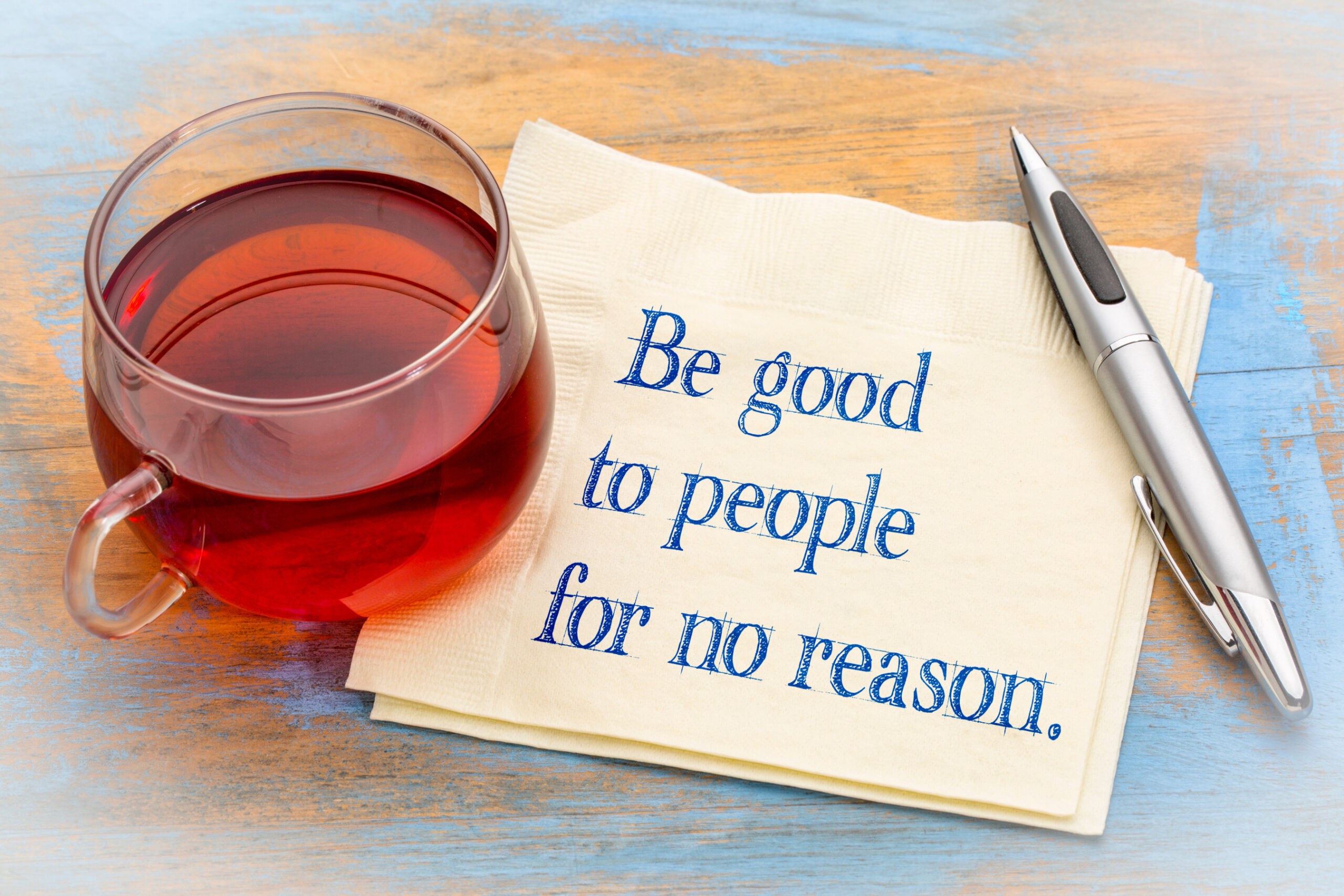
There’s a difference between hearing someone and truly listening to them. And in today’s world—where everyone has an opinion, a podcast, a thread, or a tip to share—that difference matters more than ever.
We’re surrounded by noise. Social media encourages us to comment, reply, retweet, react. We’re prompted to jump in and share our take, our advice, our solution—whether it’s wanted or not. Somewhere along the way, we began to confuse connection with commentary.
But one of the most powerful, overlooked civic virtues is learning when not to speak.
This week in Living Civics, we’re focusing on the simple but transformative concept of avoiding unsolicited advice. Not because your ideas aren’t valuable. Not because your experience isn’t worth sharing. But because real kindness and respect begin with letting people feel heard before being told what to do.
Why We Give Unsolicited Advice
Let’s be honest: giving advice feels good. It makes us feel helpful, wise, even needed. When someone opens up to us—especially someone we care about—our instinct is to leap into action. We want to fix the problem, offer a better way, share what worked for us. It’s human nature.
But here’s the catch: just because someone shares a struggle doesn’t mean they’re asking for a solution. Sometimes, they just need a witness. A safe space to process. A person who will sit in the discomfort with them, not rush to tidy it up.
Studies show that more than 60% of people prefer to solve problems on their own unless they explicitly ask for input. When advice is given without that invitation, it often feels like criticism—however gently it’s phrased. It can imply that the other person isn’t capable of figuring it out for themselves, or that their way of thinking is somehow flawed.
At best, it’s unhelpful. At worst, it can damage trust.
Listening as a Civic Duty
In our fast-paced, hyper-connected culture, we’ve forgotten how powerful listening can be—not just in our personal relationships, but as a social responsibility.
Listening builds trust. It creates space for understanding. It slows down conflict. It reminds us that other people’s experiences, perspectives, and needs are just as valid as our own.
This is civics in action—not the kind you read in textbooks, but the kind that shapes everyday communities. Families. Workplaces. Schools. Town halls. Friendships. Every time we choose to really listen instead of jumping in with advice, we help build a more respectful, compassionate culture.
And isn’t that what living civics is all about?
The Unintended Consequences of Advice-Giving
Most unsolicited advice is given with the best of intentions. But intention doesn’t always equal impact.
Imagine confiding in a friend about a rough day at work. Instead of offering empathy, they immediately launch into how you should’ve handled the meeting differently or what they would’ve done instead. Even if they’re not wrong, it feels like they weren’t really listening. It feels like you’re being analyzed instead of supported.
Now flip the script. Imagine that same friend saying, “That sounds really frustrating. Want to talk more about what happened?” Suddenly, the focus is back where it belongs—on you, your feelings, and what you need.
Sometimes, what people need most isn’t a fix. It’s just to know they’re not alone.
When Advice is Welcome—and When It’s Not
Of course, there are times when advice is needed. There are moments when someone will say, “What would you do?” or “I need help figuring this out.” In those cases, advice becomes a gift—because it was asked for. It’s a form of generosity rooted in respect and mutual understanding.
But when it’s unsolicited, it can interrupt emotional processing, erode confidence, or signal a lack of trust. It can also shift the dynamic of a conversation from mutual exchange to teacher-student or fixer-fixered—one person positioned as superior, the other as lacking.
The key isn’t to stop helping altogether. It’s to wait. To observe. To ask:
- “Do you want my thoughts or just someone to listen?”
- “Would it help to talk through some options?”
- “Are you looking for feedback or just needing to vent?”
Those few seconds of pause can change everything.
Making Space for Growth
Avoiding unsolicited advice doesn’t mean you care any less. On the contrary, it means you care enough to offer respect, not control. It means you believe the other person is capable of navigating their own challenges—and you’re there to walk alongside them, not steer the ship.
And often, when people are given that space to be heard and supported without judgment, they do find clarity. They might even ask for your help—on their terms. That’s when advice can land, resonate, and make a difference.
But it begins with the choice to stay quiet a little longer. To listen a little deeper.
Practicing the Pause
So how do we start?
- The next time you feel the urge to jump in with a suggestion, take a breath.
- Ask yourself: Am I offering this to be helpful—or to be right?
- Remember: silence doesn’t mean disengagement. It often means respect.
Practicing the pause is a form of self-discipline. It requires patience, empathy, and a commitment to mutual respect. It asks you to value connection over correction.
And that’s the heart of this week’s lesson: small choices, made consistently, shape the character of our relationships and our communities.
A Better Way Forward
This isn’t about walking on eggshells or silencing yourself. It’s about learning the difference between being present and being prescriptive. Between truly seeing someone and trying to fix them.
In the end, unsolicited advice is a habit—a well-meaning one, but a habit nonetheless. And like all habits, it can be changed.
By practicing thoughtful listening, asking permission before offering input, and respecting others’ autonomy, we take a powerful step toward reclaiming civility—not just in our homes, but in the broader culture.
Because being a good person isn’t about saying the right thing. Sometimes, it’s about saying nothing at all.
RECENT

Kentucky Senate Leader Pushes Back on Veto
Education

The History of St. Patrick’s Day Begins with One Man
Did You Know?

Green Rivers and Weekend Celebrations ☘️
Dating

The Overlooked Fitness Habit That Can Transform Your Spring
Friday Fuel

NC Leaders Form Education Commission
Education
Declutter Your Mind This Spring
Health & Wellness

Macedo Uncovers 200 Hospice Agencies at One Address
Fraud

Kansas Lawmakers Advance School Cell Phone Crackdown
Education

Indiana Targets Social Media Addiction Among Kids
Education

Grab Your Wife, Ralph Kramden — It’s Race Time
Bless Your Headlines
BE THE FIRST TO KNOW
Want to stay in the loop? Be the first to know! Sign up for our newsletter and get the latest stories, updates, and insider news delivered straight to your inbox.

More Content By
Jessica Curtis
A Simple Rule for a Better Society
Living Civics

A Little More Sparkle, A Lot More Grace
Kindness

More Than Gold: The Olympics and a Brief Return to Shared Pride
Living Civics

Why Being Nice Still Matters at the Checkout Line
Living Civics

When a Dog’s Nose Saves Lives
Animals

A Tale of Two Halftime Shows
Living Civics

A Snowy Detour to Where the Music Died
History

In a Loud Culture, You’re Allowed to Stay Quiet
Living Civics

This Weekend’s Worth Leaving the House
Uncategorized

When Storms Hit, Community Matters
Kindness
View All Content By Jessica Curtis