Aug 12
Homelessness
Trump’s DC Crackdown: A Necessary Reset in the Face of Rising Disorder
Adobe Stock/VideoFlow/stock.adobe.com
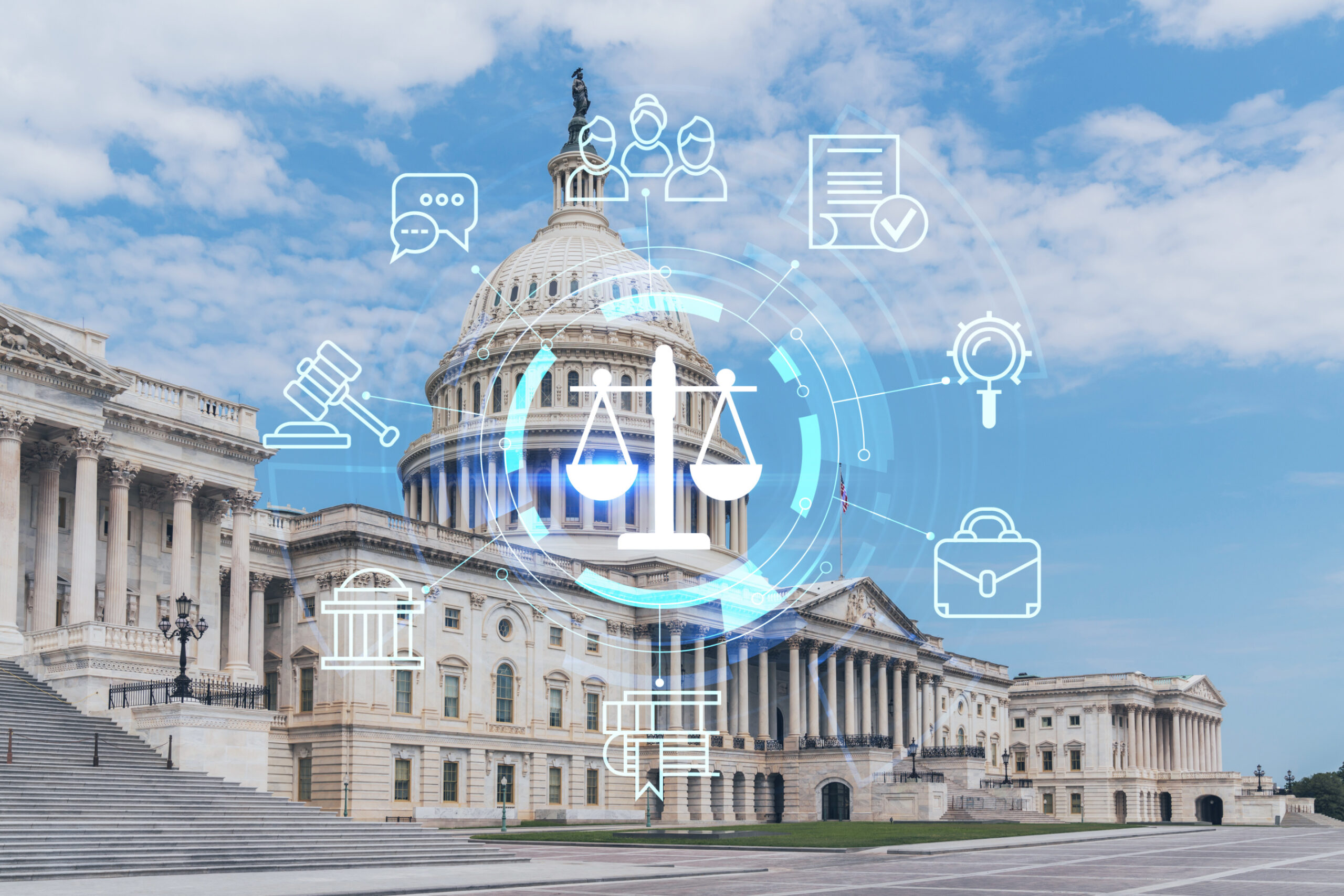
I spent decades in law enforcement, from walking a beat in my early days to managing operations that required balancing community trust with firm enforcement. One thing I learned early—and never forgot—is that public safety is the foundation of everything else in civic life. Without it, businesses close, neighborhoods decline, and people start looking over their shoulders instead of toward the future.
Here’s what we know for certain. On August 11, 2025, President Trump announced he was invoking Section 740 of the Home Rule Act to place the Metropolitan Police Department under federal control for up to 30 days. He also ordered the deployment of the National Guard to Washington, D.C., alongside federal agencies such as the FBI and U.S. Park Police. The stated goal: address what he called a “violent crime crisis” and remove homeless encampments from public spaces.
Data from the Metropolitan Police Department tells a different story than the president’s rhetoric. Violent crime in D.C. has declined since its peak in 2023 and is currently at a multi-decade low—down roughly 26% overall compared to last year, with homicides down around 12%. Still, there have been notable high-profile incidents in recent months, including attacks on public officials and tourists, as well as visible homeless encampments in high-traffic areas. These incidents have been widely covered in the media and have shaped public perception.
This is where interpretation comes in. From my years in uniform, I can tell you that public safety is as much about perception as it is about numbers. If residents and visitors feel unsafe—whether or not the data says otherwise—the city has a problem. Washington, D.C., is not just a local jurisdiction; it’s the nation’s capital, and its condition reflects on the entire country.
Critics have focused on the unprecedented nature of federalizing the D.C. police force. They argue it’s an overreach of presidential power. That’s a fair concern—no president has used this authority since the Home Rule Act was passed in 1973. But the law does provide this option in emergencies, and the president is within his legal right to use it. The question is not whether it can be done—it’s whether it should be.
From an operational perspective, a National Guard deployment can be effective when done with discipline and clear objectives. The Guard brings manpower, equipment, and specialized units that can help local police stabilize trouble spots and deter criminal activity. But this should be a support role, not a replacement for community-based policing.
What the president says and what the data shows are two different things. His references to “young punks,” “drugged out maniacs,” and “violent gangs” are attention-grabbing, but they oversimplify complex social issues. Crime is often driven by factors such as addiction, mental illness, and economic instability. In my experience, enforcement alone won’t solve those problems. It can restore order in the short term, but lasting safety requires investment in housing, rehabilitation, and mental health services.
Some will call this a political stunt. Others will see it as decisive leadership. My view is that the outcome matters more than the motive. If this action results in residents feeling safer, public spaces being restored, and serious offenders being prosecuted, it will be judged as a success. But if it becomes a long-term federal occupation or a media talking point without follow-through, the public will see through it quickly.
In law enforcement, safety isn’t something you notice when it’s there—it’s something you notice when it’s gone. Right now, Washington has an opportunity to reset the public’s sense of safety and order. Whether this approach works will depend on execution, cooperation between federal and local agencies, and a commitment to hand control back to the city as soon as conditions stabilize.
The president has made his move. Now we’ll see if it was a turning point—or just another headline in a city that has seen plenty of them.
Jim Callahan is a guest contributor who writes on crime, public safety, and the policies that shape secure and thriving communities.
RECENT

The Surprisingly Helpful Holidays of April 14
Holidays

Felzkowski Protects Victims
Finance
Kelly Lang Debuts “HollyWould”
Entertainment
Tennessee Protects Police Privacy
In Service
A Century of Appalachian Music Lives On
Entertainment
America’s Other Midnight Rider
Legends of the American Spirit
Michigan Speaker Pushes Drug Crackdown
In The States
Arizona Tightens Sex Offender Rules
In The States

It’s Never Too Late
Did You Know?
Meet Taylor Mieszkuc: A Rising Voice with “Matches”
Entertainment
BE THE FIRST TO KNOW
Want to stay in the loop? Be the first to know! Sign up for our newsletter and get the latest stories, updates, and insider news delivered straight to your inbox.

More Content By
Think American News StaffFelzkowski Protects Victims
Finance
Kelly Lang Debuts “HollyWould”
Entertainment
Tennessee Protects Police Privacy
In Service
A Century of Appalachian Music Lives On
Entertainment
America’s Other Midnight Rider
Legends of the American Spirit
Michigan Speaker Pushes Drug Crackdown
In The States
Arizona Tightens Sex Offender Rules
In The States
It’s Never Too Late
Did You Know?

Kentucky Acts on School Violence
Education
Where America Is Headed This Weekend
Happiness
View All Content By Think American News Staff