Jul 10
Golden Years
More Than a Pet: The Case for Companionship as a Prescription for Healthy Aging
Adobe Stock/Sandra/stock.adobe.com
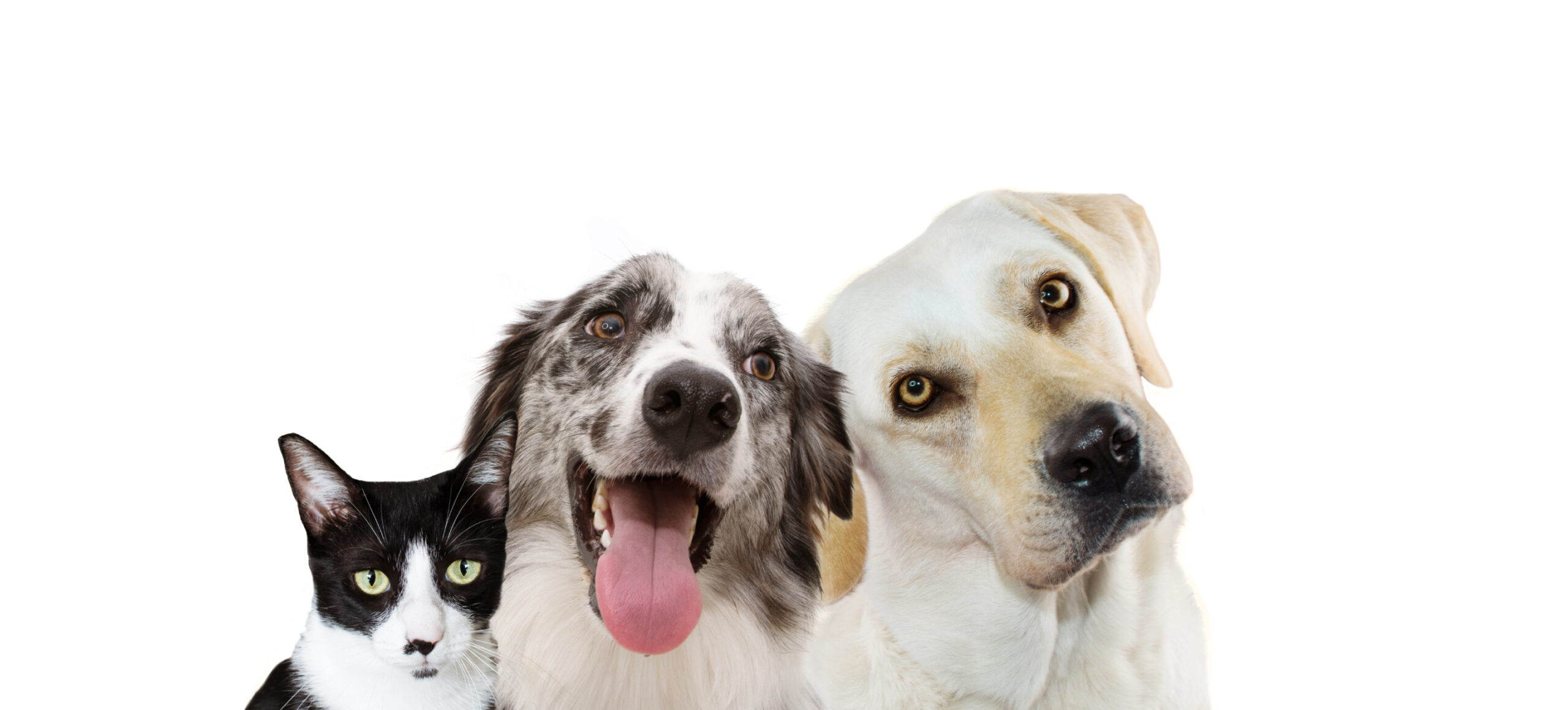
If you’ve ever found yourself in a full-blown philosophical debate with your dog, or tried reasoning with a cat who’s clearly plotting your demise, congratulations—you might be slowing your cognitive decline.
That’s not sarcasm. That’s science.
According to a newly published study out of the University of Geneva, owning a dog or cat is associated with slower cognitive decline in adults over 50. Researchers tracked brain function over 18 years and found that dog owners retained sharper memory (both immediate and delayed), while cat owners showed a slower decline in verbal fluency. In other words, the “who’s a good boy?” conversations might actually be keeping you sharp. And the daily verbal gymnastics involved in coaxing a grumpy cat off your keyboard? That counts too.
But fish and birds—despite their charm and relatively low maintenance—didn’t show the same benefit. Apparently, staring at your goldfish while wondering if he judges your life choices isn’t quite as mentally enriching as walking a dog or interpreting feline side-eye.
This research is more than just a feel-good footnote. It adds to a growing body of evidence that how we age isn’t just a matter of genetics or what we’re prescribed in a doctor’s office. It’s about the lives we build, the routines we choose, and, apparently, the creatures we share them with.
And if you think this is just another “pets are good for you” fluff piece, think again.
The implications are serious—because the stakes are. We’re staring down the barrel of a demographic time bomb. The population is aging, dementia rates are climbing, and healthcare systems across the globe, including our own, are stretched thin. The solutions we need aren’t just clinical. They have to be cultural. They have to be livable. And ideally, they should be things people want to do—like sharing life with a loyal dog or a demanding cat.
Think about it. We’re told to exercise, to eat kale, to meditate, to sleep more, to socialize, to avoid screens, and to keep our brains engaged. Now imagine a furry, four-legged wellness coach that nags you into daily walks, demands regular affection, and stares at you with judgmental eyes if you slack off. Dogs, especially, build structure into their owners’ days. They get people outside, promote physical activity, and often spark conversations with strangers—yes, even the dreaded small talk at the dog park. That’s called social stimulation. It matters.
Cats, for their part, are masters of emotional manipulation and psychological puzzles. Trying to figure out what they want (only to be immediately wrong) might be one of the greatest mental workouts available without a gym membership. Verbal fluency? You bet. Talk to any cat owner and you’ll find someone who narrates entire conversations with their pet and gets nothing but slow blinks in return.
The point is, real relationships—yes, even the ones that involve fur and kibble—seem to be protective. They engage the brain. They spark emotional responses. They demand attention and adaptation. Those are the building blocks of cognitive resilience.
I’m not just reporting this as an observer—I’m living it as the very lucky human to three wildly different and wonderful dogs: Gus, Finn, and Chester. Gus is a bolt of lightning wrapped in fur, full of energy and ready for whatever adventure the day brings. Finn is the tender one—sweet, soulful, and always tuned into how everyone’s feeling. And then there’s Chester, our old, feisty junkyard dog, equal parts stubborn and loyal, who’s earned every gray whisker and doesn’t let anyone forget it. Together, they keep my husband and me grounded, entertained, and constantly moving—both physically and mentally.
They get us outside when we’d rather stay in. They remind us to laugh, to slow down, and to enjoy the simple things. And without fail, they pull us out of our heads and into the world.
Of course, not everyone can or should adopt a pet. Allergies, housing restrictions, mobility challenges, finances—these are real barriers. But for those who can? This study is a reminder that preventive healthcare doesn’t always come in a bottle. Sometimes it comes with a wagging tail and muddy paws. Sometimes it curls up in a sunny window and watches you with silent judgment as cats do.
You can call it sentimental. I call it smart.
We talk a lot about dignity in aging, about independence and purpose and connection. Pets offer all of that in spades. They’re nonjudgmental. They don’t care about wrinkles or retirement. They care that you show up, every day, and feed them and love them and throw the ball one more time. That kind of presence and routine is powerful.
As we continue to reimagine what healthy aging looks like, let’s broaden our lens. Let’s think beyond pills and procedures and sterile advice. Let’s think about what makes life worth living—and what helps us hold on to the mental sharpness we need to enjoy it.
Maybe the answer isn’t only in the lab. Maybe it’s sleeping at our feet.
Or barking at the Amazon driver. Again.
Or giving us side-eye from the front seat when we take too long to run errands.
Either way, I’ll take that prescription—with a side of paw prints.
RECENT

Kelly Lang Debuts “HollyWould”
Entertainment

Tennessee Protects Police Privacy
In Service

A Century of Appalachian Music Lives On
Entertainment

America’s Other Midnight Rider
Legends of the American Spirit

Michigan Speaker Pushes Drug Crackdown
In The States

Arizona Tightens Sex Offender Rules
In The States

It’s Never Too Late
Did You Know?

Meet Taylor Mieszkuc: A Rising Voice with “Matches”
Entertainment

Kentucky Acts on School Violence
Education
Breathe Your Way Back to Control
Friday Fuel
BE THE FIRST TO KNOW
Want to stay in the loop? Be the first to know! Sign up for our newsletter and get the latest stories, updates, and insider news delivered straight to your inbox.

More Content By
Jessica Curtis
When Did Common Courtesy Become Optional?
Living Civics
Meet Taylor Mieszkuc: A Rising Voice with “Matches”
Entertainment

Four Astronauts, One Perspective: A Lesson for Earth
Kindness

Built to Last
Marriage

Kindness in the Crossroads
Living Civics

The Power of a Simple Hello
Living Civics

A Simple Rule for a Better Society
Living Civics

A Little More Sparkle, A Lot More Grace
Kindness
More Than Gold: The Olympics and a Brief Return to Shared Pride
Living Civics

Why Being Nice Still Matters at the Checkout Line
Living Civics
View All Content By Jessica Curtis