Jul 17
Kindness
If We Can’t Be Kind to the Most Loyal, What Hope Do We Have for Each Other?
Adobe Stock/Happy monkey/stock.adobe.com
One morning back in May, employees at an Omaha accounting firm made a horrifying discovery: a small dog, bound in duct tape, discarded in a dumpster behind their building.
At first, they believed the sounds coming from the container were from a trapped raccoon. But when they opened the lid, they were met with a shocking and heartbreaking sight—a helpless dog whose head, legs, and muzzle were completely wrapped in tape.
His eyes were sealed shut. His front and back paws were bound, immobilizing him. The animal had been silenced, blinded, and dumped like trash.
It’s the kind of story that sticks with you. Not just because of the cruelty—but because of who it happened to. A dog. A creature that exists to love, to trust, to follow us from room to room expecting nothing but kindness in return. That someone could look into that kind of innocence and respond with violence—it’s not just disturbing. It’s revealing.
We like to think of ourselves as a decent society. We say the right things: that kindness matters, that everyone has worth, that we should be a little more empathetic. But those ideals don’t mean much if they stop where it’s inconvenient. If we can’t protect the voiceless, how can we claim to care about justice at all?
I was raised to believe that no one is beneath me. Not the janitor. Not the garbage man. Not the person with no money or no home. My parents made sure I understood: the value of a human life isn’t measured by wealth, status, or job title. And the moment we start ranking people—or animals—by how useful or comfortable they make us feel, we’ve lost the plot entirely.
Because here’s the hard truth: cruelty doesn’t limit itself to animals. The same mindset that allows someone to tape a dog’s face shut is the same one that lets people walk past a homeless veteran, ignore a child in foster care, or ridicule someone with a disability. It’s the mindset that views suffering as someone else’s problem. That sees weakness as disposable.
And that’s where this story becomes bigger than one dog in Omaha. It’s about how we treat anyone who has no voice, no power, no platform. It’s about what kind of society we’re choosing to be.
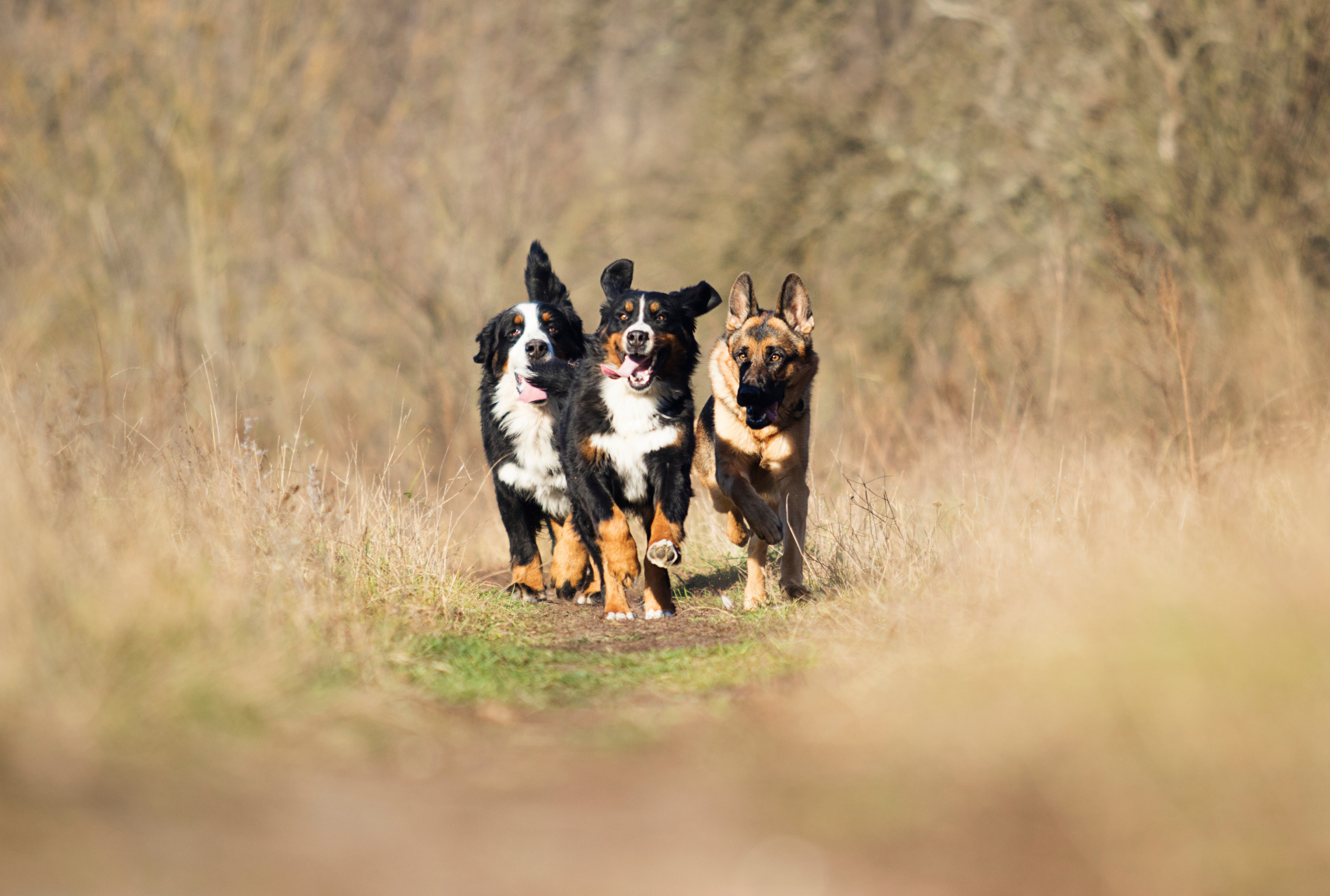
Dogs don’t ask for much. A walk. A meal. A warm spot on the couch. They don’t care if we’re rich or successful. They don’t care if we’re having a bad hair day or made a mistake at work. They love unconditionally, forgive constantly, and trust completely—even when we don’t deserve it. That’s what makes cruelty toward them so incomprehensible—and so chilling.
Psychologists have long drawn the line between animal cruelty and violence toward humans. It’s not a coincidence. When someone is capable of torturing a dog, it often means they’ve learned how to turn off empathy entirely. That’s not just dangerous—it’s contagious. Because cruelty tolerated is cruelty repeated.
But even if this never escalated beyond the animal in that dumpster, it should still stir something deep in us. Something that says: we are better than this.
That little dog survived. He was rescued. Treated. Given a second chance. But how many others don’t get one? How many are left suffering behind closed doors, in alleys, in silence?
We need stronger laws. Real enforcement. And real consequences. But even more than that, we need a culture shift—one that praises kindness as a strength, not a slogan. We need to teach our children that it’s not about how someone looks or what they own. It’s about how we treat them when no one’s watching.
If we can be gentle with a trembling dog, we can be gentler with each other. If we can care for the voiceless, we can do better by the people society tries to overlook. The ones bagging our groceries. Cleaning hospital rooms. Serving time. Struggling in silence.
Because in the end, decency isn’t measured by how we treat the powerful. It’s measured by how we treat the powerless. And animals—especially dogs—are our clearest reminder that loyalty and love often come from the places we least expect.
If we can’t be kind to them, what hope do we have of being kind to one another?
RECENT

Arizona Tightens Sex Offender Rules
In The States

It’s Never Too Late
Did You Know?

Meet Taylor Mieszkuc: A Rising Voice with “Matches”
Entertainment

Kentucky Acts on School Violence
Education

Breathe Your Way Back to Control
Friday Fuel

Where America Is Headed This Weekend
Happiness

Pennsylvania Veterans Expo Honors America 250
In The States

Small Habits, Big Calm
Health & Wellness
Texas Seeks Veteran Stories
In Service

Ray Stevens Recovering After Fall
Entertainment
BE THE FIRST TO KNOW
Want to stay in the loop? Be the first to know! Sign up for our newsletter and get the latest stories, updates, and insider news delivered straight to your inbox.

More Content By
Jessica CurtisMeet Taylor Mieszkuc: A Rising Voice with “Matches”
Entertainment

Four Astronauts, One Perspective: A Lesson for Earth
Kindness

Built to Last
Marriage

Kindness in the Crossroads
Living Civics

The Power of a Simple Hello
Living Civics
A Simple Rule for a Better Society
Living Civics

A Little More Sparkle, A Lot More Grace
Kindness
More Than Gold: The Olympics and a Brief Return to Shared Pride
Living Civics

Why Being Nice Still Matters at the Checkout Line
Living Civics
When a Dog’s Nose Saves Lives
Animals
View All Content By Jessica Curtis