
Adobe Stock/sebra
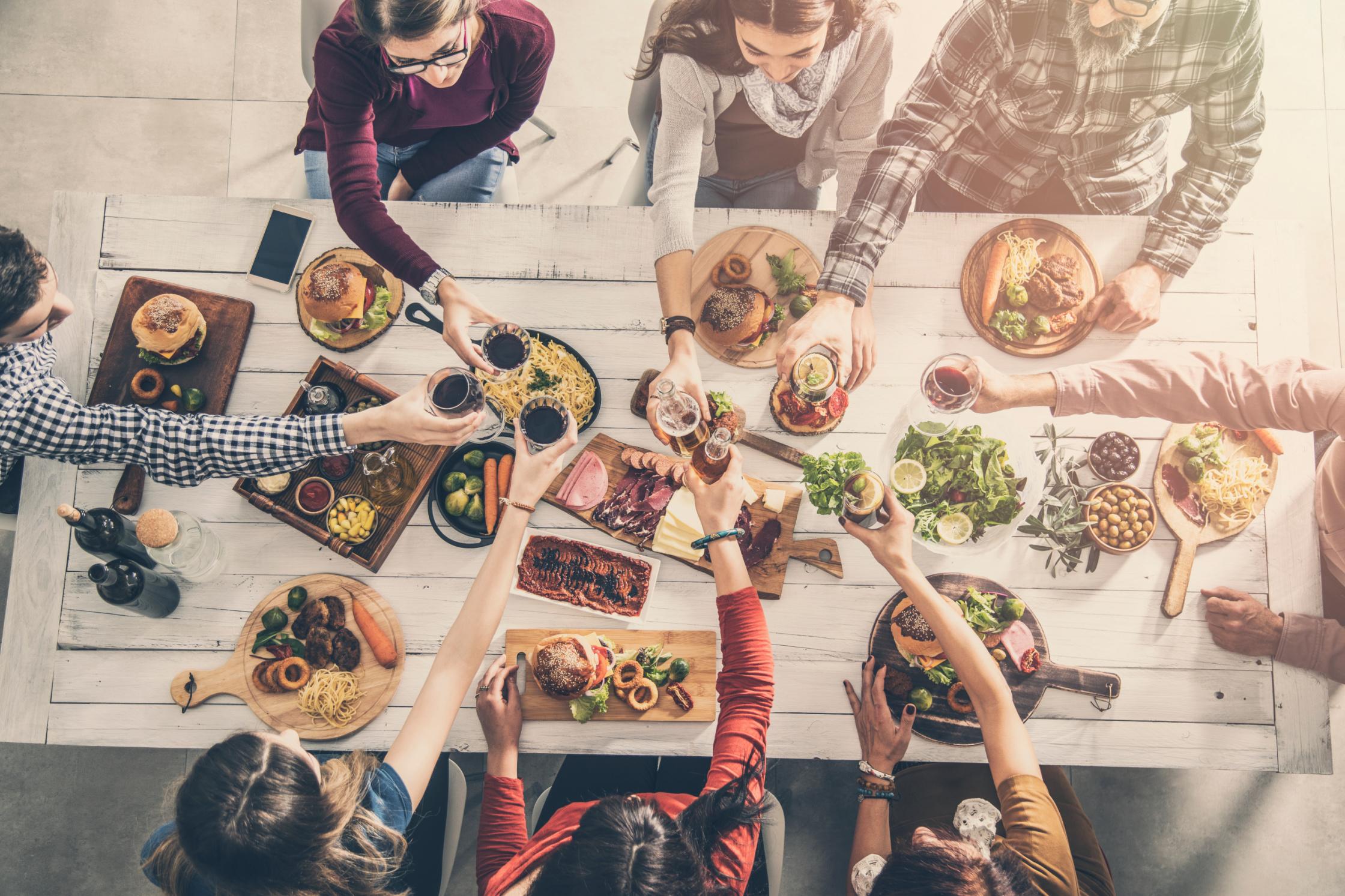
There are not many places left where strangers willingly sit elbow-to-elbow, pass plates back and forth, and strike up real conversations without staring at a screen.
And yet, in McComb, Mississippi, that is exactly what’s happening—one giant lazy Susan at a time.
At The Dinner Bell, lunch doesn’t come with assigned seats, curated vibes, or the comfort of staying safely within your own social bubble. Instead, it comes steaming hot, set in the middle of a massive circular table, rotating slowly as hands reach in from every direction.
You don’t choose who you sit next to.
You don’t control the conversation.
And that’s kind of the magic.
When the Table Is Bigger Than Your Comfort Zone
The Dinner Bell has just four tables, each seating more than 15 people. That alone feels radical in an era of two-tops and private booths designed to keep us politely isolated.
Here, the table is the experience.
Owner Andre Davis has watched it happen again and again: strangers arrive cautious and quiet, then leave laughing, trading phone numbers, and promising to come back. Europeans on holiday share a meal with Mississippi locals. Church groups break bread beside water treatment workers. Once, even British actor Hugh Bonneville took a seat.
The only thing everyone has in common is the table—and that turns out to be more than enough.
Bless our modern hearts, we’ve forgotten how powerful that can be.
The Lost Art of Eating Together
Somewhere between drive-thrus and delivery apps, we lost something essential.
Meals used to be communal. Family-style wasn’t a novelty—it was how people ate. Food was passed. Stories followed. No one worried about personal space because connection mattered more.
At The Dinner Bell, the giant lazy Susan forces that rhythm back into place. Platters rotate. Plates fill. Conversations start whether you planned on having them or not.
And something remarkable happens when people share food: defenses lower.
It’s hard to stay guarded when someone is handing you fried eggplant.
Strangers, Turns Out, Aren’t the Problem
One regular customer, Wayne Dyson, says he’s met doctors, lawyers, and teachers sitting at the same table.
“And find out that most people are all good people,” he says.
That sentence shouldn’t feel revolutionary—but somehow, it does.
We live in a moment where we are constantly told to be wary. Of strangers. Of different perspectives. Of anyone outside our immediate circle.
But put people around a table, feed them well, and suddenly labels fall away. You don’t lead with your job, your politics, or your grievances. You lead with, “Have you tried this yet?”
Bless your headlines if that doesn’t feel like a quiet lesson we desperately need.
Why a Lazy Susan Is Doing What Social Media Can’t
We spend hours online arguing with people we’ve never met, convinced they are the worst version of themselves.
Meanwhile, in Mississippi, a spinning table is doing the opposite.
The lazy Susan creates movement—food, yes, but also attention. You look up. You make eye contact. You ask questions. You listen.
There is no algorithm deciding who you engage with. No block button. No mute option.
Just real people, sharing real space, navigating real conversation.
It’s messy. It’s human. It works.
Southern Hospitality, Served Family-Style
There’s something deeply Southern about the whole setup. Hospitality not as a slogan, but as a practice. You don’t just welcome people—you make room for them.
At The Dinner Bell, the table doesn’t shrink to accommodate preferences. It expands to include everyone.
And that sends a message louder than any sign on the wall: you belong here, even if we don’t know you yet.
In a time when so many people feel disconnected, unseen, or siloed, that matters more than we admit.
What If We Built More Tables Instead of Walls?
The genius of The Dinner Bell isn’t just the food or the novelty. It’s the reminder.
Connection doesn’t require sameness. It requires proximity. A shared experience. A reason to slow down and sit long enough to notice one another.
What if more spaces were designed like this? What if we made it just a little harder to stay isolated?
A giant lazy Susan won’t fix the world. But it might soften it.
And sometimes, that’s enough.
So here’s to big tables, shared meals, and the simple truth we keep rediscovering: most people are all good people—especially once you’ve passed them the fried eggplant.
RECENT

Kelly Lang Debuts “HollyWould”
Entertainment

Tennessee Protects Police Privacy
In Service

A Century of Appalachian Music Lives On
Entertainment

America’s Other Midnight Rider
Legends of the American Spirit

Michigan Speaker Pushes Drug Crackdown
In The States

Arizona Tightens Sex Offender Rules
In The States

It’s Never Too Late
Did You Know?

Meet Taylor Mieszkuc: A Rising Voice with “Matches”
Entertainment

Kentucky Acts on School Violence
Education

Breathe Your Way Back to Control
Friday Fuel
BE THE FIRST TO KNOW
Want to stay in the loop? Be the first to know! Sign up for our newsletter and get the latest stories, updates, and insider news delivered straight to your inbox.

More Content By
Georgia Dale
The Alligator Was Not the Problem (Actually, It Was)
Bless Your Headlines

HOA Money, Spa Day Edition
Bless Your Headlines

Kangaroo Chaos, Wisconsin Edition
Bless Your Headlines

The Most Honest Holiday Lineup
Uncategorized

Stroller Standoff Goes Viral
Bless Your Headlines

The Mayo Experiment
Bless Your Headlines

Crayons, Carbs, and Catastrophic Data Loss (Avoided)
Uncategorized

Florida Man Risks It All… for a Sunroof
Bless Your Headlines

The Wildest Headline This Week
Bless Your Headlines

Epstein Lookalike Frenzy
Bless Your Headlines
View All Content By Georgia Dale