Adobe Stock/Thomas
Florida Does It Again
Every now and then, a headline comes along that makes you put down your coffee, blink twice, and whisper, “Well, of course this happened in Florida.”
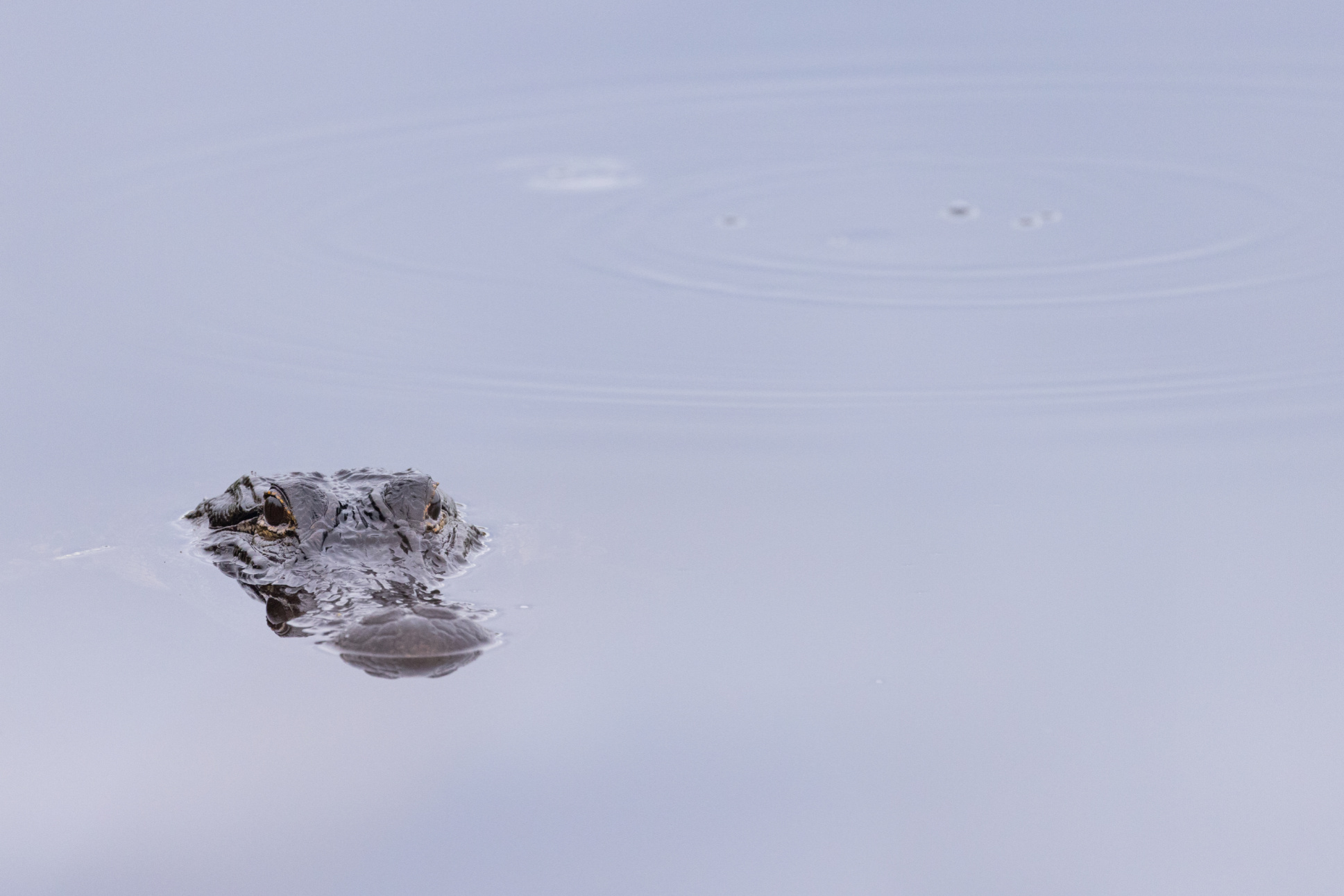
This week’s offering from the Sunshine State involves a man, an alligator, an airboat attraction, a free “Alligator Encounter,” and a lawsuit after said alligator reportedly bit the man in the face.
Bless all our headlines.
According to court records reported by News 6 in Orlando, a South Florida man named Edil Kasenov visited Airboat Rides at Midway in Christmas, Florida, back in June 2025. During the attraction’s free “Alligator Encounter,” Kasenov reportedly suffered a bite to the face.
Now, he is suing the business, accusing it of negligence and seeking damages of more than $50,000.
And just like that, we have the most Florida sentence of the week.
When The Alligator Encounter Encounters Back
The lawsuit claims there were no warnings, signs, or other devices to alert visitors to what it describes as the “vicious nature” of the alligator.
Now, I am not an attorney. I am not a wildlife expert. I am not even the kind of woman who likes walking too close to the reptile house at the zoo.
But I do feel spiritually qualified to say this: if you are standing near an alligator, the warning sign may be the alligator.
I understand the legal argument here. Businesses that invite the public into animal encounters have a responsibility to maintain safe conditions, provide warnings, and keep guests away from unnecessary danger. That is especially true when the animal in question is not a pony, a bunny, or a golden retriever named Biscuit.
It is an alligator.
Free Is Not Always A Bargain
There is something particularly Southern about the phrase “free Alligator Encounter.”
That sounds less like a tourist attraction and more like something your cousin Darrell offers after two beers and a bad idea.
“Y’all wanna see something?”
No. No, we do not.
Still, tourist attractions have become a major part of the Florida experience. People want airboats, swamps, sunshine, wildlife, pictures, and a story to tell when they get home. Most visitors probably expect that story to involve mosquitoes, not facial reconstruction.
If the lawsuit’s allegations are accurate, this case will likely come down to whether the company took reasonable steps to protect guests from a known danger. Were people kept at a safe distance? Was the animal restrained? Were employees supervising properly? Were warnings posted? Did guests understand what they were getting into?
Those are fair legal questions.
But the common-sense question is also sitting right there in the marsh wearing sunglasses: at what point did we as a society decide every dangerous thing needs a written reminder?
Warning: Gator May Gator
The lawsuit reportedly says there were no warnings about the alligator’s vicious nature.
That may be true. It may also be the most unnecessary sentence ever written by a lawyer.
What exactly should the sign say?
“Warning: This alligator may behave like an alligator.”
“Caution: Teeth included.”
“Do not place face near prehistoric bite machine.”
“Management not responsible if swamp dinosaur does swamp dinosaur things.”
Look, I am not making light of anyone’s injuries. A bite to the face is serious. Hospitalization and disfigurement are serious. If a company failed to follow proper safety procedures, that deserves scrutiny.
But this story still feels like it belongs in the great American museum of “things that did not need to happen.”
Somewhere between “man tries to pet bison” and “tourist climbs into zoo enclosure for selfie,” we seem to have lost the ability to distinguish between an experience and a warning from the Lord.
The Bigger Bite
There is a larger point hiding under the headline, and unlike the alligator, it is not camouflaged.
America has turned almost everything into an interactive experience. We do not just observe wildlife anymore. We encounter it. We do not simply visit nature. We try to get close enough to post it.
And businesses, especially tourist businesses, are constantly trying to offer the next memorable attraction.
But wild animals are not props. They are not theme park characters. They are not emotional support reptiles with better branding.
They are animals.
When companies profit from putting guests near dangerous animals, they have a duty to be careful. When guests choose to participate in those encounters, they also have a duty to remember that nature is not required to sign a liability waiver.
Both things can be true.
Bless His Heart, But Not Too Close
So what have we learned?
First, “free” can still cost you.
Second, alligators do not care about your vacation plans.
Third, if an attraction includes the word “encounter,” maybe ask how much encountering is actually involved.
And finally, if you ever find yourself in Florida, standing near an alligator, wondering whether it is safe to lean in closer, please hear Georgia Dale’s voice in your head:
Step back, sugar.
The headline can write itself without your face helping.
RECENT

Your 40s Aren’t Just About Hormones — They’re About Your Heart
Uncategorized

Wellness Benefits of Pumpkin Season
Health & Wellness

Fall Into Wellness: Creating a Healthier Autumn Routine
Health & Wellness

How to Prepare for Holiday Stress Before It Takes Over
Fitness
🇺🇸 Why the Liberty Bell Doesn’t Actually Ring Anymore
Did You Know?

A Rock Star’s Road to Redemption
Entertainment
New York Community Replaces Defaced Declaration Replica
America
How Four Seconds Can Help Calm the Mind
Friday Fuel

Heather Jenkins and The Power of Intentional Rest
Health & Wellness

Kentucky Bridge Project Gets $24M Boost
American Infra
BE THE FIRST TO KNOW
Want to stay in the loop? Be the first to know! Sign up for our newsletter and get the latest stories, updates, and insider news delivered straight to your inbox.

More Content By
Georgia Dale
Hot Dogs, Heat and the Mustard Belt
Bless Your Headlines
Georgia Dale: The Cat Did Not Make Him Do It
Bless Your Headlines

Macaroni, Dive Bars and Sundaes: July 7 Gets Weird
Offbeat Observances

Bless Your Punchlines
Bless Your Headlines

Bless His Heart, He Tried to Rideshare Out of a Police Perimeter
Bless Your Headlines

Outfits, Algorithms, and Falling Space Rocks
Offbeat Observances

A Duck, a Dream, and FIFA’s Fun Police
Bless Your Headlines

Bless the $75 Tots
Bless Your Headlines
Typewriters and Flamingos
Offbeat Observances

The Left Lane Is Not Your Personal Porch
Bless Your Headlines
View All Content By Georgia Dale