
Adobe Stock/brgfx

When a Greeting Becomes a Statement
These days, uttering the words “Merry Christmas” has become a political statement in the minds of many. To some Christians, it is a defiant statement that the birth of Christ should be recognized and celebrated by everyone. For those who practice a different faith, or none at all, hearing the words insults their view of what people should say to each other in public.
All of this brings to mind the admonition that what we should be paying attention to is “the reason for the season.” From where I sit, this is excellent advice for everyone, Christians and non-Christians; a little mutual respect would seem in order.
What Christmas Means to a Christian
Without pretending to be a theological expert, this Christian views the real gift of Christmas to be as stated in Matthew—”they shall call Him Immanuel, which is translated, God with us.” God became truly incarnate to save mankind by the sacrifice of His life to atone for our sins (an area of particular expertise for me) and give us eternal life (closer by the day for we Boomers).
The Intention Behind “Merry Christmas”
We Christians need to be sure that what we mean by saying Merry Christmas is the combination of thanking God for His gift, combined with wishing only the best to those to whom we utter the words. It should be about our gratitude and hoping for good things for others. If instead, we mean “I’m a Christian, going to let you know it, and don’t give a damn about how you feel,” we surely are falling a tad short of loving our neighbor as ourselves.
I would go as far as to say that attitude insults the God we proclaim to be worshiping. If that attitude results in others letting you know they do not appreciate what you are saying, this falls into the “you asked for it” category.
Responding Without Retreating
At the same time, if the perpetually offended and insulted respond to these words as a chance to essentially say “screw you, Christians and this miserable holiday,” that is when the rubber hits the road. It is time for Christians to demonstrate how we respond to the gift of grace. I am not saying that the Christian has to fall all over themselves for saying or doing anything that could cause offense to anyone at any time.
There is more than one way to not back away from saying Merry Christmas when someone lets you know they do not appreciate you “imposing your views.” As earlier noted, the temptation might be to respond in kind, saying you will do as you choose and decide.
Choosing Grace Over Confrontation
Instead of giving in to that temptation, we should view it as an opportunity to show the cross. “Only meant to share part of the joy of the season with everyone. Hope your days are filled with love and joy.”
Do I think that approach will make most of those objecting to Merry Christmas suddenly see the light and thank you for bearing witness? I do not. Do I think we should apologize for saying Merry Christmas who take offense? I do not.
Common Sense
Common sense: I wish everyone a Merry Christmas from the bottom of my grateful heart. May I reflect the gift of grace in thought, word, and deed. That’s the hope, no matter what it is that you believe.
RECENT

Passion, Purpose, Better Relationships
Happiness

PA Lawmakers Cite PHFA Audit Concerns
In The States

70 Years Later, “The Auctioneer” Still Rings True
Entertainment

DCS Under Scrutiny in Arizona Capitol Hearing
Childhood

Kentucky Takes Aim at Unemployment Fraud
Employment
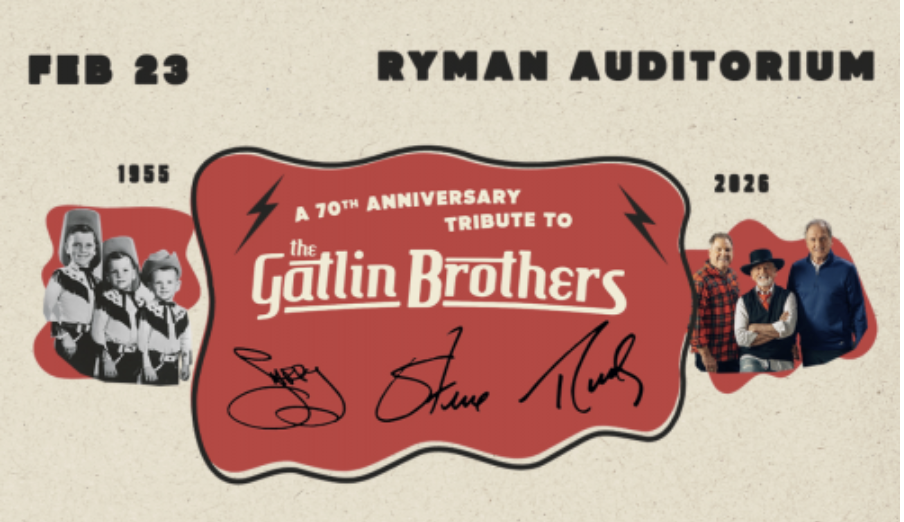
Vince Gill, Travis Tritt Join Star-Studded Gatlin Brothers Tribute
Entertainment

When the Calendar Goes Off the Rails (In the Best Way)
Offbeat Observances

Major Push to Bring Doctors Back to Upstate NY
Health & Wellness

Why We Celebrate Presidents’ Day
History

The Man Behind Valentine’s Day
Holidays
BE THE FIRST TO KNOW
Want to stay in the loop? Be the first to know! Sign up for our newsletter and get the latest stories, updates, and insider news delivered straight to your inbox.

More Content By
Bill Greener
Common Sense: Mom Was Right (Once Again)
Common Sense Corner

Facts Over Feelings
Opinion

The Market Sets the Price, Not Our Feelings
Common Sense Corner

Media Hype vs. Midterm Reality
Opinion

Greener: Traditional Journalism Is Dead
Common Sense Corner

Remember This: Is America Still a Great Nation?
America

Common Sense: Emerson on “Foolish Consistency”
Common Sense Corner

Faith, Free Will, and a Longer Life
Opinion

When the Narrative Is All That Matters
Common Sense Corner

The Dangerous Lie Behind “Fixing” Capitalism
Opinion
View All Content By Bill Greener