Adobe Stock/djvstock
Every February, Americans enjoy a long winter weekend marked by sales, travel deals, and a pause from the workweek. But behind the retail ads and extended getaways, Presidents’ Day carries a deeper story rooted in the nation’s founding and evolving relationship with its leaders. What began as a celebration of one man’s birthday has become a broader moment to reflect on the presidency itself — its history, legacy, and role in shaping the American story.
A Holiday Born from George Washington’s Legacy
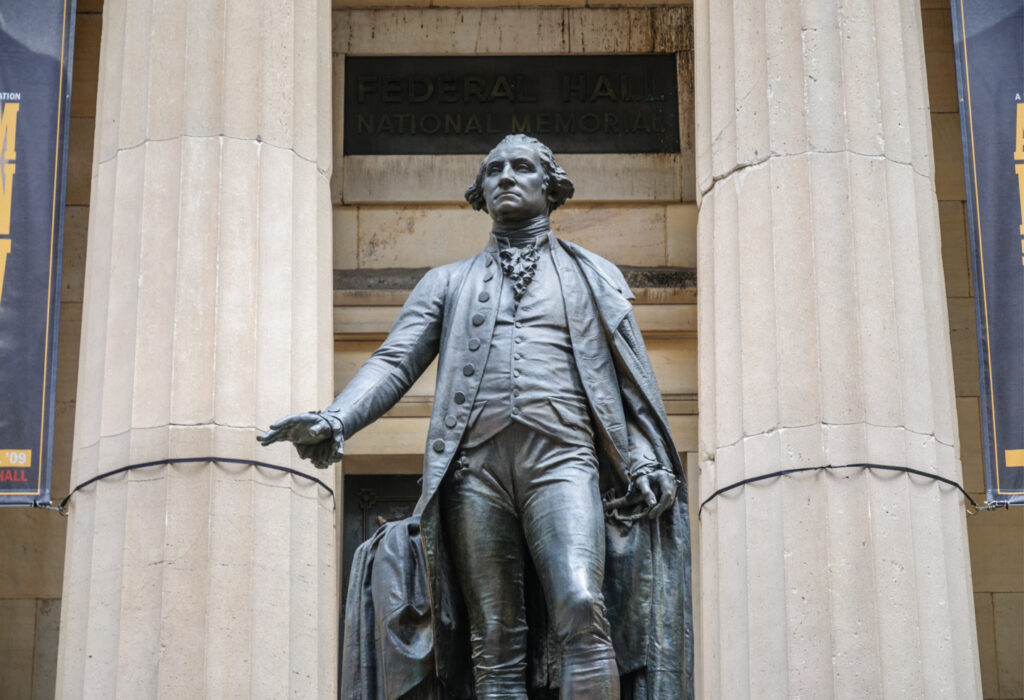
Presidents’ Day traces its origins to George Washington, the nation’s first president. Washington’s birthday, February 22, was widely celebrated during his lifetime and became a recognized holiday in many states in the 19th century. His leadership during the Revolutionary War and his role in establishing the presidency set a standard for those who followed. Honoring Washington was seen as honoring the very foundation of the United States.
In 1879, Washington’s Birthday became a federal holiday, initially observed in Washington, D.C., and later expanded nationwide. At the time, it joined a small group of federal holidays recognizing major national figures and moments. For decades, Americans formally celebrated Washington’s Birthday on February 22, with schools, civic organizations, and communities marking the occasion.
How Lincoln Became Part of the Story
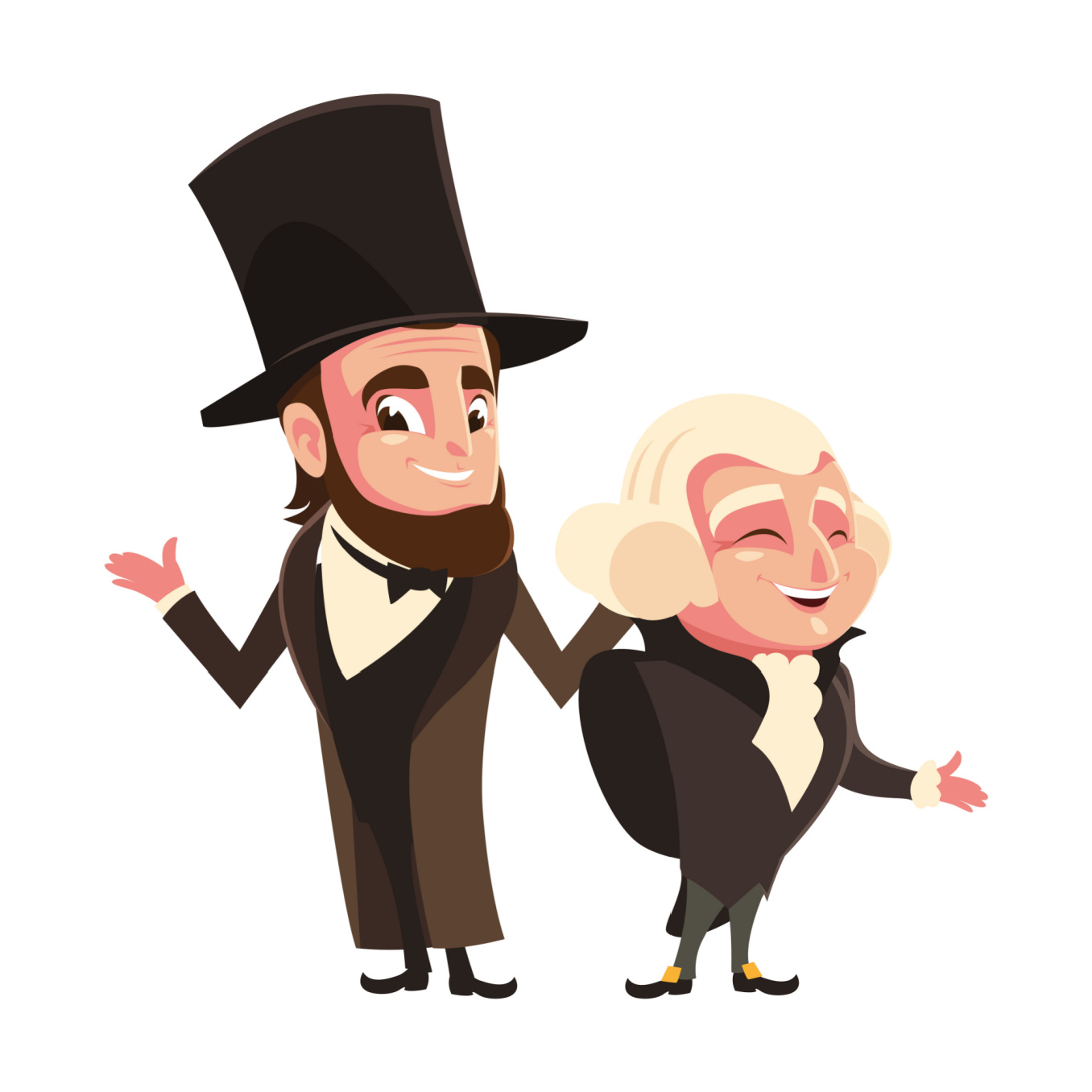
Over time, Abraham Lincoln’s birthday, February 12, also gained prominence, particularly in states like Illinois. Lincoln’s leadership during the Civil War and his role in preserving the Union made him one of the most revered figures in American history. While Lincoln’s birthday was never designated as a federal holiday, many states recognized it separately, and the proximity of the two birthdays in February led to a growing cultural association between Washington and Lincoln.
This dual recognition laid the groundwork for a broader, more inclusive observance — one that would eventually extend beyond two presidents to encompass the office itself.
The Uniform Monday Holiday Act and the Modern Holiday
The modern version of Presidents’ Day took shape in 1971 with the implementation of the Uniform Monday Holiday Act. This law moved several federal holidays to Mondays to create more three-day weekends for American workers. Washington’s Birthday was shifted from February 22 to the third Monday in February, meaning the federal holiday now never actually falls on Washington’s real birthday.
Although the official federal name of the holiday remains “Washington’s Birthday,” popular usage began referring to it as “Presidents’ Day.” Over time, the name stuck in the public imagination, reflecting a broader celebration of American presidents — past and present — rather than Washington alone.
What Presidents’ Day Represents Today
Today, Presidents’ Day serves multiple purposes. For some, it is a moment to reflect on the leadership, successes, and failures of those who have held the nation’s highest office. Schools and museums often use the holiday to teach about presidential history, civic responsibility, and the evolution of American democracy.
For others, Presidents’ Day has become more cultural than civic, associated with retail promotions and travel opportunities. While this commercialization sometimes overshadows the historical roots of the holiday, the day still offers a chance to pause and consider the individuals who shaped the country’s direction through times of peace, conflict, expansion, and change.
A Reflection of an Evolving Nation
Presidents’ Day reflects how American traditions evolve over time. What began as a tribute to one founding father gradually expanded to honor the broader institution of the presidency. In that way, the holiday mirrors the country itself — adapting, reinterpreting its symbols, and finding new ways to connect the past with the present. Whether marked by a history lesson, a visit to a museum, or simply a day off, Presidents’ Day remains a reminder that leadership has always been central to the American experiment.
RECENT

Creating a Cozy Home That Supports Your Well-Being
Health & Wellness

5 Easy Ways to Prepare for the Next Season Before It Takes Over
Health & Wellness

Your 40s Aren’t Just About Hormones — They’re About Your Heart
Uncategorized

Wellness Benefits of Pumpkin Season
Health & Wellness

Fall Into Wellness: Creating a Healthier Autumn Routine
Health & Wellness

How to Prepare for Holiday Stress Before It Takes Over
Fitness
🇺🇸 Why the Liberty Bell Doesn’t Actually Ring Anymore
Did You Know?

A Rock Star’s Road to Redemption
Entertainment
New York Community Replaces Defaced Declaration Replica
America
How Four Seconds Can Help Calm the Mind
Friday Fuel
BE THE FIRST TO KNOW
Want to stay in the loop? Be the first to know! Sign up for our newsletter and get the latest stories, updates, and insider news delivered straight to your inbox.
More Content By
Think American News Staff🇺🇸 Why the Liberty Bell Doesn’t Actually Ring Anymore
Did You Know?
A Rock Star’s Road to Redemption
Entertainment
New York Community Replaces Defaced Declaration Replica
America

Kentucky Bridge Project Gets $24M Boost
American Infra

Arizona Extends Farm Water Fee Relief
In The States

Michigan Storm Recovery Gets Bipartisan Federal Boost
In The States

Canada Says Goodbye To Country Gentleman Tommy Hunter
Entertainment
PA Lawmakers Focus on Energy
Energy

John Adams Saw America’s Future Before Anyone Else
America
The Revolutionary Ideas Behind July 4
Did You Know?
View All Content By Think American News Staff