May 09
Kindness
The Difference Between Kindness and ‘Bare Minimum’ Effort
Adobe Stock/Jaemie

Why Going the Extra Mile Still Matters in a World of ‘Bare Minimum’ Effort
What does real kindness actually look like?
In a recent commentary, writer Julie A. Ferraro argues that genuine kindness is not performative or convenient—it’s intentional, consistent, and often requires people to go beyond what’s expected.
The Difference Between Kindness and Courtesy
Ferraro says there’s a growing difference between authentic kindness and what she calls “faux kindness.”
One may appear polite on the surface while still withholding care, effort, or respect.
To illustrate the point, she shares the story of two priests serving at the same church.
One completed his daily duties and quickly withdrew from the community. The other stayed after services, greeted visitors, spoke with children, opened doors for others, and made people feel seen.
The contrast, Ferraro argues, had nothing to do with job descriptions.
It had everything to do with presence.
Why Small Actions Matter
Throughout the essay, Ferraro emphasizes that genuine kindness often appears in ordinary moments:
- remembering to include others
- listening attentively
- offering help before being asked
- treating peers with respect
- taking an extra minute to make someone’s day easier
“These are indicators of genuine kindness,” she writes.
And unlike performative gestures, they usually happen quietly.
A Pushback Against ‘Bare Minimum’ Culture
Ferraro also reflects on the rise of “quiet quitting,” a term often used to describe workers doing only the minimum required of them.
While acknowledging workplace frustrations, she warns against allowing resentment or indifference to shape how people treat one another.
In her view, kindness is not about recognition or reward.
It’s about choosing to care even when it’s inconvenient.
Kindness Without Applause
One of the essay’s strongest themes is that authentic kindness is rarely transactional.
People who genuinely care for others don’t constantly ask what they’ll get in return.
They help because they believe it’s the right thing to do.
Ferraro argues that this kind of mindset has become increasingly important in a world where many people feel disconnected, rushed, or overlooked.
The Extra Mile Still Matters
At its core, the essay serves as a reminder that kindness is often less about grand gestures and more about consistency.
Opening the door.
Checking in.
Helping without being asked.
Listening fully.
The “extra mile,” Ferraro suggests, is where real kindness lives.
And in uncertain times, those small choices may matter more than people realize.
RECENT
🇺🇸 Why the Liberty Bell Doesn’t Actually Ring Anymore
Did You Know?

A Rock Star’s Road to Redemption
Entertainment
New York Community Replaces Defaced Declaration Replica
America
How Four Seconds Can Help Calm the Mind
Friday Fuel

Heather Jenkins and The Power of Intentional Rest
Health & Wellness

Kentucky Bridge Project Gets $24M Boost
American Infra

Arizona Extends Farm Water Fee Relief
In The States

Macaroni, Dive Bars and Sundaes: July 7 Gets Weird
Offbeat Observances
Michigan Storm Recovery Gets Bipartisan Federal Boost
In The States

Canada Says Goodbye To Country Gentleman Tommy Hunter
Entertainment
BE THE FIRST TO KNOW
Want to stay in the loop? Be the first to know! Sign up for our newsletter and get the latest stories, updates, and insider news delivered straight to your inbox.

More Content By
Think American News Staff🇺🇸 Why the Liberty Bell Doesn’t Actually Ring Anymore
Did You Know?
A Rock Star’s Road to Redemption
Entertainment
New York Community Replaces Defaced Declaration Replica
America
Kentucky Bridge Project Gets $24M Boost
American Infra
Arizona Extends Farm Water Fee Relief
In The States
Michigan Storm Recovery Gets Bipartisan Federal Boost
In The States
Canada Says Goodbye To Country Gentleman Tommy Hunter
Entertainment
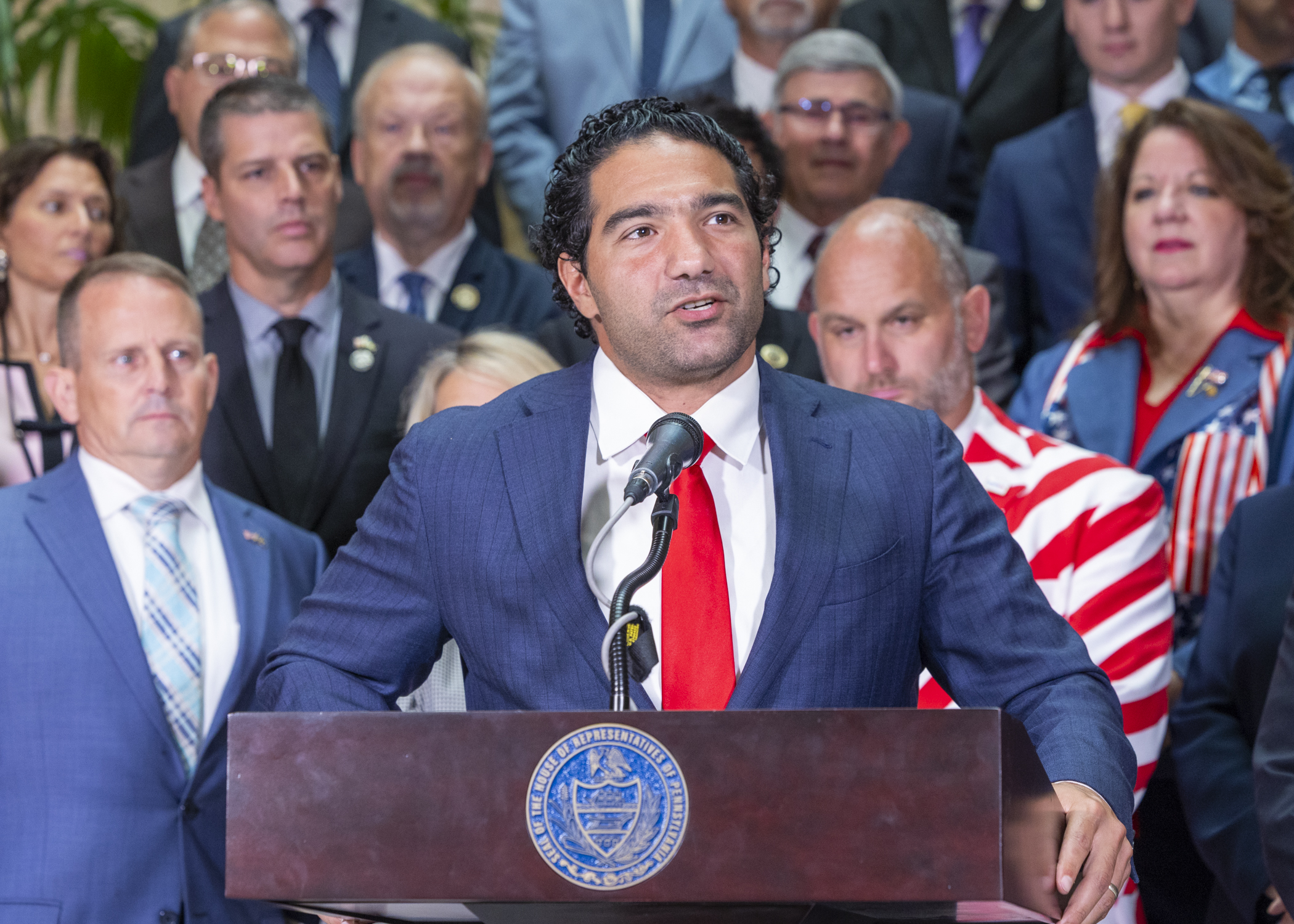
PA Lawmakers Focus on Energy
Energy

John Adams Saw America’s Future Before Anyone Else
America

The Revolutionary Ideas Behind July 4
Did You Know?
View All Content By Think American News Staff