Oct 30
Economy
Democrats “Say the Quiet Part Out Loud” on Shutdown Strategy, Winston Warns
Adobe Stock/tanaonte/stock.adobe.com
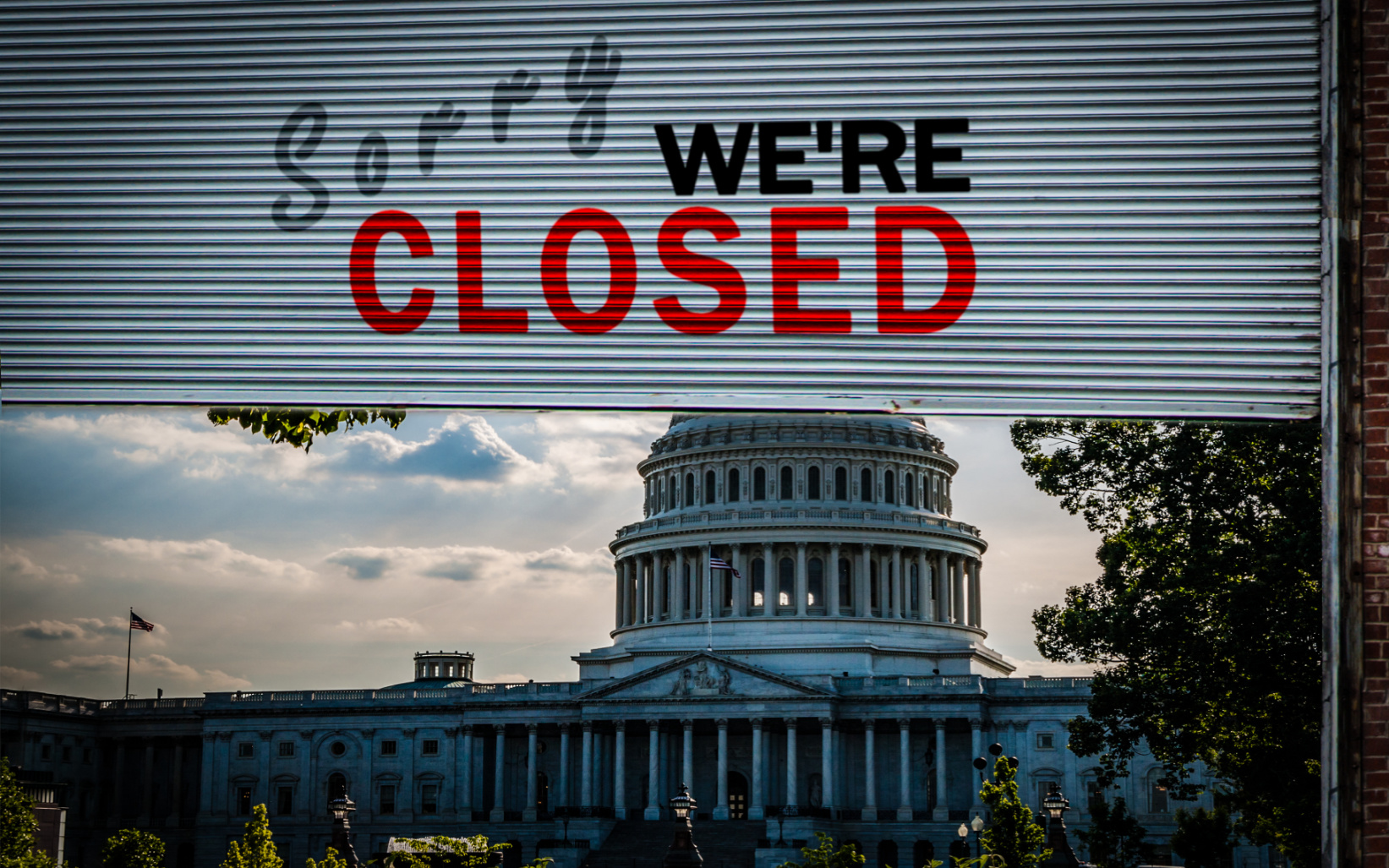
This week’s WG Economy highlights David Winston’s latest Roll Call column, where he examines the political and economic stakes of the ongoing federal government shutdown — and the increasingly candid remarks from Democratic leaders revealing their strategic approach.
In his column, Winston points to recent comments by Senate Minority Leader Chuck Schumer and House Minority Whip Katherine Clark that he argues expose a troubling mindset. Schumer’s remark that “every day gets better for us” during the shutdown, followed by Clark calling shutdown periods “one of the few leverage times we have,” suggest to Winston that Democrats view the situation less as a national hardship and more as a partisan opportunity.
Winston contends that the consequences of a prolonged shutdown are far from theoretical. From Supplemental Nutrition Assistance Program (SNAP) beneficiaries — including elderly Americans, low-income families, and children — to military families, federal law enforcement, air traffic controllers, and thousands of small businesses waiting for critical SBA-backed loans, he notes that millions are already feeling the strain. He also highlights statements from the pilots union and the American Federation of Government Employees (AFGE), both urging lawmakers to end the shutdown, with AFGE President Everett Kelley delivering a pointed rebuke: “A strong America requires a functioning government.”
Despite mounting pressure and vulnerable constituencies historically aligned with Democrats, Winston writes that Democratic leadership appears dug in, repeatedly voting against clean continuing resolutions that could reopen the government while negotiations continue. He suggests this approach risks alienating key allies — including labor unions — and questions whether a strategy built on political leverage can withstand growing voter frustration.
As the shutdown nears another critical deadline, Winston notes the stakes: public patience is waning, pressure is building, and voters may ultimately hold leaders accountable for choosing leverage over relief.
RECENT

Your 40s Aren’t Just About Hormones — They’re About Your Heart
Uncategorized

Wellness Benefits of Pumpkin Season
Health & Wellness

Fall Into Wellness: Creating a Healthier Autumn Routine
Health & Wellness

How to Prepare for Holiday Stress Before It Takes Over
Fitness
🇺🇸 Why the Liberty Bell Doesn’t Actually Ring Anymore
Did You Know?

A Rock Star’s Road to Redemption
Entertainment
New York Community Replaces Defaced Declaration Replica
America
How Four Seconds Can Help Calm the Mind
Friday Fuel

Heather Jenkins and The Power of Intentional Rest
Health & Wellness

Kentucky Bridge Project Gets $24M Boost
American Infra
BE THE FIRST TO KNOW
Want to stay in the loop? Be the first to know! Sign up for our newsletter and get the latest stories, updates, and insider news delivered straight to your inbox.

More Content By
Think American News Staff🇺🇸 Why the Liberty Bell Doesn’t Actually Ring Anymore
Did You Know?
A Rock Star’s Road to Redemption
Entertainment
New York Community Replaces Defaced Declaration Replica
America
Kentucky Bridge Project Gets $24M Boost
American Infra

Arizona Extends Farm Water Fee Relief
In The States
Michigan Storm Recovery Gets Bipartisan Federal Boost
In The States

Canada Says Goodbye To Country Gentleman Tommy Hunter
Entertainment
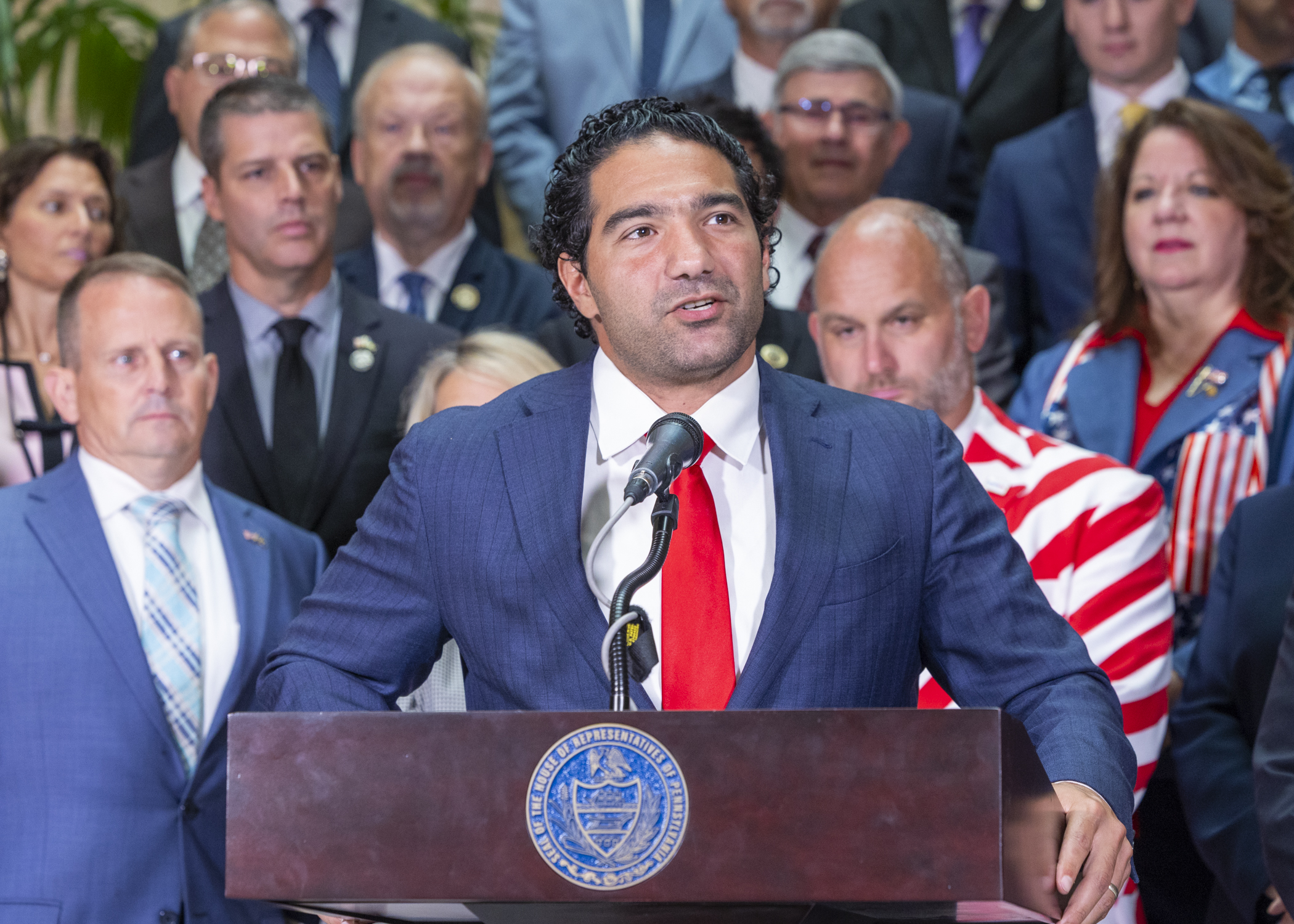
PA Lawmakers Focus on Energy
Energy

John Adams Saw America’s Future Before Anyone Else
America

The Revolutionary Ideas Behind July 4
Did You Know?
View All Content By Think American News Staff