Adobe Stock/arneaw
Fireworks Are Festive—but Far From Harmless
As New Year’s Eve celebrations approach, safety experts are urging Americans—especially families—to think twice before lighting fireworks. According to the Louisiana State Fire Marshal’s Office, an estimated 14,700 people were injured by fireworks in 2024, a nearly 52 percent increase from the year before. Many of those injuries were entirely preventable.
The Most Common Injuries May Surprise You
Fireworks injuries aren’t limited to dramatic explosions. Christina Sharon, a burn surgeon at Baton Rouge General, says most injuries are thermal—burns caused by sparks, misfires, or fireworks detonating too close to the body. Victims most often range from teenagers to adults in their 30s, a reminder that experience doesn’t equal immunity.
Know the Law Before You Light the Fuse
Before setting anything off, experts stress checking local laws. Fireworks are illegal in East Baton Rouge Parish, while neighboring parishes such as Ascension, Livingston, and West Baton Rouge allow them with restrictions. Ken Pastorick warns that celebrating illegally can lead to fines—or worse, emergency situations that strain first responders on a busy holiday night.
Cold Weather Adds New Risks
With New Year’s Eve temperatures expected to dip into the 20s, bulky winter clothing can become a hazard. Long sleeves, coats, and scarves are more likely to brush against open flames. Fireworks can still be used in cold weather, experts say—but extra awareness is critical.
Water, Distance, and Proper Disposal Matter
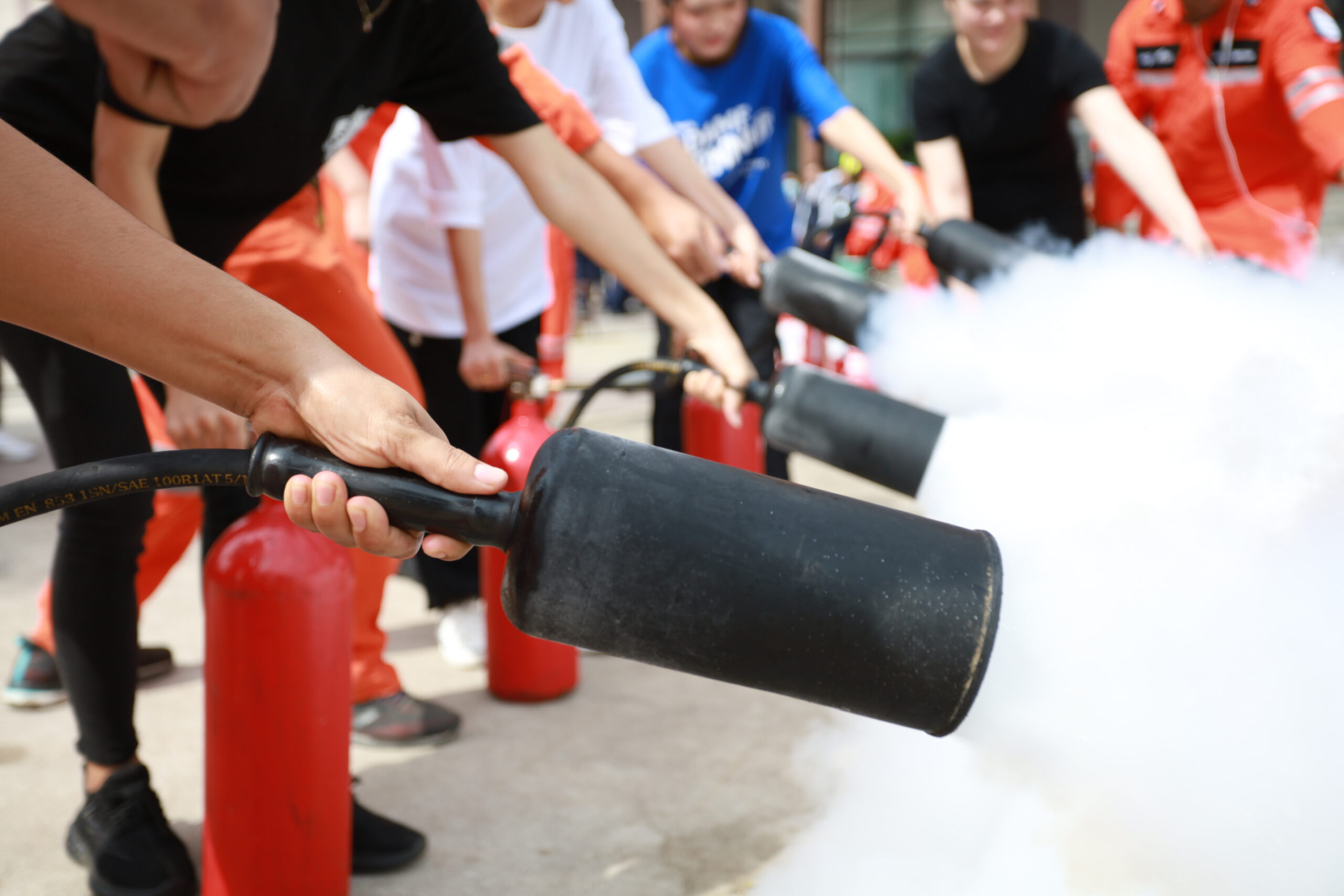
Safety officials recommend keeping a bucket of water or a hose nearby and setting fireworks off at least 200 feet from buildings, vehicles, and flammable debris. Used fireworks should always be soaked in water before being thrown away—never tossed dry into the trash.
Sparklers Are Not Child’s Play
Though often given to kids, sparklers burn at temperatures up to 2,000 degrees. A brief touch can cause second- or third-degree burns. Close supervision isn’t optional—it’s essential.
RECENT

Rosemary Bonner: Your Body Is Talking. Are You Listening?
Friday Fuel

World Cup Energy Meets Summer Tradition
Dating

Heather Jenkins: Easy Summer Hosting Made Simple
Health & Wellness

Tennessee Law Covers Faith and History
In The States

PA’s Tax Cut Framed Around Household Bills
In The States

Typewriters and Flamingos
Offbeat Observances

Wisconsin Strengthens Child Protection Laws
In The States

The Man Who Painted America’s Story
Legends of the American Spirit

Michigan Lawmaker Calls for Stronger Reading Standards
Childhood

Winston Group: GOP Economic Advantage Continues to Slip
Uncategorized
BE THE FIRST TO KNOW
Want to stay in the loop? Be the first to know! Sign up for our newsletter and get the latest stories, updates, and insider news delivered straight to your inbox.

More Content By
Think American News StaffWorld Cup Energy Meets Summer Tradition
Dating
Tennessee Law Covers Faith and History
In The States
PA’s Tax Cut Framed Around Household Bills
In The States
Wisconsin Strengthens Child Protection Laws
In The States
The Man Who Painted America’s Story
Legends of the American Spirit
Michigan Lawmaker Calls for Stronger Reading Standards
Childhood
Winston Group: GOP Economic Advantage Continues to Slip
Uncategorized

What Your Butterflies Are Trying to Tell You
Did You Know?
World Cup Energy, Summer Festivals And Weekend Fun
Dating
Winston Group Podcast Examines 2024 Election Autopsy
Elections
View All Content By Think American News Staff