
Adobe Stock/ liliya

Why Teaching Kindness Early May Be One of Society’s Most Important Investments
In a thought-provoking essay, physician and researcher Paul Dranichnikov argues that kindness is not simply something people naturally develop on their own. Instead, he says, it must be intentionally taught, practiced, and reinforced—especially during childhood.
Kindness Isn’t Automatic, He Says
Drawing from years of experience in medicine, Dranichnikov describes witnessing people at their most vulnerable in hospitals and exam rooms.
Under stress or fear, he argues, humans often default to self-protection rather than compassion.
“Kindness,” he writes, “is a disciplined act, a conscious choice that often runs counter to impulse.”
That’s why, he says, society cannot afford to leave the development of empathy and compassion to chance.
Why Early Childhood Matters
According to Dranichnikov, early childhood is the most critical window for developing kindness because of how rapidly the brain develops during those years.
Neuroscience research has shown that repeated experiences—such as practicing empathy, recognizing emotions, and helping others—can strengthen the brain pathways connected to prosocial behavior.
Over time, behaviors that once required effort can become instinctive.
In other words: kindness can become a habit.
More Than Manners
The essay stresses that teaching kindness goes far beyond encouraging children to “be nice.”
Instead, it’s about shaping identity.
Children who consistently practice compassion begin to see themselves differently: as people who help, support, and care for others.
That identity, Dranichnikov argues, can help anchor people later in life when faced with division, competition, or pressure.
A Public Health and Community Issue
The physician also frames kindness as something larger than an individual virtue.
Communities that intentionally foster empathy and connection, he argues, are building resilience against problems like bullying, loneliness, alienation, and social fragmentation.
In an increasingly polarized world, he suggests kindness may function as a form of social infrastructure.
A Call for Intentional Teaching
Dranichnikov believes schools, families, and communities all play a role.
He argues that social-emotional learning should be treated with the same seriousness as subjects like math or reading.
Parents, meanwhile, should model kindness openly and intentionally—not just assume children absorb it naturally.
“Compassion, like muscle, strengthens only through use,” he writes.
A Different View of Strength
At the heart of the essay is one central idea:
Kindness is not weakness.
It is discipline.
It is choosing empathy even when stress, fear, or frustration push people in the opposite direction.
It must be taught—early and often.
RECENT
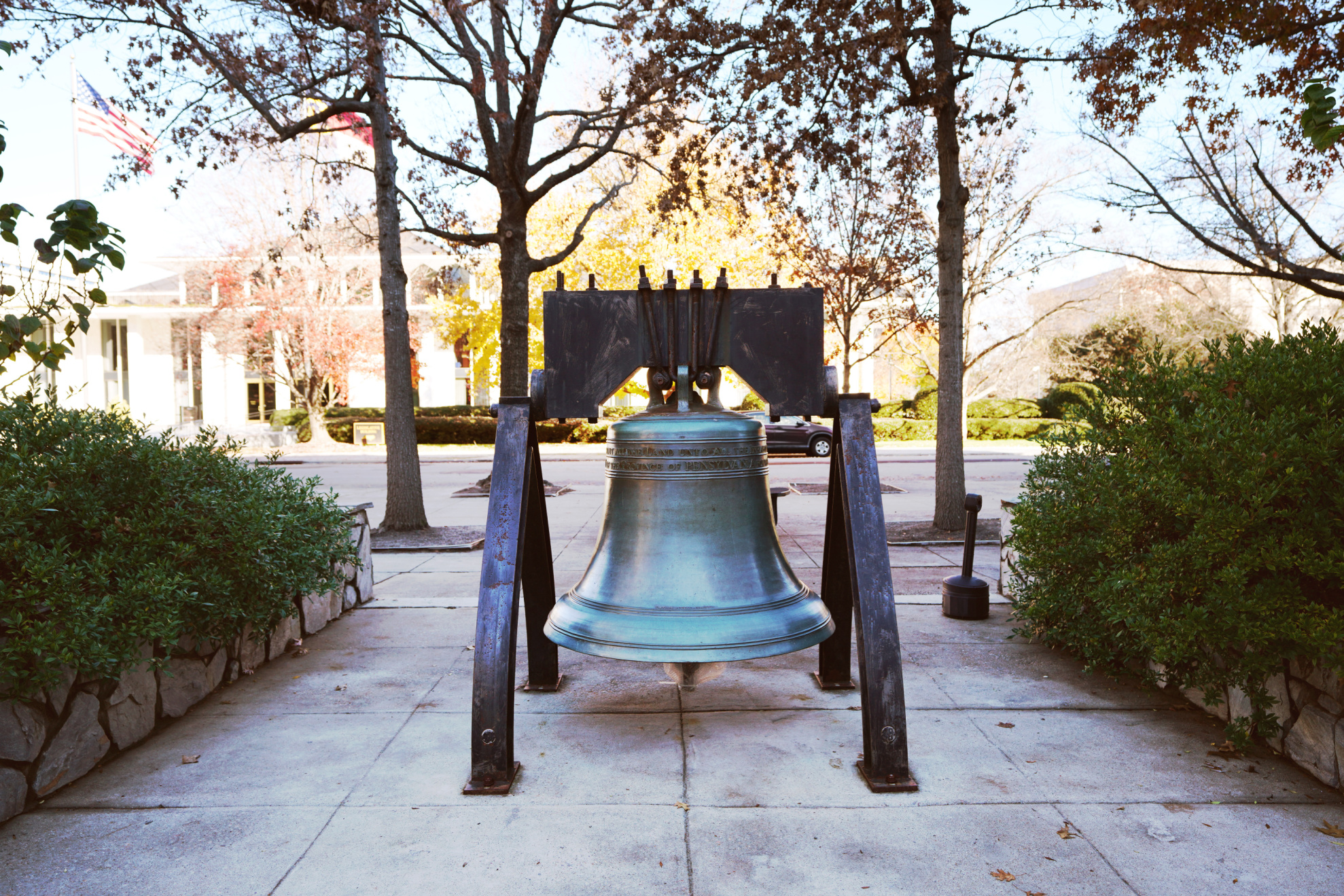
🇺🇸 Why the Liberty Bell Doesn’t Actually Ring Anymore
Did You Know?

A Rock Star’s Road to Redemption
Entertainment

New York Community Replaces Defaced Declaration Replica
America
How Four Seconds Can Help Calm the Mind
Friday Fuel

Heather Jenkins and The Power of Intentional Rest
Health & Wellness

Kentucky Bridge Project Gets $24M Boost
American Infra

Arizona Extends Farm Water Fee Relief
In The States

Macaroni, Dive Bars and Sundaes: July 7 Gets Weird
Offbeat Observances

Michigan Storm Recovery Gets Bipartisan Federal Boost
In The States
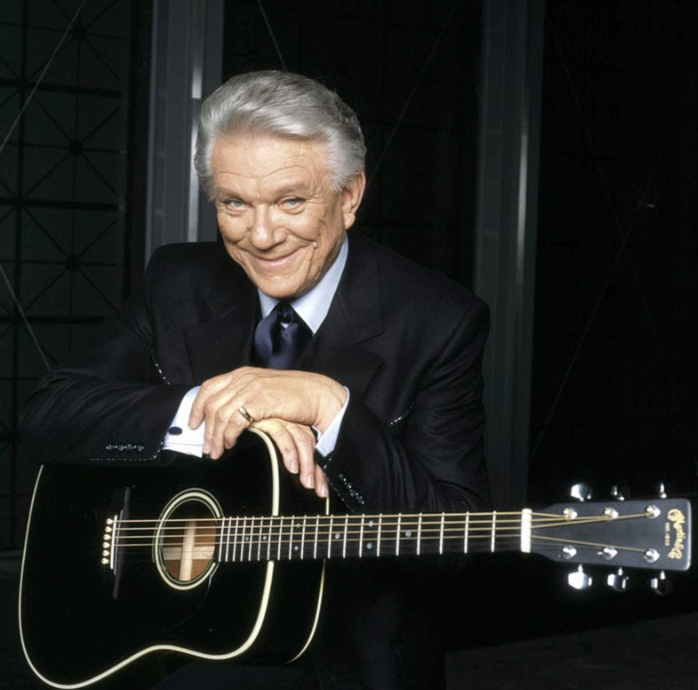
Canada Says Goodbye To Country Gentleman Tommy Hunter
Entertainment
BE THE FIRST TO KNOW
Want to stay in the loop? Be the first to know! Sign up for our newsletter and get the latest stories, updates, and insider news delivered straight to your inbox.

More Content By
Think American News Staff🇺🇸 Why the Liberty Bell Doesn’t Actually Ring Anymore
Did You Know?
A Rock Star’s Road to Redemption
Entertainment
New York Community Replaces Defaced Declaration Replica
America
Kentucky Bridge Project Gets $24M Boost
American Infra
Arizona Extends Farm Water Fee Relief
In The States
Michigan Storm Recovery Gets Bipartisan Federal Boost
In The States
Canada Says Goodbye To Country Gentleman Tommy Hunter
Entertainment
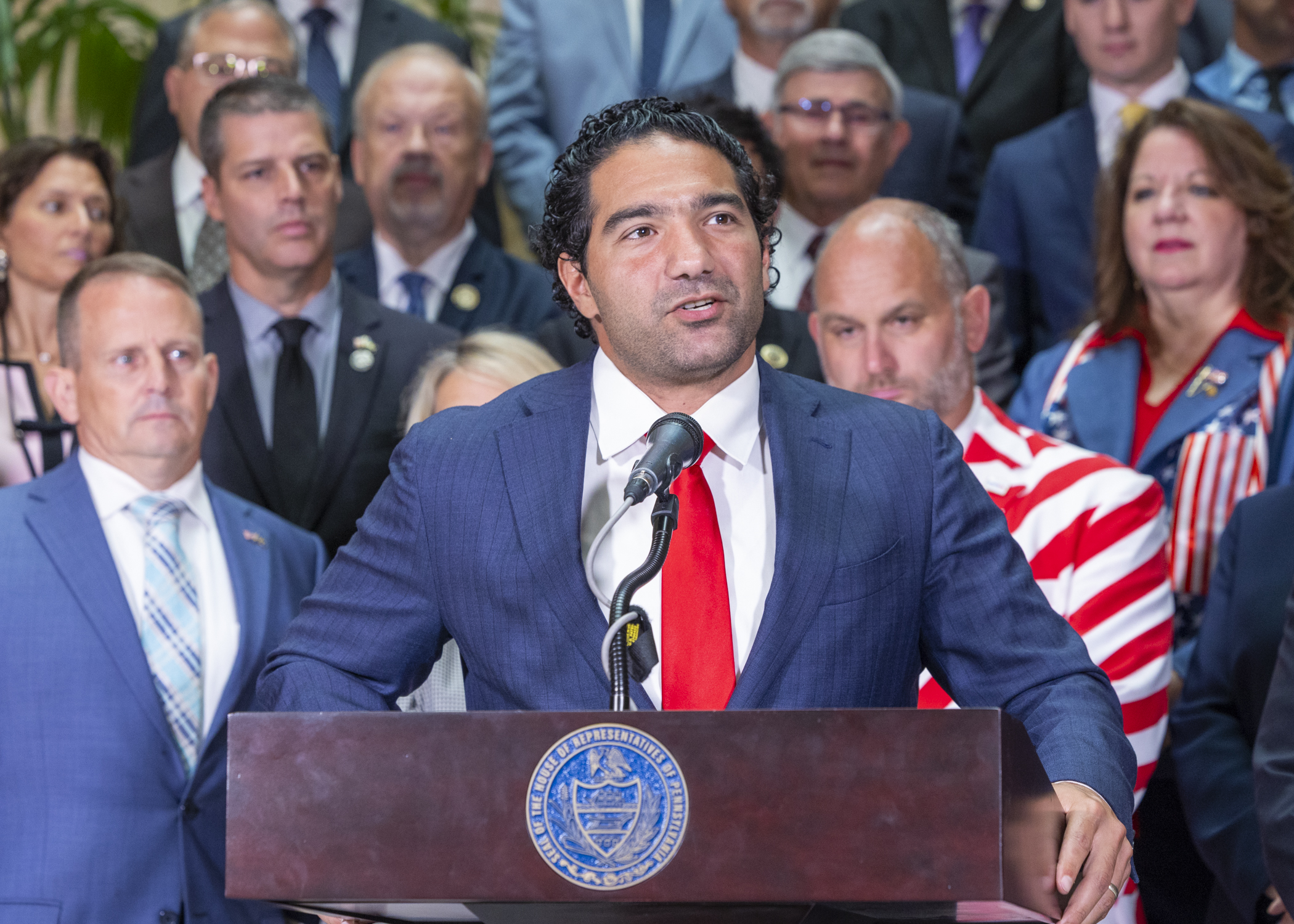
PA Lawmakers Focus on Energy
Energy

John Adams Saw America’s Future Before Anyone Else
America

The Revolutionary Ideas Behind July 4
Did You Know?
View All Content By Think American News Staff