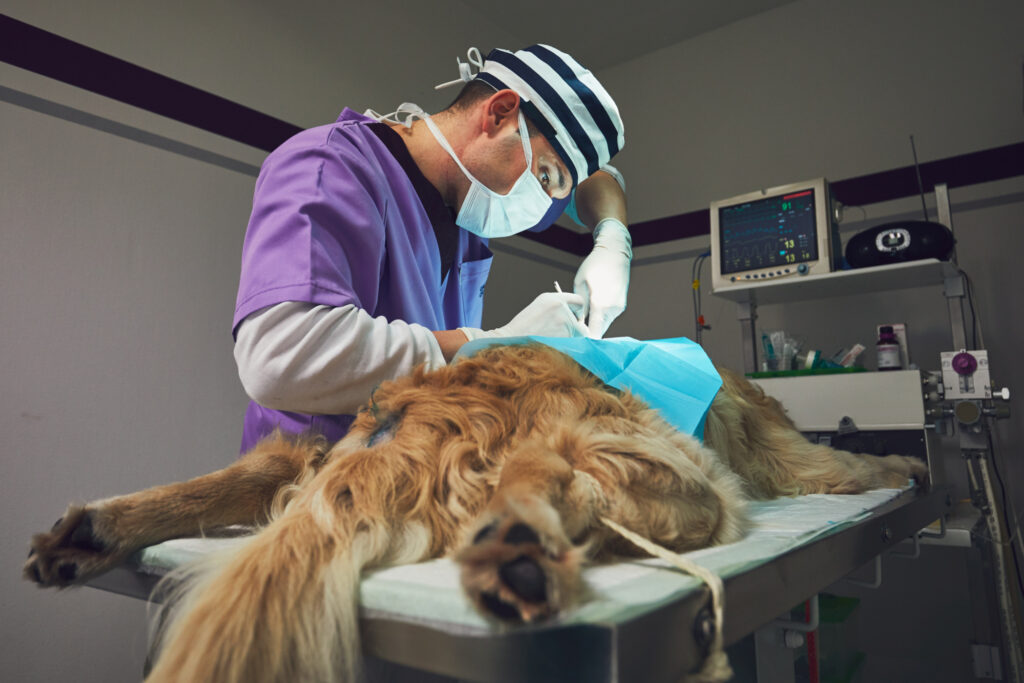
Adobe Stock/Татьяна Креминская
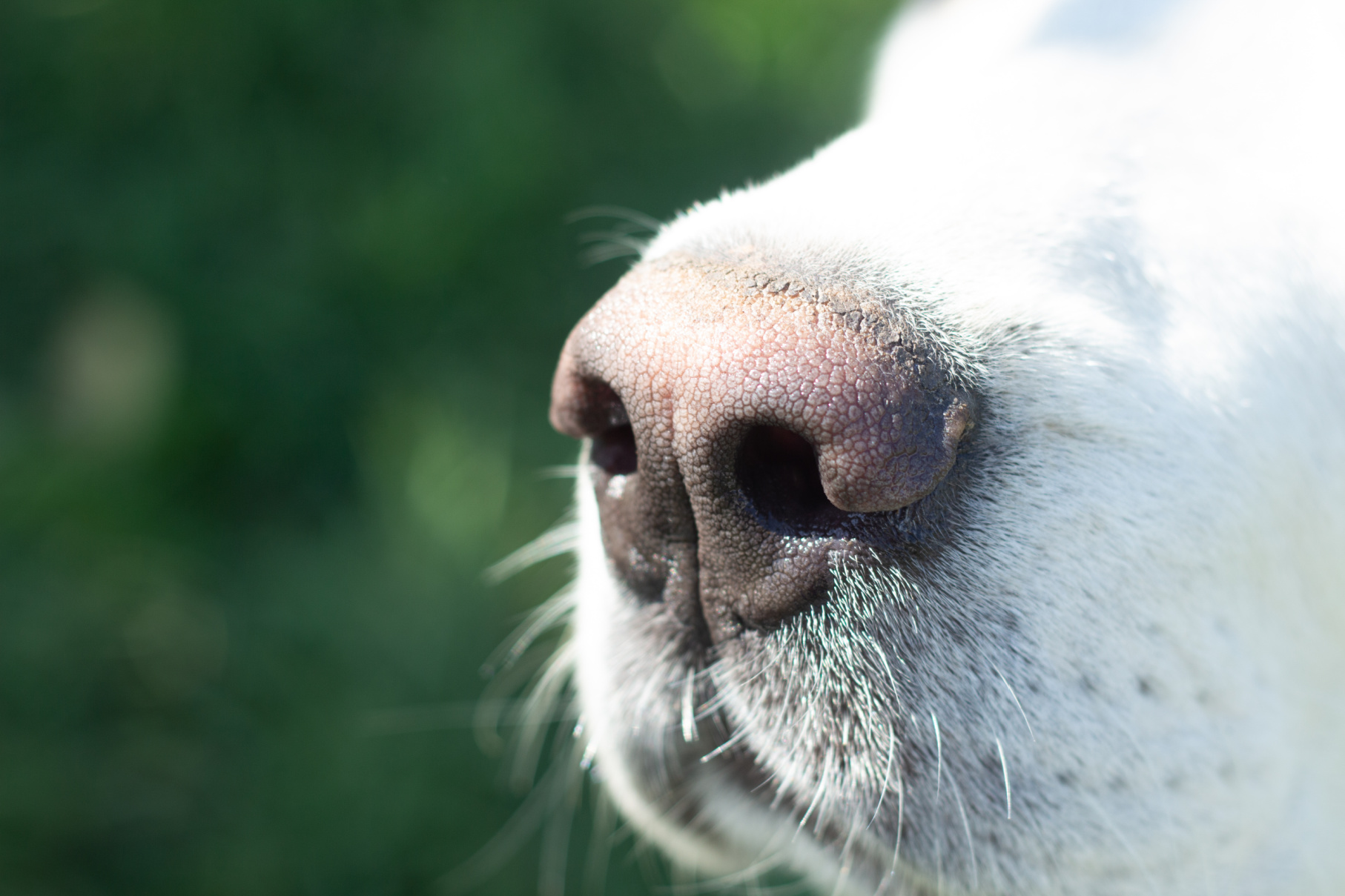
Now researchers are working to turn the extraordinary abilities of dogs into technology that could help detect diseases earlier and save more lives.
A Dog’s Persistent Warning
Colleen Ferguson, a retired science teacher from Kent, England, first noticed something unusual when her German Shepherd, named Inca, began obsessively sniffing her mouth.
The two-year-old dog repeatedly examined Ferguson’s breath and would give her what she described as a concerned look before walking away.
At first, Ferguson assumed the dog’s behavior might be linked to dental issues or dietary sensitivities. She visited doctors and dentists, but initial tests came back normal.
Still, Inca’s behavior continued.
Concerned, Ferguson decided to schedule a full-body scan.
The results revealed a golf-ball-sized tumor in her lung — diagnosed as stage one lung cancer.
Early Detection Saved Her Life
Because the cancer was discovered so early, doctors were able to remove the tumor through surgery before it spread.
Ferguson required no chemotherapy or radiation afterward.
Her surgeon told her the early discovery was unusual.
“We never catch it at stage one,” the doctor reportedly said, adding that her dog likely saved her life.
Lung cancer often goes undetected in its early stages because symptoms typically appear only after the disease has progressed.
Ferguson, who had no symptoms and is a non-smoker, said the diagnosis came as a shock.
Today she says she encourages people to pay attention to unusual behavior from their pets.
Dogs’ Remarkable Ability to Detect Disease
Researchers have long studied the ability of dogs to detect disease through scent.
The nonprofit Medical Detection Dogs has been training dogs to identify cancers by smelling biological samples such as urine.
Dogs have an extraordinary sense of smell, capable of detecting tiny chemical compounds known as volatile organic compounds that can be produced by disease.
Clinical trials have already shown trained dogs can detect conditions including prostate cancer, bladder cancer, Parkinson’s disease and even COVID-19.
Scientists believe tumors may produce distinctive odor signatures that animals can identify long before traditional symptoms appear.
Scientists Developing a Machine That Can “Smell” Cancer
Inspired by dogs’ abilities, researchers are now working to replicate the process with technology.
Scientists at Massachusetts Institute of Technology are developing an artificial “electronic nose,” or e-nose, designed to detect the same chemical signals dogs identify.
The device uses chemical sensors combined with artificial intelligence to analyze biological samples and search for odor molecules associated with cancer.
Early testing is underway using hundreds of urine samples from patients at Milton Keynes University Hospital in England.
Researchers hope the device could eventually become a non-invasive screening tool used in hospitals.
A Future Where Technology Learns From Dogs
Researchers believe the technology could one day be used in routine medical screening — possibly even integrated into consumer devices such as smartphones.
The goal is not to replace the work of detection dogs, but to replicate their abilities on a much larger scale.
For Ferguson, however, the hero will always be her dog.
And thanks to Inca’s unusual curiosity, a life-threatening disease was caught early enough to treat.
RECENT

Indiana Delivers Veteran Relief
In Service

Why Easter Still Matters
Holidays

Wisconsin Bets Big on Forestry Future
In The States

Success Starts with Failure
Did You Know?

A Dog’s Last Lesson
Animals

America in Bloom This Weekend
Dating

Kentucky State’s Future Gets a Boost
Education

Fighting Inflammation After 40
Friday Fuel

Supporting the Spectrum
Health & Wellness

Burnout Explained
Health & Wellness
BE THE FIRST TO KNOW
Want to stay in the loop? Be the first to know! Sign up for our newsletter and get the latest stories, updates, and insider news delivered straight to your inbox.

More Content By
Think American News StaffIndiana Delivers Veteran Relief
In Service
Why Easter Still Matters
Holidays
Wisconsin Bets Big on Forestry Future
In The States
Success Starts with Failure
Did You Know?
America in Bloom This Weekend
Dating
Kentucky State’s Future Gets a Boost
Education
Supporting the Spectrum
Health & Wellness

Classic Country Duo Earns Top Honor
Entertainment

Speaker Matt Hall Promotes Student Literacy
Education

Chávez Day Under Review in Arizona
History
View All Content By Think American News Staff