Jul 11
Did You Know?
🇺🇸 Why the Liberty Bell Doesn’t Actually Ring Anymore
Adobe Stock/zimmytws
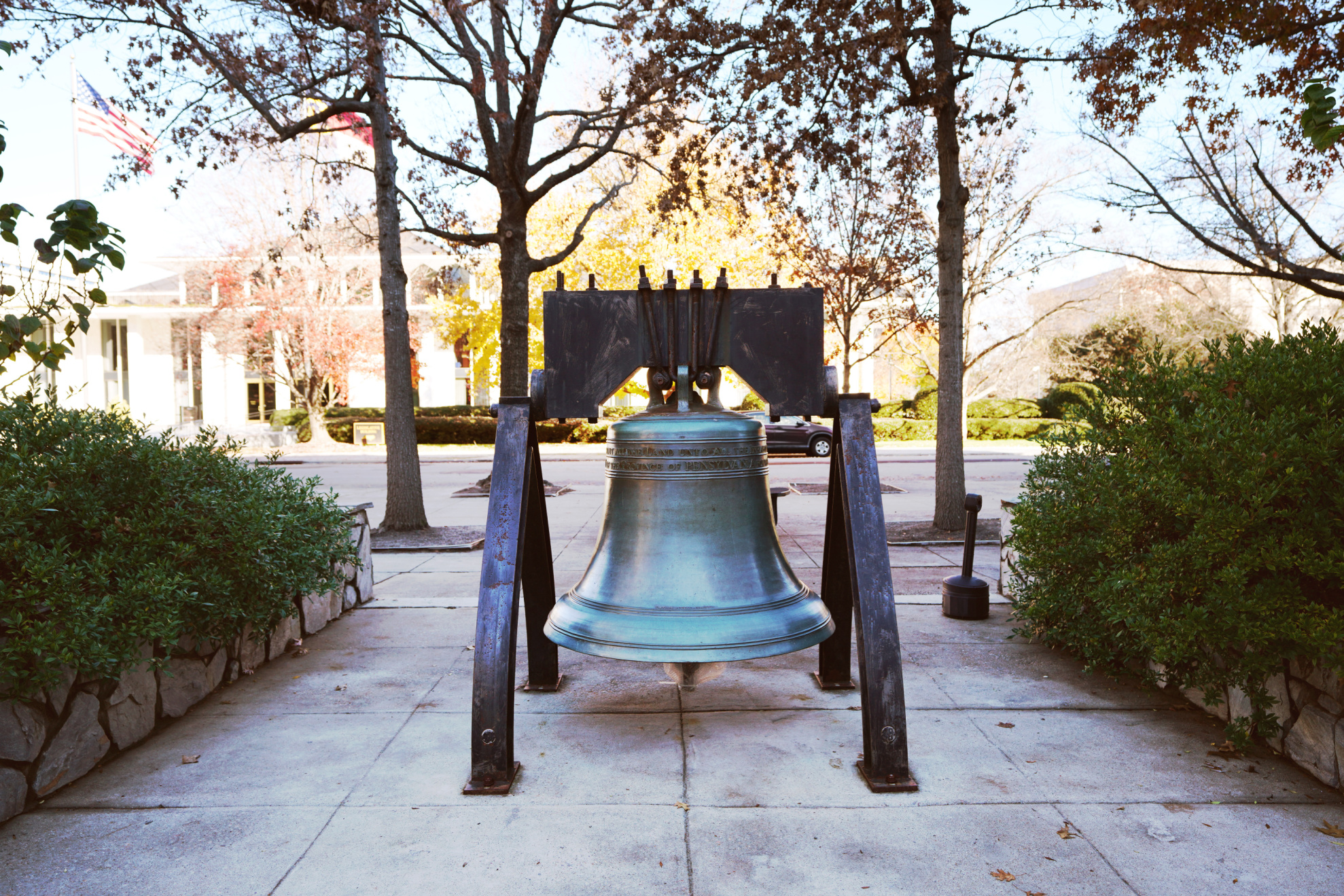
Few symbols are as recognizable as the Liberty Bell.
Its image appears in textbooks, museums, postcards, and patriotic celebrations across the country. Yet despite its place in American history, one of the nation’s most famous bells has been silent for nearly two centuries.
Why?
The answer is part history, part mystery, and entirely fascinating.
A Bell Born Before America
The Liberty Bell wasn’t originally created to celebrate American independence.
Commissioned in 1751 by the Pennsylvania Assembly, the bell was intended to hang in the tower of what is now Independence Hall in Philadelphia. It was cast in London and shipped across the Atlantic, but when it arrived, it cracked during testing.
Rather than send it back, local craftsmen John Pass and John Stow melted it down and recast it in Philadelphia. Their names remain engraved on the bell today.
For years, it rang to mark public meetings, legislative sessions, and important events in colonial Pennsylvania.
The Crack That Made It Famous
Many people assume the Liberty Bell cracked while ringing on July 4, 1776, to celebrate the adoption of the Declaration of Independence.
It’s a great story—but historians say it isn’t true.
In fact, no one knows exactly when the famous crack appeared.
The bell likely developed a small crack after years of use, and attempts to repair it only made the damage worse. Eventually, the crack widened to the point where ringing the bell could cause it to break beyond repair.
Rather than risk losing it forever, officials retired the bell from active use in the 1840s.
Today, the crack that silenced the bell is one of the reasons it became so famous.
A Powerful Symbol of Freedom
The Liberty Bell’s connection to freedom grew stronger over time.
Inscribed around its top is a verse from the Bible, Leviticus 25:10:
“Proclaim LIBERTY throughout all the Land unto all the Inhabitants thereof.”
During the 19th century, abolitionists embraced the bell as a symbol of the fight to end slavery. It was around this time that it became widely known as the “Liberty Bell,” a name that reflected the nation’s continuing pursuit of freedom for all.
Over the years, the bell also became associated with civil rights, voting rights, and the enduring promise of liberty.
Its silence never diminished its message.
If anything, it amplified it.
Why It Still Matters Today
The Liberty Bell reminds us that symbols often become more powerful because of the stories they tell.
Its crack is no longer viewed as a flaw.
Instead, it represents resilience.
It has witnessed the birth of a nation, inspired generations seeking greater freedom, and stood as a reminder that America’s story has always been one of striving to live up to its highest ideals.
Millions of visitors travel to Philadelphia each year to see the bell—not because it rings, but because of what it represents.
A Silent Reminder
As America celebrates its 250th anniversary, the Liberty Bell continues to inspire without making a sound.
It reminds us that freedom is more than a word engraved in bronze.
It’s an ideal that must be protected, strengthened, and passed on from one generation to the next.
Sometimes, the most powerful voices don’t make any noise at all.
And sometimes, a silent bell can speak louder than one that rings.
RECENT

Creating a Cozy Home That Supports Your Well-Being
Health & Wellness

Creating a Cozy Home That Supports Your Well-Being
Health & Wellness

5 Easy Ways to Prepare for the Next Season Before It Takes Over
Health & Wellness

Your 40s Aren’t Just About Hormones — They’re About Your Heart
Uncategorized

Wellness Benefits of Pumpkin Season
Health & Wellness

Fall Into Wellness: Creating a Healthier Autumn Routine
Health & Wellness

How to Prepare for Holiday Stress Before It Takes Over
Fitness

A Rock Star’s Road to Redemption
Entertainment
New York Community Replaces Defaced Declaration Replica
America

How Four Seconds Can Help Calm the Mind
Friday Fuel
BE THE FIRST TO KNOW
Want to stay in the loop? Be the first to know! Sign up for our newsletter and get the latest stories, updates, and insider news delivered straight to your inbox.

More Content By
Think American News Staff🇺🇸 Why the Liberty Bell Doesn’t Actually Ring Anymore
Did You Know?
A Rock Star’s Road to Redemption
Entertainment
New York Community Replaces Defaced Declaration Replica
America

Kentucky Bridge Project Gets $24M Boost
American Infra

Arizona Extends Farm Water Fee Relief
In The States

Michigan Storm Recovery Gets Bipartisan Federal Boost
In The States

Canada Says Goodbye To Country Gentleman Tommy Hunter
Entertainment
PA Lawmakers Focus on Energy
Energy

John Adams Saw America’s Future Before Anyone Else
America
The Revolutionary Ideas Behind July 4
Did You Know?
View All Content By Think American News Staff