Jul 05
America
John Adams Saw America’s Future Before Anyone Else
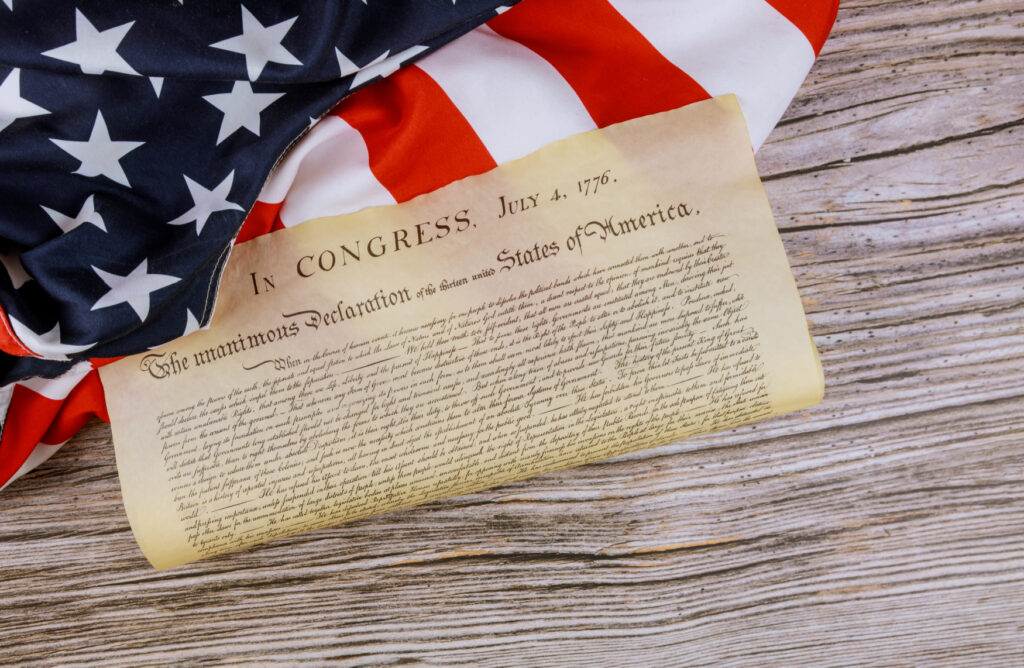
Adobe Stock/HTGanzo

That man was John Adams.
A lawyer, patriot, diplomat, vice president, and eventually the nation’s second president, Adams devoted his life to the cause of American independence. Yet perhaps one of his most remarkable moments came not on a battlefield or in the halls of government, but in a letter to his wife, Abigail.
Writing in July 1776, Adams predicted that America’s independence would be celebrated for generations with “pomp and parade… bonfires and illuminations from one end of this continent to the other.”
He was almost exactly right.
A Champion for Independence
When many colonial leaders still hoped reconciliation with Great Britain was possible, Adams believed the time had come to chart a new course.
He became one of the strongest advocates for independence in the Continental Congress, urging fellow delegates to embrace the difficult and uncertain path toward freedom.
His speeches were passionate, persuasive, and rooted in the belief that liberty was worth the risk.
Without leaders willing to make that case, the Declaration of Independence might never have been adopted.
A Partnership That Shaped History
Behind John Adams stood one of the most remarkable partnerships in American history.
His wife, Abigail Adams, was his closest adviser, trusted confidante, and intellectual equal. Their letters reveal thoughtful conversations about government, family, education, and the future of the new nation.
Separated for long periods by Adams’ public service, they maintained a correspondence that remains one of the richest collections of personal writing from America’s founding era.
Together, they demonstrated that leadership often begins at home.
A Prediction That Lives On
Ironically, Adams believed July 2—the day Congress voted for independence—would become America’s great national holiday.
The Declaration itself was formally adopted two days later, on July 4, and that became the date Americans celebrate.
Although he missed the exact day, his vision of how Americans would commemorate independence proved remarkably accurate.
Every year, communities gather for parades, concerts, patriotic ceremonies, family picnics, and spectacular fireworks displays—just as he imagined nearly 250 years ago.
Service Beyond the Revolution
Adams’ contributions didn’t end with independence.
He helped negotiate peace with Great Britain, served as America’s first vice president under George Washington, and later became the nation’s second president.
Throughout his career, he believed the success of the republic depended not only on strong leaders but on informed, engaged citizens committed to preserving liberty.
That conviction remains as relevant today as it was in 1776.
The American Spirit in Action
John Adams understood that freedom was never guaranteed.
It required courage to achieve, wisdom to preserve, and each generation’s commitment to carry it forward.
His prediction about America’s birthday wasn’t simply about fireworks.
It was about gratitude.
About remembering the sacrifices that made independence possible.
And about celebrating the enduring promise of a nation founded on the belief that people could govern themselves.
RECENT
🇺🇸 Why the Liberty Bell Doesn’t Actually Ring Anymore
Did You Know?

A Rock Star’s Road to Redemption
Entertainment
New York Community Replaces Defaced Declaration Replica
America
How Four Seconds Can Help Calm the Mind
Friday Fuel

Heather Jenkins and The Power of Intentional Rest
Health & Wellness

Kentucky Bridge Project Gets $24M Boost
American Infra

Arizona Extends Farm Water Fee Relief
In The States

Macaroni, Dive Bars and Sundaes: July 7 Gets Weird
Offbeat Observances

Michigan Storm Recovery Gets Bipartisan Federal Boost
In The States

Canada Says Goodbye To Country Gentleman Tommy Hunter
Entertainment
BE THE FIRST TO KNOW
Want to stay in the loop? Be the first to know! Sign up for our newsletter and get the latest stories, updates, and insider news delivered straight to your inbox.

More Content By
Think American News Staff🇺🇸 Why the Liberty Bell Doesn’t Actually Ring Anymore
Did You Know?
A Rock Star’s Road to Redemption
Entertainment
New York Community Replaces Defaced Declaration Replica
America
Kentucky Bridge Project Gets $24M Boost
American Infra
Arizona Extends Farm Water Fee Relief
In The States
Michigan Storm Recovery Gets Bipartisan Federal Boost
In The States
Canada Says Goodbye To Country Gentleman Tommy Hunter
Entertainment
PA Lawmakers Focus on Energy
Energy
John Adams Saw America’s Future Before Anyone Else
America
The Revolutionary Ideas Behind July 4
Did You Know?
View All Content By Think American News Staff