
Adobe Stock/Michelle
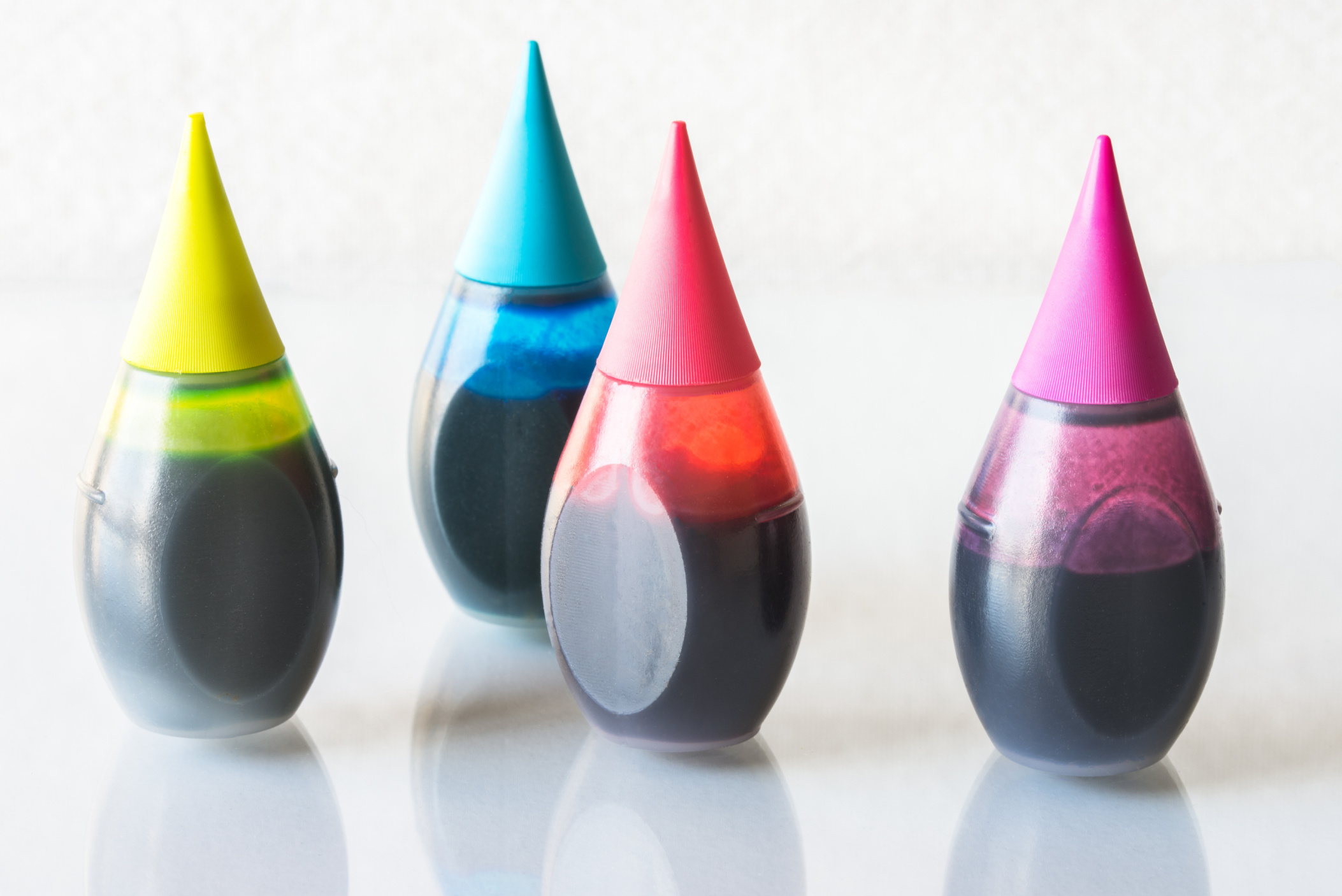
The Michigan House recently passed House Bill 5069, legislation that would amend the state’s Food Law by banning the sale of foods containing certain synthetic dyes and additives that supporters say have been linked to health concerns. The measure now moves through the legislative process for further consideration.
Targeting common food additives
Under House Bill 5069, beginning Jan. 1, 2029, food products sold in Michigan could no longer contain brominated vegetable oil, propylparaben, or several widely used artificial food dyes, including Red 40, Yellow 6, Blue 1, Blue 2 and Green 3.
The legislation also includes potassium bromate among the additives that would be prohibited.
Many of these ingredients have been used for decades in processed foods, candies, baked goods, beverages and snack products. While they remain approved for use by federal regulators in many products, several countries have placed restrictions on some of the additives or prohibited their use altogether.
Supporters of the legislation argue the delayed implementation date would provide manufacturers time to reformulate products before the restrictions take effect.
Supporters cite health concerns
Michigan House Speaker Matt Hall said the proposal is designed to improve food safety while increasing transparency for consumers.
“For too long, Americans have been consuming foods loaded with artificial dyes and chemical additives that have serious health concerns,” Hall said. “Many other countries have already restricted or banned them. Our families deserve better.”
Hall said the legislation would remove ingredients that have been linked in various studies to concerns including cancer risks, developmental issues, reproductive harm and behavioral problems in children.
“Parents should not need a chemistry degree to understand what is in their child’s food, nor should they have to worry about potentially harmful ingredients hiding behind complicated labels,” he said.
Supporters also say the legislation reflects a broader national effort to encourage healthier food standards and greater scrutiny of food ingredients commonly found in processed products.
Part of a broader national movement
The proposal comes as several states have adopted or considered similar legislation regulating food additives. California was among the first states to approve restrictions on several additives in recent years, while other state legislatures have introduced comparable measures.
The issue has also gained renewed national attention through the “Make America Healthy Again” movement, which has emphasized examining food ingredients, nutrition and chronic disease prevention.
Hall said House Bill 5069 is intended to encourage manufacturers to produce foods using ingredients viewed as safer alternatives.
“Families deserve confidence that the products on grocery store shelves are safe,” Hall said. “Removing these additives is a commonsense step toward improving public health, increasing transparency, and ensuring the next generation grows up healthier than the last.”
What comes next
If enacted, the law would take effect Jan. 1, 2029, giving food manufacturers approximately three years to comply with the new standards.
The legislation would apply to foods sold or offered for sale in Michigan and would add the new restrictions to the state’s existing Food Law.
Supporters say the measure represents a preventative public health approach aimed at reducing consumer exposure to ingredients they believe warrant additional scrutiny, while opponents in similar debates nationally have argued that federal regulators already oversee food safety and that additional state-by-state regulations could create challenges for manufacturers.
RECENT

Creating a Cozy Home That Supports Your Well-Being
Health & Wellness

Creating a Cozy Home That Supports Your Well-Being
Health & Wellness

5 Easy Ways to Prepare for the Next Season Before It Takes Over
Health & Wellness

Your 40s Aren’t Just About Hormones — They’re About Your Heart
Uncategorized

Wellness Benefits of Pumpkin Season
Health & Wellness

Fall Into Wellness: Creating a Healthier Autumn Routine
Health & Wellness

How to Prepare for Holiday Stress Before It Takes Over
Fitness

🇺🇸 Why the Liberty Bell Doesn’t Actually Ring Anymore
Did You Know?

A Rock Star’s Road to Redemption
Entertainment

New York Community Replaces Defaced Declaration Replica
America
BE THE FIRST TO KNOW
Want to stay in the loop? Be the first to know! Sign up for our newsletter and get the latest stories, updates, and insider news delivered straight to your inbox.

More Content By
Think American News Staff🇺🇸 Why the Liberty Bell Doesn’t Actually Ring Anymore
Did You Know?
A Rock Star’s Road to Redemption
Entertainment
New York Community Replaces Defaced Declaration Replica
America

Kentucky Bridge Project Gets $24M Boost
American Infra

Arizona Extends Farm Water Fee Relief
In The States

Michigan Storm Recovery Gets Bipartisan Federal Boost
In The States

Canada Says Goodbye To Country Gentleman Tommy Hunter
Entertainment

PA Lawmakers Focus on Energy
Energy

John Adams Saw America’s Future Before Anyone Else
America

The Revolutionary Ideas Behind July 4
Did You Know?
View All Content By Think American News Staff