Adobe Stock/VStudio
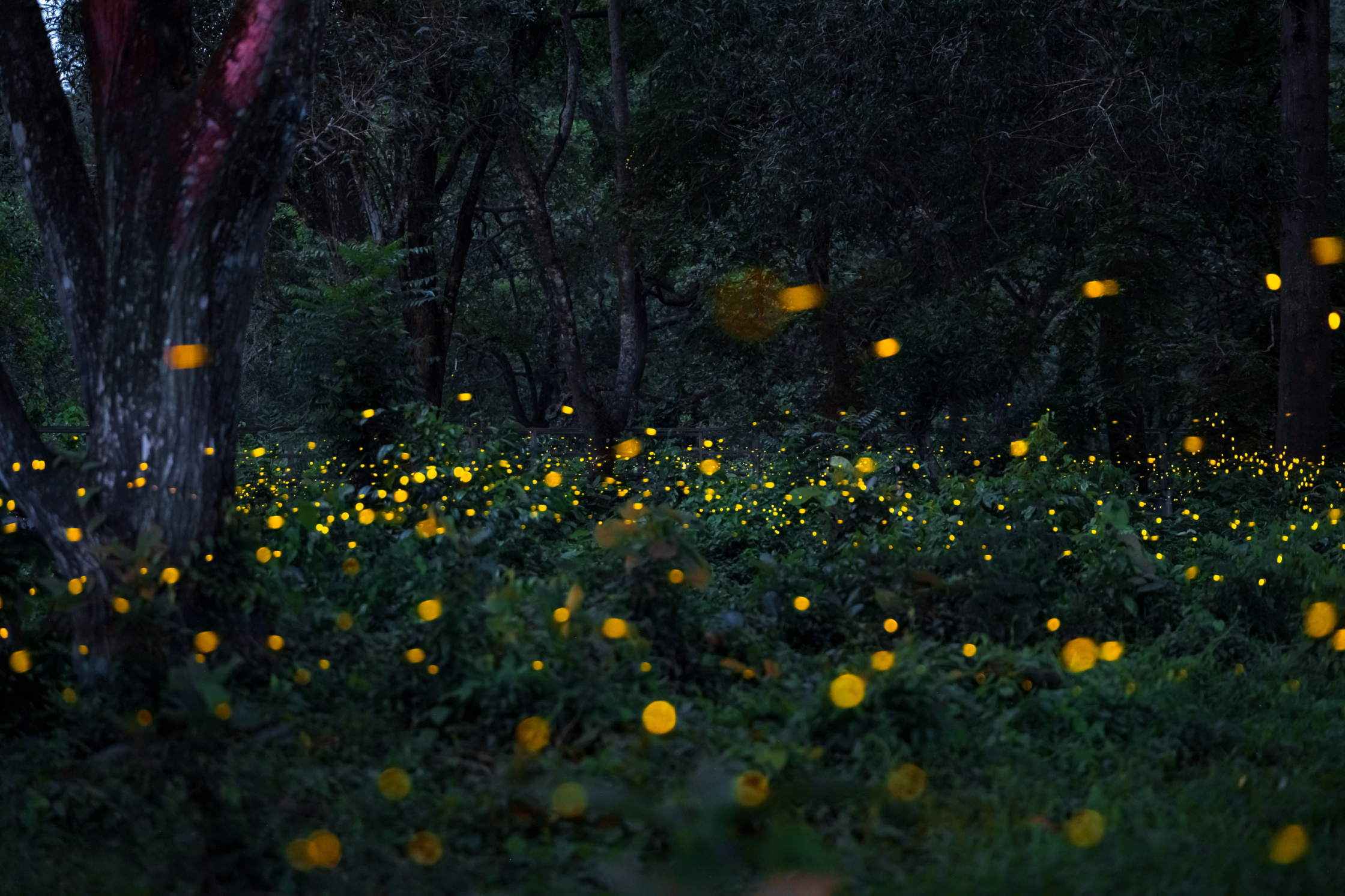
Few things say summer quite like the gentle glow of fireflies on a warm evening.
Whether you called them fireflies or lightning bugs growing up, there’s something magical about watching tiny lights dance across a backyard or meadow after the sun goes down. For many of us, they bring back memories of chasing them through the grass, catching them in jars for just a few minutes, and then letting them go.
But as enchanting as they seem, their glow isn’t magic at all.
It’s science.
And it’s one of nature’s most remarkable chemical reactions.
Nature’s Own Light Show
Fireflies produce light through a process called bioluminescence, which simply means “living light.”
Unlike a light bulb, which loses much of its energy as heat, a firefly’s glow is incredibly efficient. Scientists refer to it as “cold light” because nearly all of the energy produced becomes visible light instead of heat.
Inside a firefly’s abdomen, a natural chemical called luciferin reacts with oxygen. An enzyme called luciferase helps speed up the reaction, while a molecule known as ATP—the same energy source used by your own cells—provides the fuel.
The result is the familiar yellow, green, or sometimes orange glow that lights up summer nights.
It’s chemistry you can actually watch.
They’re Sending Messages
Those flashing lights aren’t random.
Fireflies are communicating.
Each species has its own unique flash pattern, almost like a secret code. Some flash once, others blink in rapid sequences, and some wait for a response before flashing again.
Most of these light signals are part of finding a mate.
A male may fly through the air flashing a particular rhythm, while a female hidden in the grass responds with a pattern of her own.
It’s one of the oldest conversations in nature—and it happens almost entirely through light.
Even Baby Fireflies Can Glow
Here’s something many people don’t know:
Fireflies can glow before they ever learn to fly.
The larvae, often called “glowworms,” produce light as well. Scientists believe this serves as a warning to predators, signaling that they may not make a tasty meal.
Nature often uses bright colors or lights to say, “Leave me alone.”
Fireflies are no exception.
Why We Don’t See as Many
If it seems like there are fewer fireflies today than when you were a child, you’re not imagining it.
Scientists have found that fireflies face growing challenges from habitat loss, excessive outdoor lighting, and the widespread use of pesticides.
Artificial light makes it harder for them to see one another’s flashing signals, interfering with their ability to reproduce.
Fortunately, even small changes can help.
Turning off unnecessary outdoor lights, planting native vegetation, and leaving part of your yard a little wild can create spaces where fireflies can thrive.
A Little Wonder Goes a Long Way
One of the best things about science is that it doesn’t take away the wonder of nature.
It deepens it.
Knowing that a firefly’s glow comes from an extraordinary chemical reaction doesn’t make a summer evening any less magical.
If anything, it makes it even more remarkable.
So the next time you see tiny lights flickering across the yard, take a moment to appreciate what’s happening.
You’re watching millions of years of evolution…
One tiny flash at a time.
RECENT
🇺🇸 Why the Liberty Bell Doesn’t Actually Ring Anymore
Did You Know?

A Rock Star’s Road to Redemption
Entertainment

New York Community Replaces Defaced Declaration Replica
America
How Four Seconds Can Help Calm the Mind
Friday Fuel

Heather Jenkins and The Power of Intentional Rest
Health & Wellness

Kentucky Bridge Project Gets $24M Boost
American Infra

Arizona Extends Farm Water Fee Relief
In The States

Macaroni, Dive Bars and Sundaes: July 7 Gets Weird
Offbeat Observances

Michigan Storm Recovery Gets Bipartisan Federal Boost
In The States

Canada Says Goodbye To Country Gentleman Tommy Hunter
Entertainment
BE THE FIRST TO KNOW
Want to stay in the loop? Be the first to know! Sign up for our newsletter and get the latest stories, updates, and insider news delivered straight to your inbox.

More Content By
Think American News Staff🇺🇸 Why the Liberty Bell Doesn’t Actually Ring Anymore
Did You Know?
A Rock Star’s Road to Redemption
Entertainment
New York Community Replaces Defaced Declaration Replica
America
Kentucky Bridge Project Gets $24M Boost
American Infra
Arizona Extends Farm Water Fee Relief
In The States
Michigan Storm Recovery Gets Bipartisan Federal Boost
In The States
Canada Says Goodbye To Country Gentleman Tommy Hunter
Entertainment

PA Lawmakers Focus on Energy
Energy

John Adams Saw America’s Future Before Anyone Else
America

The Revolutionary Ideas Behind July 4
Did You Know?
View All Content By Think American News Staff