May 14
In The States
NY Pushes Tougher Hospital Assault Penalties
Adobe Stock/DC Studio
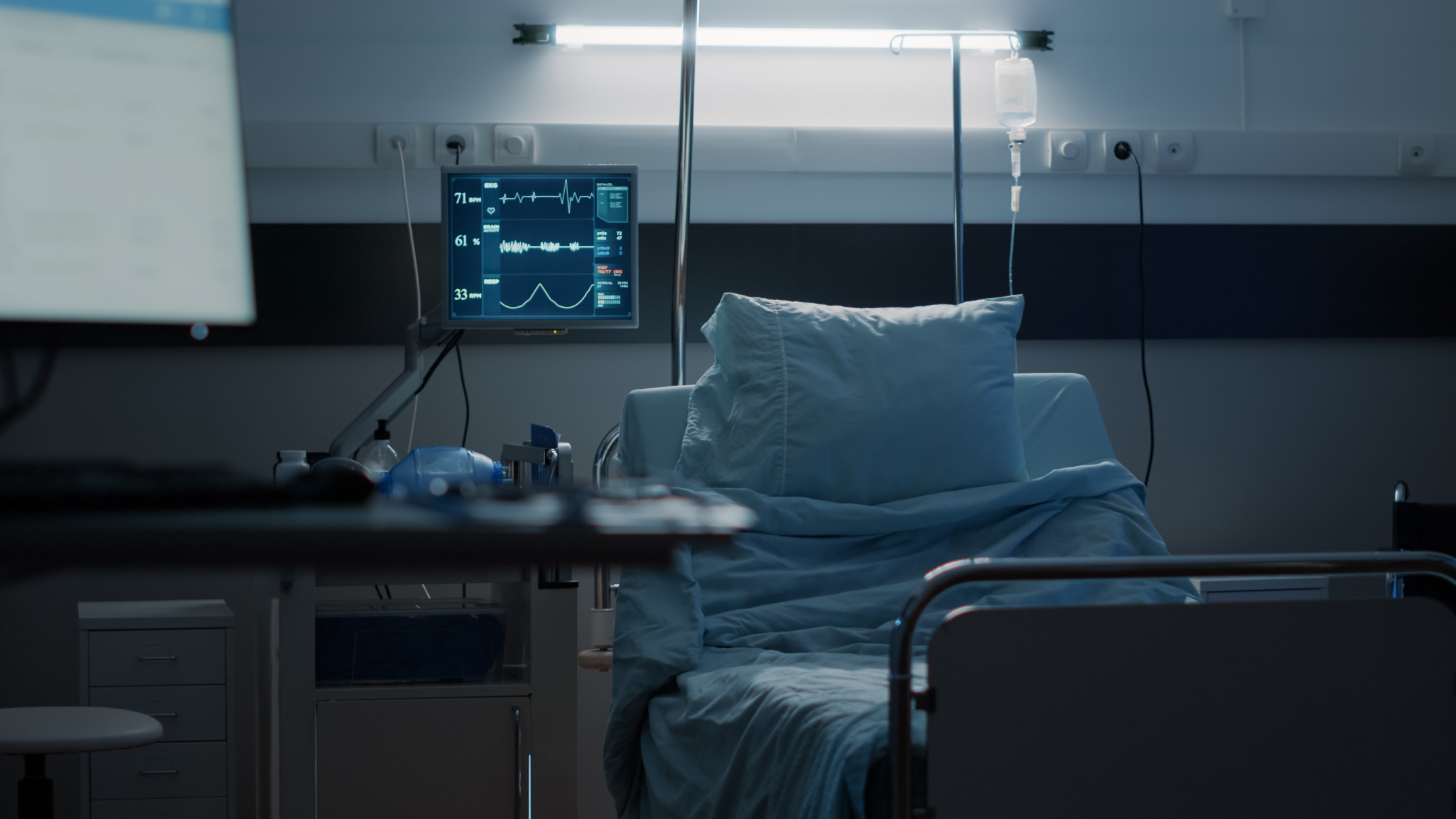
By pushing for tougher penalties and broader workplace protections, New York state Sen. Joseph Griffo is joining a growing national conversation about violence against healthcare workers and what hospitals, lawmakers, and communities can do to stop it.
Expanding Protections Beyond Emergency Rooms
Griffo’s proposed legislation, known as S.6662, would allow prosecutors to charge individuals with second-degree assault — a Class D felony — if they intentionally cause physical injury to healthcare workers performing their duties.
Current New York law already permits felony assault charges when registered nurses, licensed practical nurses, or emergency department medical personnel are attacked. Griffo’s proposal would significantly broaden those protections to include physicians, physician assistants, nurses, certified nursing assistants, ambulance personnel, hospital directors, medical staff, volunteers, and other healthcare employees acting in an official capacity.
Supporters of the measure say healthcare settings have become increasingly volatile, particularly in emergency departments and high-stress treatment areas where workers often face aggressive behavior from patients or visitors.
“Unfortunately, we have seen violent and aggressive behavior against healthcare workers rising across the nation,” Griffo said in a statement. “This is unacceptable.”
A National Workplace Safety Concern
Concerns about violence in healthcare settings are not limited to New York.
According to surveys cited by Griffo’s office, nearly half of emergency department physicians report being physically assaulted at work, while almost 70% of emergency nurses say they have been hit or kicked while on duty. A 2025 report from the American College of Surgeons, citing U.S. Bureau of Labor Statistics data, found healthcare workers are five times more likely to experience workplace violence than workers in other professions.
Hospital leaders and healthcare advocates have increasingly warned that threats, verbal abuse, and physical assaults are contributing to worker burnout, staffing shortages, and emotional trauma among caregivers already facing intense pressure.
Across the country, hospitals have begun investing more heavily in security measures, staff training, violence prevention programs, and mental health support systems aimed at improving workplace safety.
Recent Utica Hospital Assault Draws Attention
According to the Utica Police Department, a 28-year-old patient allegedly attacked a healthcare provider after becoming upset over a treatment discussion. Authorities said the patient allegedly struck the provider repeatedly in the head and face before staff members intervened. The injured provider was treated in the emergency room, and the suspect was later charged with felony second-degree assault.
The incident underscored concerns many healthcare professionals have voiced about the unpredictability and danger they can face while simply doing their jobs.
Policy Solutions Continue to Evolve
In addition to supporting stronger criminal penalties, Griffo also backed legislation requiring hospitals to establish workplace violence prevention programs and conduct annual safety and security assessments. That legislation was signed into law earlier this year.
SUNY Upstate’s “Respect and Heal Conference” brought together healthcare leaders and hospital staff from across Upstate New York to discuss strategies for creating safer healing environments and improving support systems for frontline caregivers.
As hospitals nationwide continue searching for ways to protect employees while maintaining compassionate patient care, workplace safety in healthcare settings is expected to remain a growing focus for lawmakers, administrators, and medical professionals alike.
RECENT

Heather Jenkins: Protecting Your Peace Starts Here
Uncategorized

Chris Cagle Goes Behind the Music
Entertainment
DAR Donation Helps Preserve Rare Texas Historical Documents
History

Wisconsin Lawmakers Strike Deal on Taxes and Schools
In The States

Offbeat Observances: America Celebrates Fudge and Odometers
Offbeat Observances

“Good Ol’ USA” Debuts Ahead of America250
Entertainment

Wisconsin Panel Tackles Manufacturing Challenges
In The States

Whitmer Highlights Support for Teachers Across Michigan
Education

Major Midwest Bridge Project Breaks Ground
American Infra

Milton Hershey and the Sweet Success Built on Failure
History
BE THE FIRST TO KNOW
Want to stay in the loop? Be the first to know! Sign up for our newsletter and get the latest stories, updates, and insider news delivered straight to your inbox.

More Content By
Think American News StaffNY Pushes Tougher Hospital Assault Penalties
In The States
Chris Cagle Goes Behind the Music
Entertainment
DAR Donation Helps Preserve Rare Texas Historical Documents
History
Wisconsin Lawmakers Strike Deal on Taxes and Schools
In The States
“Good Ol’ USA” Debuts Ahead of America250
Entertainment
Wisconsin Panel Tackles Manufacturing Challenges
In The States
Whitmer Highlights Support for Teachers Across Michigan
Education
Major Midwest Bridge Project Breaks Ground
American Infra
Milton Hershey and the Sweet Success Built on Failure
History

Democrats Face Questions Over Withheld 2024 Review
Elections
View All Content By Think American News Staff