Kenton County, Kentucky Commonwealth Attorney's Office

A Guilty Plea in a Tragic Case
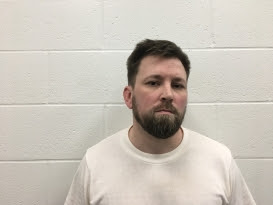
On May 5, 2026, Wyatt J. Testerman pleaded “guilty but mentally ill” to a charge of murder in the death of his grandmother, 74-year-old Cheri Oliver. The plea was entered without a negotiated agreement, meaning sentencing will be determined by the court following arguments from both sides.
Kenton County Commonwealth’s Attorney Rob Sanders has already made clear his intent to pursue the maximum penalty under Kentucky law: life in prison. Final sentencing is scheduled for July 7, 2026, before Kenton Circuit Judge Patricia Summe.
Under Kentucky law, a “guilty but mentally ill” plea is treated the same as a standard guilty plea in terms of conviction and sentencing. The distinction allows for mental health treatment while the individual is incarcerated, typically in a prison medical facility before transitioning to the general population.
Details of the Investigation
The case stems from an incident on October 8, 2024, when Erlanger police were dispatched to a home on Ridgewood Drive for a welfare check. The call was quickly escalated to an active assault while officers were en route.
Authorities reported finding Testerman outside the residence, while inside they discovered Oliver unresponsive. She was transported to a nearby medical center, where she was later pronounced deceased. According to the autopsy, the cause of death was massive blunt force trauma to the head.
Witness accounts, including statements from family members, indicated that the attack occurred inside the home. Investigators also recovered physical evidence connected to the incident.
Digital Evidence and Legal Proceedings
During the investigation, law enforcement recovered the victim’s cell phone. A forensic analysis revealed video evidence that prosecutors described as central to the case. According to court statements, the footage documented key moments surrounding the incident and was later reviewed as part of the legal proceedings.
The existence of this evidence played a significant role in how the case moved forward, including the defendant’s decision to enter a plea rather than proceed to trial.
Mental Health and Legal Considerations
Initially, Testerman’s defense indicated plans to pursue an insanity defense. However, psychological evaluations conducted by experts for both the defense and prosecution concluded that any psychosis he may have experienced was likely linked to substance use.
Under Kentucky law, an insanity defense is not applicable if the condition is determined to have been caused by voluntary intoxication. In court, Testerman acknowledged prior use of LSD leading up to the incident.
These findings ultimately shaped the legal strategy and contributed to the decision to enter a “guilty but mentally ill” plea.
Prosecution Seeks Maximum Sentence
Commonwealth’s Attorney Rob Sanders emphasized the seriousness of the case and the reasoning behind his office’s position on sentencing. He stated that multiple plea proposals had been discussed but rejected, as they did not meet the threshold his office believed was appropriate given the nature of the crime.
Sanders told the court he intends to argue that a life sentence is necessary, citing concerns about public safety and the severity of the offense.
A Community Awaits Closure
As the case moves toward sentencing, the Erlanger and broader Kenton County community continues to process the loss and the circumstances surrounding it. The upcoming July hearing will mark the final phase of the legal process, where the court will determine Testerman’s sentence.
While the legal proceedings are nearing conclusion, the case remains a stark reminder of the complexities that can arise at the intersection of criminal behavior, mental health, and substance use—and the lasting impact such events have on families and communities.
RECENT

Creating a Cozy Home That Supports Your Well-Being
Health & Wellness

Creating a Cozy Home That Supports Your Well-Being
Health & Wellness

5 Easy Ways to Prepare for the Next Season Before It Takes Over
Health & Wellness

Your 40s Aren’t Just About Hormones — They’re About Your Heart
Uncategorized

Wellness Benefits of Pumpkin Season
Health & Wellness

Fall Into Wellness: Creating a Healthier Autumn Routine
Health & Wellness

How to Prepare for Holiday Stress Before It Takes Over
Fitness

🇺🇸 Why the Liberty Bell Doesn’t Actually Ring Anymore
Did You Know?

A Rock Star’s Road to Redemption
Entertainment

New York Community Replaces Defaced Declaration Replica
America
BE THE FIRST TO KNOW
Want to stay in the loop? Be the first to know! Sign up for our newsletter and get the latest stories, updates, and insider news delivered straight to your inbox.

More Content By
Think American News Staff🇺🇸 Why the Liberty Bell Doesn’t Actually Ring Anymore
Did You Know?
A Rock Star’s Road to Redemption
Entertainment
New York Community Replaces Defaced Declaration Replica
America

Kentucky Bridge Project Gets $24M Boost
American Infra

Arizona Extends Farm Water Fee Relief
In The States

Michigan Storm Recovery Gets Bipartisan Federal Boost
In The States

Canada Says Goodbye To Country Gentleman Tommy Hunter
Entertainment

PA Lawmakers Focus on Energy
Energy

John Adams Saw America’s Future Before Anyone Else
America

The Revolutionary Ideas Behind July 4
Did You Know?
View All Content By Think American News Staff