Apr 23
Health & Wellness
Awareness Month Sparks Paraquat Debate in PA
Adobe Stock/Kritchai
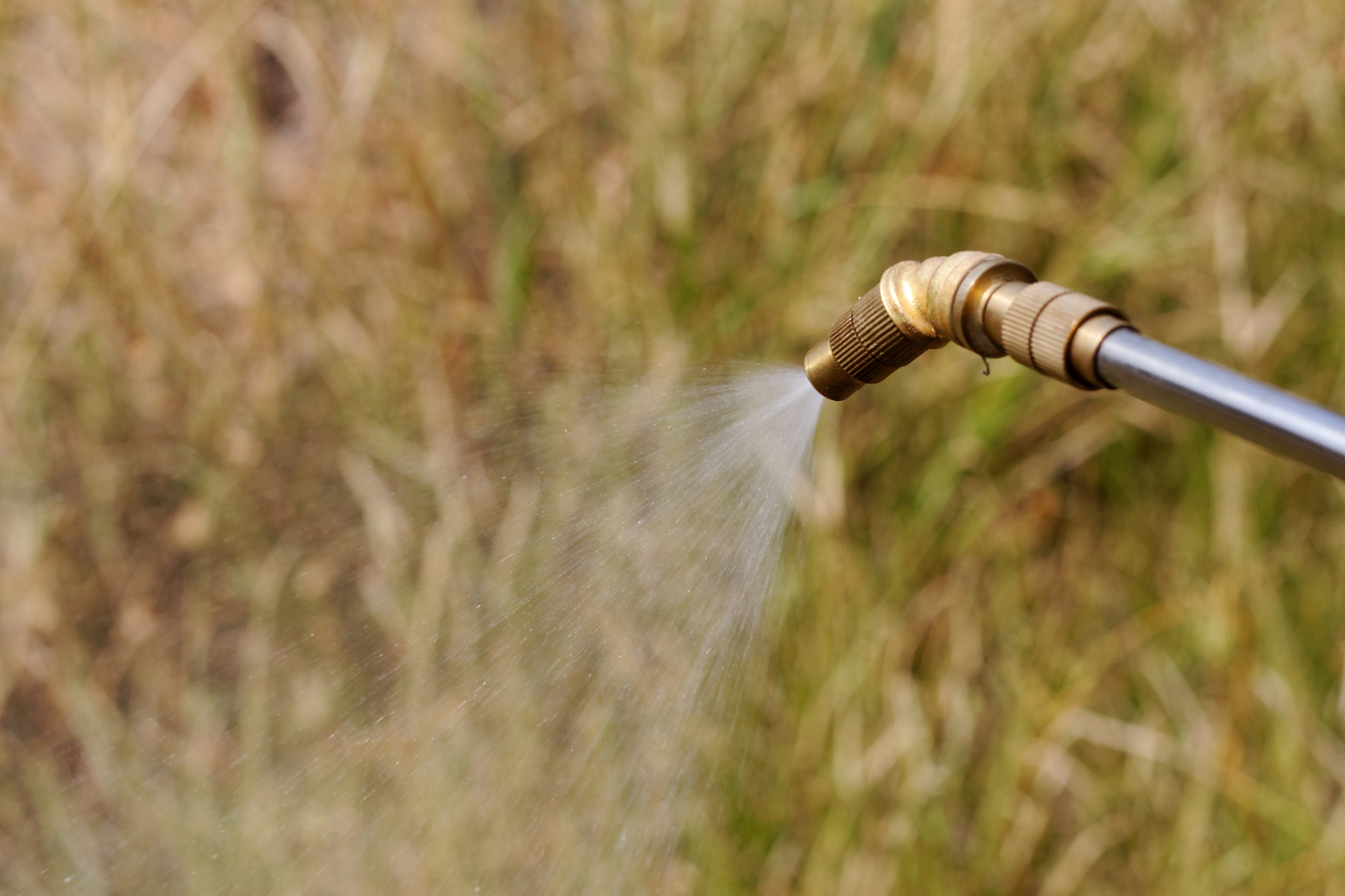
A year after first introducing legislation to ban paraquat, Pennsylvania lawmakers are keeping the issue front and center—driven by ongoing concerns about public health and the growing impact of Parkinson’s disease across the state.
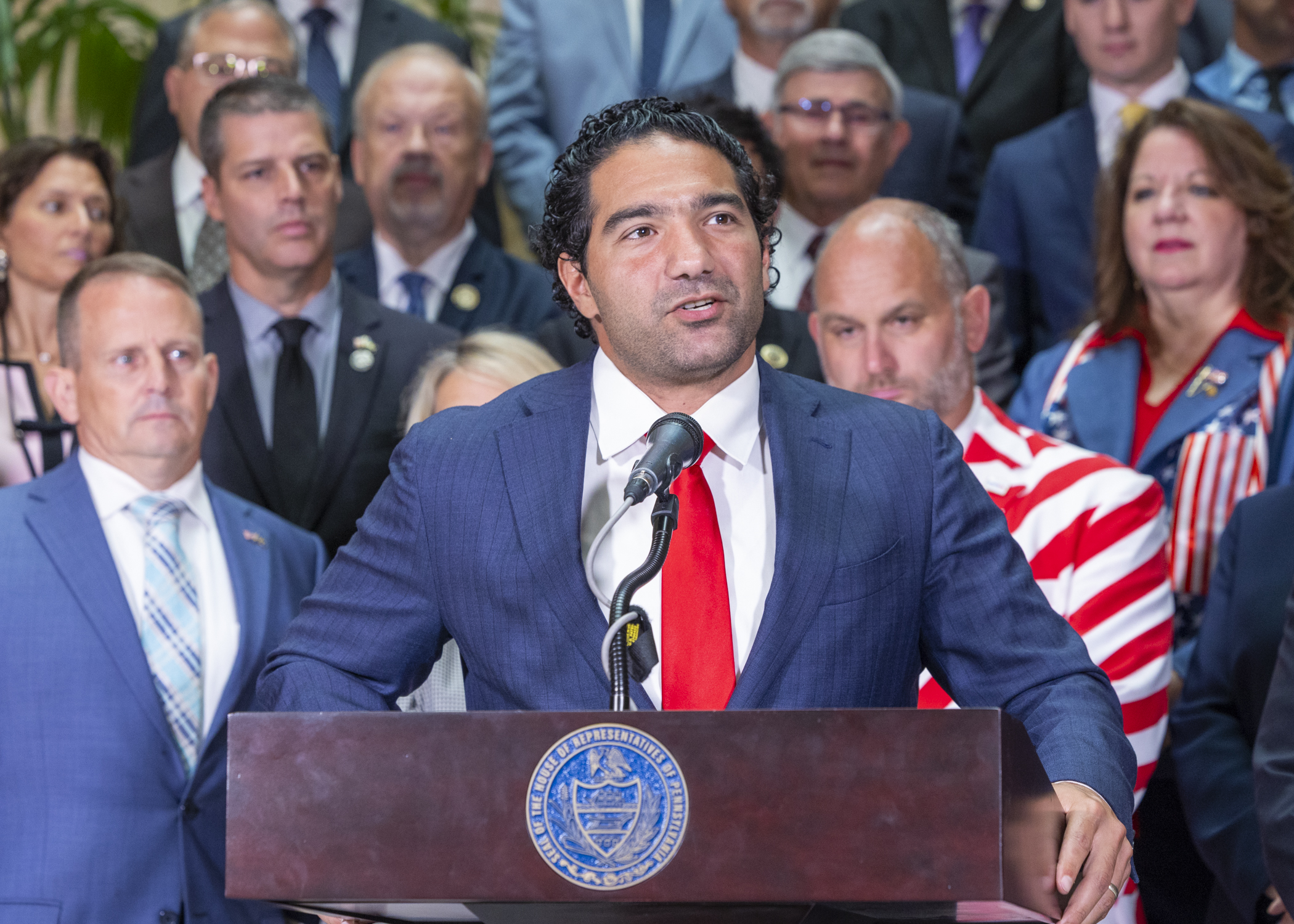
Leading that effort is Natalie Mihalek, who first put forward the proposal in April 2025. Now, with renewed attention during Parkinson’s Awareness Month, the push to eliminate the controversial herbicide is gaining fresh urgency.
A Year Later, the Concern Hasn’t Faded
When Mihalek introduced the measure last year, the goal was clear: take a closer look at a chemical that has been widely used in agriculture but increasingly questioned for its safety.
“This chemical is one of the deadliest herbicides ever used in American agriculture,” Mihalek said.
That concern hasn’t diminished over time. Instead, supporters say it has only grown stronger as awareness has increased and more attention has been placed on potential long-term health risks.
Why Paraquat Remains in the Spotlight
Paraquat has long been valued for its effectiveness as a weed killer, but its toxicity has made it one of the most debated agricultural chemicals still in use.
The proposal introduced by Mihalek would make it unlawful to use paraquat in Pennsylvania, clearly defining the substance and its related compounds to ensure a comprehensive ban. It also includes a one-year implementation period, allowing time for farmers and regulators to adapt.
But beyond the policy details, the issue is being driven by something more personal: the impact on families.
The Parkinson’s Connection Driving Action
“It has been linked to Parkinson’s disease,” Mihalek said, pointing to a growing body of concern surrounding the chemical.
April’s designation as Parkinson’s Awareness Month has brought renewed focus to the issue, giving lawmakers an opportunity to revisit the conversation and highlight the stakes.
“Pennsylvania has one of the highest rates of Parkinson’s disease in the nation,” she noted.
That reality has turned what might otherwise be a technical policy debate into a deeply human one.
A Stark Reminder Behind the Numbers
The urgency behind the push is reflected in the toll the disease continues to take.
“As we lost nearly 2,000 people just last year from this disease,” Mihalek said.
For supporters, those numbers reinforce the need to act—especially when potential risk factors are within the state’s control.
“That is why I have introduced this legislation,” she added, tying the effort directly to the broader goal of prevention.
Bipartisan Support Builds Over Time
Over the past year, the proposal has drawn a wide range of support from lawmakers on both sides of the aisle, signaling that the issue resonates beyond party lines.
Co-sponsors include Melissa Shusterman, David Rowe, Jennifer O’Mara, and Ryan Warner, along with dozens of others across the Commonwealth.
That level of bipartisan backing suggests the conversation is evolving—from a single proposal into a broader policy discussion.
What Comes Next
If ultimately enacted, the measure would amend Pennsylvania’s pesticide law to prohibit paraquat statewide and establish a consistent regulatory standard.
In practical terms, it would eliminate the use of the chemical entirely once the law takes effect.
“This bill… proposes to prohibit the use of Paraquat in Pennsylvania,” Mihalek said.
A Debate That’s Not Going Away
A year after it was first introduced, the proposal is no longer just a new idea—it’s part of an ongoing conversation about how Pennsylvania approaches public health, environmental safety, and agricultural practices.
As the conversation continues, one thing is clear: the issue isn’t fading. If anything, it’s gaining momentum.
RECENT
🇺🇸 Why the Liberty Bell Doesn’t Actually Ring Anymore
Did You Know?

A Rock Star’s Road to Redemption
Entertainment
New York Community Replaces Defaced Declaration Replica
America

How Four Seconds Can Help Calm the Mind
Friday Fuel

Heather Jenkins and The Power of Intentional Rest
Health & Wellness

Kentucky Bridge Project Gets $24M Boost
American Infra
Arizona Extends Farm Water Fee Relief
In The States

Macaroni, Dive Bars and Sundaes: July 7 Gets Weird
Offbeat Observances

Michigan Storm Recovery Gets Bipartisan Federal Boost
In The States

Canada Says Goodbye To Country Gentleman Tommy Hunter
Entertainment
BE THE FIRST TO KNOW
Want to stay in the loop? Be the first to know! Sign up for our newsletter and get the latest stories, updates, and insider news delivered straight to your inbox.

More Content By
Think American News Staff🇺🇸 Why the Liberty Bell Doesn’t Actually Ring Anymore
Did You Know?
A Rock Star’s Road to Redemption
Entertainment
New York Community Replaces Defaced Declaration Replica
America
Kentucky Bridge Project Gets $24M Boost
American Infra
Arizona Extends Farm Water Fee Relief
In The States
Michigan Storm Recovery Gets Bipartisan Federal Boost
In The States
Canada Says Goodbye To Country Gentleman Tommy Hunter
Entertainment
PA Lawmakers Focus on Energy
Energy

John Adams Saw America’s Future Before Anyone Else
America

The Revolutionary Ideas Behind July 4
Did You Know?
View All Content By Think American News Staff