
Adobe Stock/Gstudio

Easter doesn’t usually arrive with a lot of noise.
It’s not a holiday that demands attention the way others do. It shows up a little softer. A little steadier. Somewhere between the last chill of winter and the first real warmth of spring, it slips in and, if you’re paying attention, asks you to slow down.
Not everything has to be rushed. Not everything has to be loud.
And maybe that’s the point.
A Different Kind of Reset
We spend a lot of time chasing the idea of a “fresh start.” New routines, new goals, new plans. But most of those resets are external—they live on calendars and to-do lists.
Easter feels different.
It’s quieter than that. More personal.
It asks less about what you’re going to accomplish and more about who you’re becoming. It’s a moment to take stock—not of what you’ve built, but of how you’ve been showing up along the way.
Have you been patient?
Have you been present?
Have you been kind?
Those aren’t questions we’re used to asking ourselves every day. But maybe we should be.
We’re Not Meant to Do This Alone
There’s something about this time of year that pulls people back together.
Families that haven’t sat at the same table in a while find their way there. Friends check in. Invitations get extended. People make the effort—even if life has been busy, even if things have drifted.
And for a moment, it feels like things line up again.
We’re reminded that connection doesn’t have to be complicated. It doesn’t have to be perfect. It just has to be intentional.
You show up. You listen. You stay a little longer than you planned.
That’s how community works—not in big declarations, but in small decisions to be there for one another.
Kindness, Without the Spotlight
Kindness has a strange reputation these days. It’s either treated like a grand gesture or dismissed as something too simple to matter.
But most of the kindness that actually changes people’s lives is the kind no one sees.
It’s checking in on someone when you don’t have to.
It’s offering help without being asked.
It’s choosing not to snap back, even when you could.
There’s no audience for those moments. No recognition. No reward.
And yet, they’re the ones that stick.
Easter has a way of bringing that back into focus—not through instructions, but through example. It reminds us that the way we treat people, especially in the small, everyday moments, is where everything starts.
What It All Comes Back To
If you strip away the schedules, the expectations, and all the noise we tend to carry with us, Easter is really about something simple.
It’s about hope—not the kind you post about, but the kind you hold onto quietly when things aren’t easy.
It’s about second chances—not just the big, life-altering ones, but the small opportunities we get every day to do better than we did before.
And it’s about remembering that the people around us matter more than most of the things we spend our time worrying about.
That’s easy to forget. It’s also easy to come back to.
Carrying It Forward
The thing about Easter is that it doesn’t stay contained to one day—at least, it doesn’t have to.
The real question isn’t how we spend the holiday. It’s what we take with us after it’s over.
Do we keep making the call?
Do we keep showing up?
Do we keep choosing patience, even when it’s inconvenient?
Those are small choices. But they add up.
And over time, they shape the kind of lives we live—and the kind of communities we’re part of.
Easter doesn’t ask for perfection. It doesn’t expect you to get everything right.
It just offers a moment to pause, reset, and remember what matters.
The rest is up to us.
RECENT
🇺🇸 Why the Liberty Bell Doesn’t Actually Ring Anymore
Did You Know?

A Rock Star’s Road to Redemption
Entertainment

New York Community Replaces Defaced Declaration Replica
America
How Four Seconds Can Help Calm the Mind
Friday Fuel

Heather Jenkins and The Power of Intentional Rest
Health & Wellness

Kentucky Bridge Project Gets $24M Boost
American Infra

Arizona Extends Farm Water Fee Relief
In The States

Macaroni, Dive Bars and Sundaes: July 7 Gets Weird
Offbeat Observances
Michigan Storm Recovery Gets Bipartisan Federal Boost
In The States

Canada Says Goodbye To Country Gentleman Tommy Hunter
Entertainment
BE THE FIRST TO KNOW
Want to stay in the loop? Be the first to know! Sign up for our newsletter and get the latest stories, updates, and insider news delivered straight to your inbox.

More Content By
Quinn Harper
Faithfulness Is More Than Marriage
Marriage
When Disagreement Becomes Contempt
Opinion

The People We Take for Granted
Opinion

Freedom Was Never Free—And We Shouldn’t Live Like It Was
America
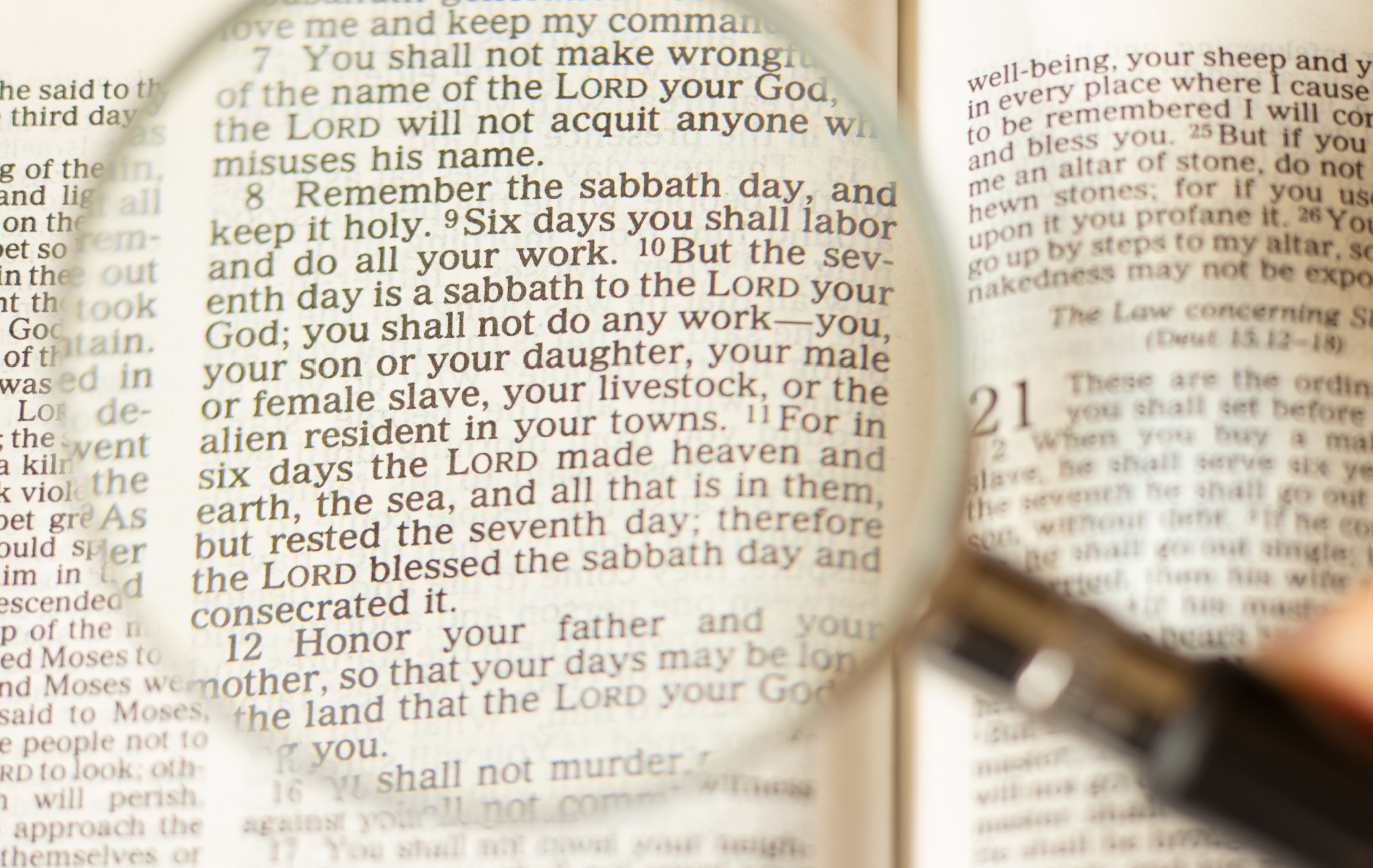
Maybe We’ve Forgotten How to Rest
Opinion

Faith, Words, and Integrity
Opinion

We Don’t Bow to Idols Anymore—Or Do We?
Opinion
Where Faith Meets Real Life
Opinion

Is Gen Z Finding Faith Again? Not So Fast
Opinion

After Easter: Now What? Living the Resurrection in Everyday Life
Opinion
View All Content By Quinn Harper