
Adobe Stock/erllre

As tensions with Iran continue to shape U.S. foreign policy discussions, new analysis from the Winston Group suggests the political debate surrounding military action is becoming more complex—particularly among Republican voters.
In the firm’s latest WG Discussion Points memo, pollster David Winston argues that public support for confronting Iran will ultimately depend on whether voters believe such action is clearly tied to America’s national security.
Foreign Policy Debate Growing More Complicated
Within the Republican Party, the foreign policy conversation has shifted in recent years. According to the Winston Group, the debate is no longer simply between interventionists and isolationists.
Instead, voters are balancing two competing concerns: the need to confront adversaries like Iran, Russia and China, and the desire to avoid prolonged international conflicts.
Economic pressures also play a role. After several years marked by high inflation and rising living costs, voters are increasingly cautious about the financial and strategic costs of foreign engagements.
That economic backdrop is raising the threshold for how the electorate evaluates U.S. involvement in overseas conflicts.
Adversaries Seen as Emboldened
Many voters believe America’s global adversaries have become more aggressive in recent years.
Research conducted by the Winston Group in April 2024 found that 55% of voters believe U.S. adversaries such as Iran, Russia and China were emboldened after the United States’ withdrawal from Afghanistan in 2021. Only 19% disagreed.
The chaotic end to the Afghanistan war remains a key reference point for voters evaluating U.S. strength on the global stage.
For some Americans, that episode signaled a weakening of U.S. standing in the world.
Concerns About ‘Endless Wars’ Remain Strong
At the same time, voters also worry that the United States may be stretched too thin internationally.
Polling from June 2025 found that 53% of voters believe the U.S. is overstretched by funding and providing military assistance in global conflicts. Only 30% disagreed.
Among Republicans, that concern was even stronger. The survey found 68% of Republicans and 70% of Trump voters agreed the country should focus more on rebuilding domestically rather than expanding foreign commitments.
These concerns echo long-running debates over America’s involvement in extended overseas conflicts.
Republicans Balancing Two Risks
The data suggests Republican voters are weighing two competing risks.
According to April 2025 research cited in the memo, 51% of Republicans said they are more worried about the United States getting pulled into costly, endless wars, while 42% said they are more concerned about emboldened adversaries.
While the margin is not overwhelming, it highlights the balancing act many voters are performing when evaluating foreign policy decisions.
Both concerns remain significant in shaping public opinion.
The Case the Administration Must Make
According to Winston, public support for military action against Iran will depend on how clearly the administration connects the issue to U.S. security interests.
The White House has been emphasizing that any action toward Iran is not intended to create another prolonged conflict but rather to eliminate the threat posed by Iran’s nuclear ambitions and decades of attacks on Americans.
In Winston’s view, the central political question remains straightforward: Does the electorate believe confronting Iran is clearly necessary for U.S. security?
If voters are convinced the answer is yes, support for action could strengthen.
If not, managing domestic political support may become significantly more difficult.
RECENT

Irish Americans Who Helped Build the United States
Did You Know?

Wisconsin Lawmaker Steps “On the Job” with Local Workers
Economy

Weekend Adventures Await
Dating

Four Centuries of Texas History Preserved in Major Map Donation
History

Why Those Neon Snack Colors Are Starting to Disappear
Friday Fuel

When Love Means Letting Go
Animals

Georgia Looks to Rewrite the Story on Early Reading
Education

A Fresh Start for Spring: Nourish to Flourish with Heather Jenkins
Health & Wellness
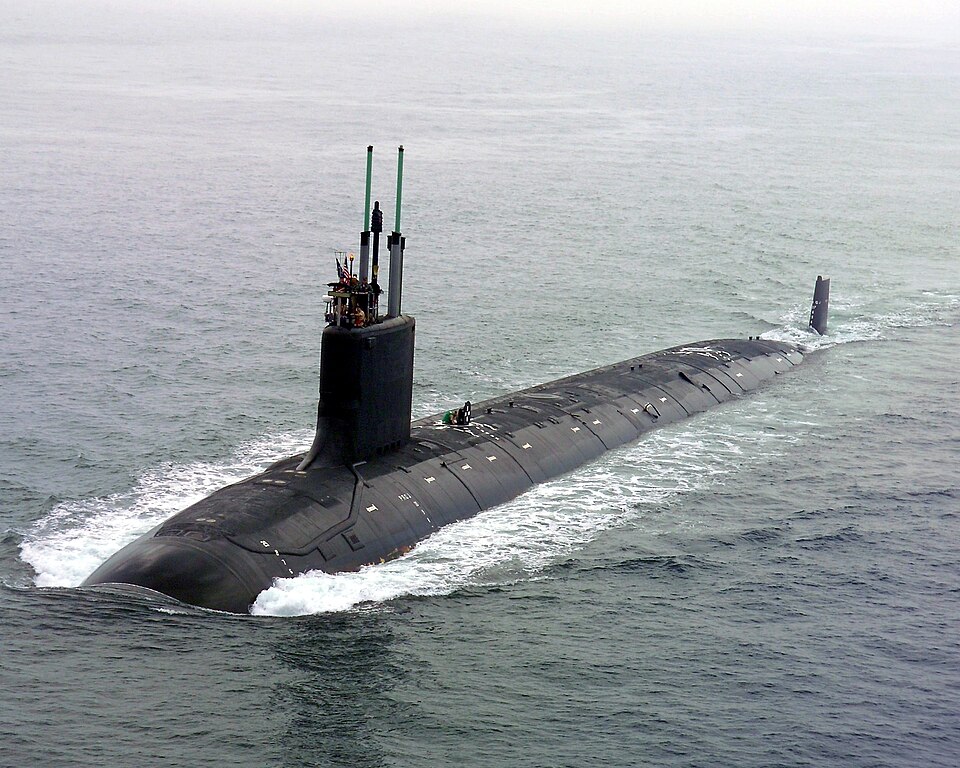
Arizona House to Honor Crew of PCU Arizona
In Service

Classic Country Comes Alive on LIVE WIRE
Entertainment
BE THE FIRST TO KNOW
Want to stay in the loop? Be the first to know! Sign up for our newsletter and get the latest stories, updates, and insider news delivered straight to your inbox.

More Content By
Think American News StaffIrish Americans Who Helped Build the United States
Did You Know?
Wisconsin Lawmaker Steps “On the Job” with Local Workers
Economy
Weekend Adventures Await
Dating
Four Centuries of Texas History Preserved in Major Map Donation
History
Georgia Looks to Rewrite the Story on Early Reading
Education
Arizona House to Honor Crew of PCU Arizona
In Service
Classic Country Comes Alive on LIVE WIRE
Entertainment

Arizona House Toughens Sexual Extortion Law
In The States

Michigan Students Invited to Compete for “Representative for a Day”
Education

A Statewide Celebration of Stories, Learning, and Lifelong Literacy in Michigan
Education
View All Content By Think American News Staff