NASA

Astronomers have unveiled one of the most striking images yet of the Cat’s Eye Nebula, a mesmerizing cloud of gas formed by a dying star roughly 4,400 light-years from Earth in the constellation Draco.
The new image combines observations from NASA and ESA’s Hubble Space Telescope and the European Space Agency’s Euclid space telescope, offering an extraordinary view of the nebula’s intricate layers, glowing shells, and high-speed jets of gas.
Together, the two observatories provide a powerful cosmic perspective—revealing both the fine details of the nebula’s center and the broader structure surrounding it.
A Cosmic Masterpiece of Stellar Death
The Cat’s Eye Nebula, formally known as NGC 6543, is a planetary nebula—a type of glowing gas cloud created when a star similar in size to our Sun reaches the final stages of its life.
As the star runs out of fuel, it sheds its outer layers into space. Those expanding shells of gas form colorful, luminous patterns that astronomers can observe with powerful telescopes.
Planetary nebulae earned their name centuries ago because early astronomers believed their round shapes resembled planets when viewed through primitive telescopes. Later studies revealed they are actually the spectacular remains of dying stars.
The Cat’s Eye Nebula played a key role in that discovery in 1864, when astronomers analyzed its light spectrum and identified the chemical signatures of glowing gas.
Hubble’s Close-Up Reveals Incredible Detail
The Hubble Space Telescope provides an extraordinary close-up of the nebula’s core, capturing structures that appear almost surreal.
The new image reveals overlapping bubbles of gas, high-speed jets, and concentric shells radiating outward from the central star.
These formations are thought to be created by repeated bursts of material expelled by the dying star over time. Astronomers describe them as a kind of cosmic fossil record, preserving evidence of the star’s final stages of evolution.
Much of the new image comes from previously unused data collected by Hubble’s Advanced Camera for Surveys, combined with modern image-processing techniques to produce the sharpest view yet of the nebula.
Euclid Expands the View
While Hubble zooms in on the intricate heart of the nebula, the Euclid space telescope captures a much wider perspective.
Euclid’s deep-space imaging reveals the nebula surrounded by a halo of gas fragments that were expelled during earlier phases of the star’s life. Beyond that lies a breathtaking background filled with distant galaxies and stars, demonstrating how objects relatively close to Earth exist within a much larger cosmic tapestry.
Originally designed to map the distant universe and study dark matter and dark energy, Euclid’s powerful imaging capabilities also allow it to capture spectacular nearby cosmic objects like the Cat’s Eye Nebula.
Two Telescopes, One Cosmic Story
By combining Hubble’s high-resolution images with Euclid’s wide-field observations, scientists gain a far more complete understanding of how stars evolve and die.
The result is not just a beautiful image—it is a window into the complex processes that shape the universe.
Together, the two observatories reveal how the delicate structures of a dying star can exist against the vast backdrop of galaxies millions or even billions of light-years away.
It’s a reminder that even in stellar death, the universe can create something breathtaking.
RECENT
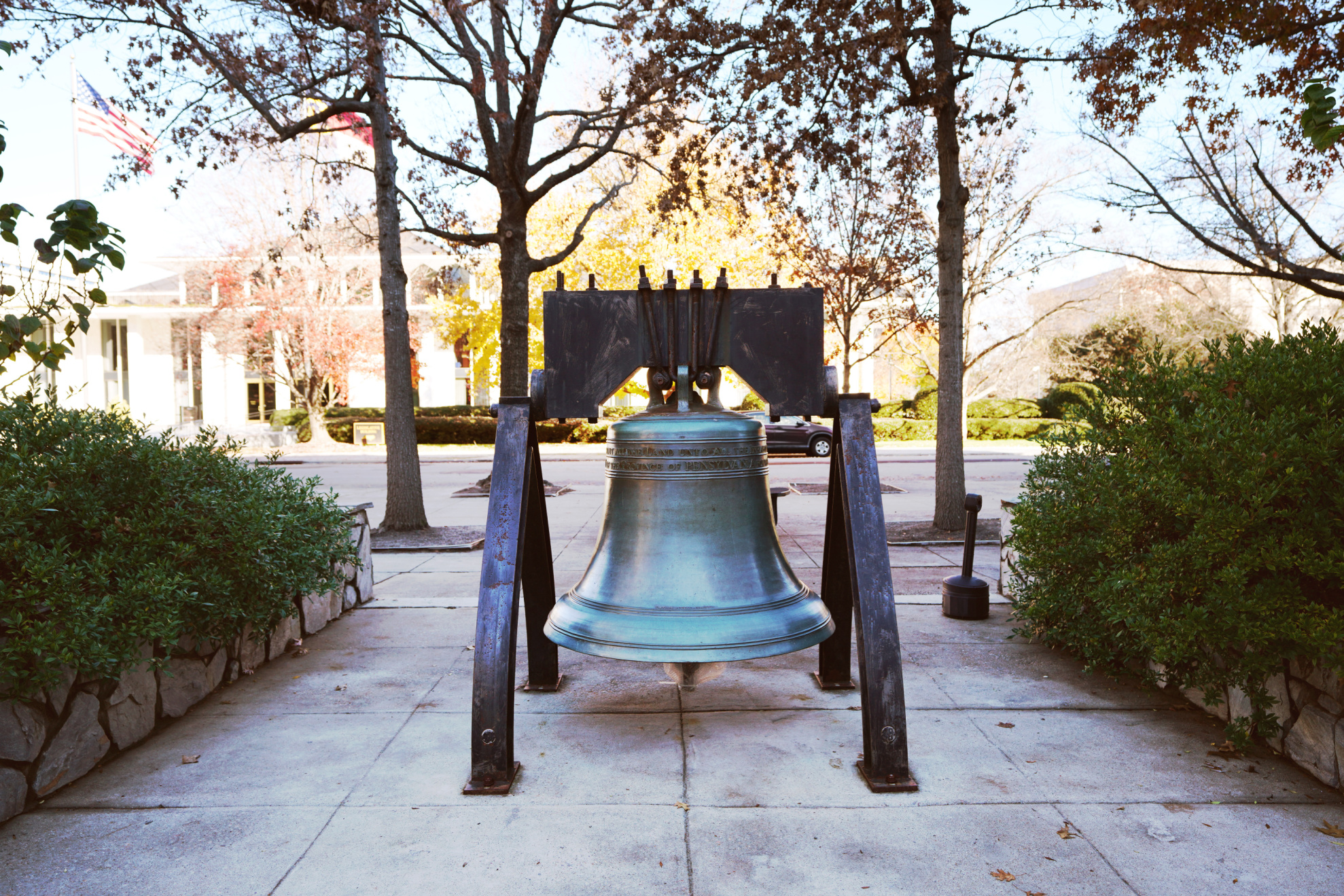
🇺🇸 Why the Liberty Bell Doesn’t Actually Ring Anymore
Did You Know?

A Rock Star’s Road to Redemption
Entertainment

New York Community Replaces Defaced Declaration Replica
America

How Four Seconds Can Help Calm the Mind
Friday Fuel

Heather Jenkins and The Power of Intentional Rest
Health & Wellness

Kentucky Bridge Project Gets $24M Boost
American Infra
Arizona Extends Farm Water Fee Relief
In The States

Macaroni, Dive Bars and Sundaes: July 7 Gets Weird
Offbeat Observances

Michigan Storm Recovery Gets Bipartisan Federal Boost
In The States

Canada Says Goodbye To Country Gentleman Tommy Hunter
Entertainment
BE THE FIRST TO KNOW
Want to stay in the loop? Be the first to know! Sign up for our newsletter and get the latest stories, updates, and insider news delivered straight to your inbox.

More Content By
Think American News Staff🇺🇸 Why the Liberty Bell Doesn’t Actually Ring Anymore
Did You Know?
A Rock Star’s Road to Redemption
Entertainment
New York Community Replaces Defaced Declaration Replica
America
Kentucky Bridge Project Gets $24M Boost
American Infra
Arizona Extends Farm Water Fee Relief
In The States
Michigan Storm Recovery Gets Bipartisan Federal Boost
In The States
Canada Says Goodbye To Country Gentleman Tommy Hunter
Entertainment

PA Lawmakers Focus on Energy
Energy

John Adams Saw America’s Future Before Anyone Else
America

The Revolutionary Ideas Behind July 4
Did You Know?
View All Content By Think American News Staff