
Adobe Stock/CrazyCloud
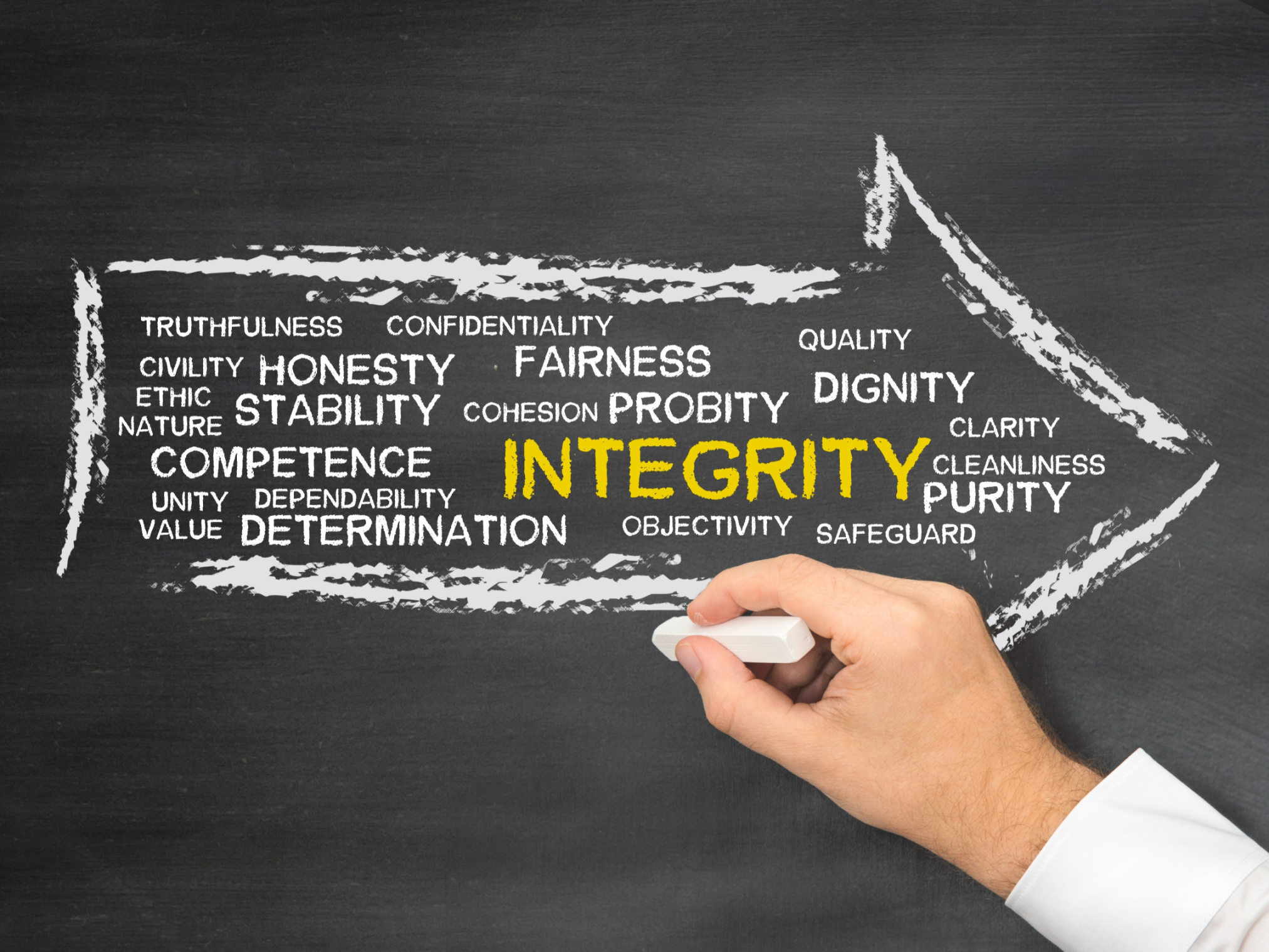
When Movements Lose the Moral High Ground
Trust is the currency of civic life. Once it’s spent recklessly, it is almost impossible to recover. That reality sits at the center of the federal charges now facing the former executive director of Black Lives Matter Oklahoma City—a case that, regardless of how it ultimately resolves in court, forces an uncomfortable but necessary conversation about accountability, transparency, and responsibility in modern activism.
According to a federal indictment unsealed this week, Tashella Sheri Amore Dickerson is accused of diverting more than $3.15 million in returned bail funds into her personal accounts over a five-year period. Prosecutors allege the money—raised in the name of justice reform and community support—was instead used for travel, retail shopping, food deliveries, a vehicle, and multiple real estate purchases. Dickerson has not been convicted, and she is presumed innocent. But the charges alone expose a deeper problem that goes far beyond one individual.
This is not simply a legal story. It is a civic one.
Living Civics Means Living the Values You Preach
Living civics is not about slogans, hashtags, or movements trending on social media. It is about daily integrity—doing the right thing when no one is watching, stewarding trust carefully, and recognizing that leadership is a responsibility, not a reward.
When organizations ask Americans to give—whether financially, emotionally, or socially—they are asking for something deeply personal. Donors, volunteers, and supporters aren’t just contributing dollars. They are investing belief. They are saying, “I trust you to carry this mission forward honestly.”
That trust becomes sacred when funds are raised for causes tied to justice, bail reform, or community relief. If the allegations outlined by federal prosecutors are proven true, then what was violated here was not just financial law, but a moral contract between leaders and the people they claimed to serve.
Decentralization Is Not an Excuse for Disappearing Accountability
In response to the charges, representatives for the Black Lives Matter Global Network Foundation emphasized a “model of decentralized leadership,” distancing the national organization from local chapters like BLM OKC.
Decentralization may be a structure—but it cannot be a shield.
Civic leadership, regardless of how it is organized, requires clear oversight, transparent accounting, and enforceable standards. A decentralized model without accountability is not empowerment; it is abdication. It leaves donors confused, supporters disillusioned, and communities vulnerable to exactly the kind of alleged misconduct now under scrutiny.
Living civics requires systems that protect both the mission and the people who believe in it. If organizations benefit from national branding, shared language, and donor pipelines, they must also accept shared responsibility for ensuring funds are used as promised.
This Story Is Bigger Than One Organization
This indictment comes amid years of growing concern over financial transparency within high-profile activist organizations. From bail funds to nonprofits to advocacy groups, Americans across the political spectrum are asking the same question: Where is the money going?
That question is not cynical. It is civic.
Healthy skepticism is a feature—not a flaw—of a functioning republic. Accountability does not undermine movements; it strengthens them. When leaders resist scrutiny or dismiss questions as attacks, they erode public confidence not just in their organization, but in the broader idea of collective action.
And once that confidence is lost, it is everyday communities—not national leaders—who pay the price.
Justice Demands Standards—For Everyone
One of the most corrosive effects of cases like this is the perception of double standards. If justice reform movements demand accountability from institutions, they must model that accountability internally. Moral authority cannot be selectively applied.
Living civics means believing that the rule of law matters—even when it’s uncomfortable, even when it involves people or causes others feel emotionally invested in. It means rejecting the idea that good intentions excuse bad behavior or that ideology grants immunity from scrutiny.
Justice is not partisan. Integrity is not optional. And leadership without accountability is not leadership at all.
Rebuilding Trust Starts With Transparency
If there is a lesson here, it is not that Americans should stop giving, stop caring, or stop engaging. It is that civic participation must be paired with vigilance. Donors deserve clarity. Communities deserve honesty. Movements deserve leaders worthy of their trust.
Transparency is not a burden—it is the foundation of credibility. And credibility is the only way any organization, regardless of its mission, sustains long-term impact.
Living civics asks something simple but demanding of all of us: live the values you claim to champion. Steward what is entrusted to you. Tell the truth, even when it costs you. And remember that trust, once broken, is far harder to rebuild than it ever was to earn.
Because movements don’t succeed on rhetoric alone. They succeed—or fail—on character.
RECENT
🇺🇸 Why the Liberty Bell Doesn’t Actually Ring Anymore
Did You Know?

A Rock Star’s Road to Redemption
Entertainment
New York Community Replaces Defaced Declaration Replica
America
How Four Seconds Can Help Calm the Mind
Friday Fuel

Heather Jenkins and The Power of Intentional Rest
Health & Wellness

Kentucky Bridge Project Gets $24M Boost
American Infra

Arizona Extends Farm Water Fee Relief
In The States

Macaroni, Dive Bars and Sundaes: July 7 Gets Weird
Offbeat Observances
Michigan Storm Recovery Gets Bipartisan Federal Boost
In The States

Canada Says Goodbye To Country Gentleman Tommy Hunter
Entertainment
BE THE FIRST TO KNOW
Want to stay in the loop? Be the first to know! Sign up for our newsletter and get the latest stories, updates, and insider news delivered straight to your inbox.

More Content By
Jessica Curtis
Fast Lane, Short Fuse
Living Civics

Honey, I Shrunk the Frogs
Animals

A Small-Town Rescue With Four Paws and a Lesson
Mans Best Friend

When Little Ears Learn Big Words
Living Civics

The Endless Loyalty and Love of a Dog
Mans Best Friend

When the Calendar Changes, Character Counts
Opinion

Appreciating the Little Moments That Make Life Beautiful
Living Civics
Remember This: The Day America’s Original 13 Became One
Opinion

Memorial Day Is Not Just a Long Weekend
America
Trinh Ha on Freedom and Opportunity
In The States
View All Content By Jessica Curtis