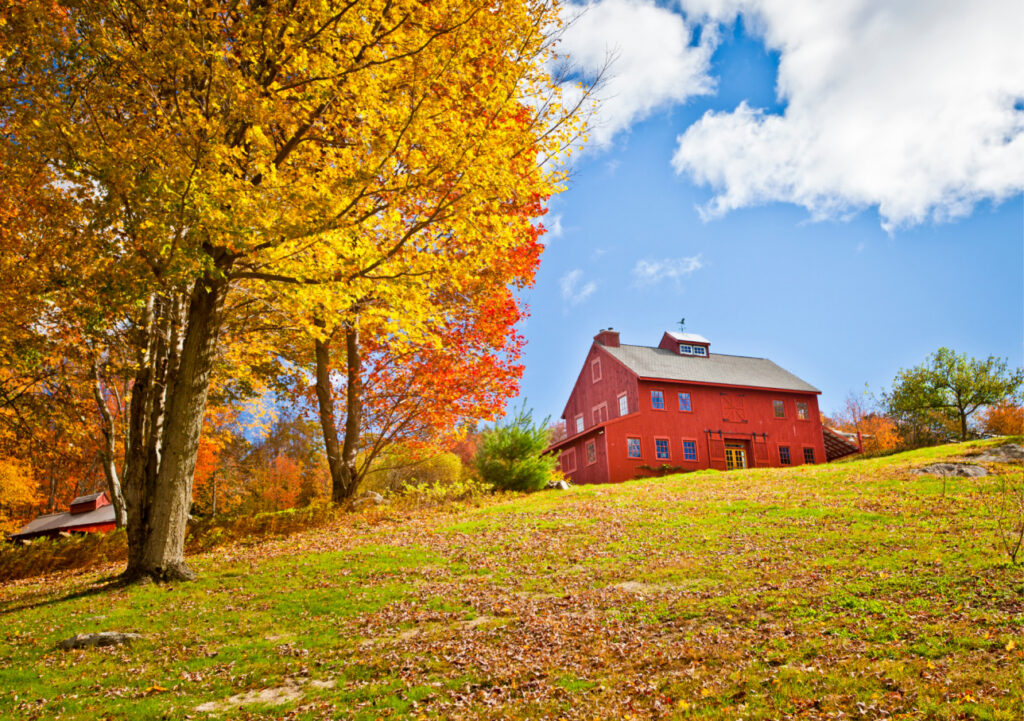
This Quiet Montana Writer Changed the Western Genre Forever
Adobe Stock/helivideo/stock.adobe.com
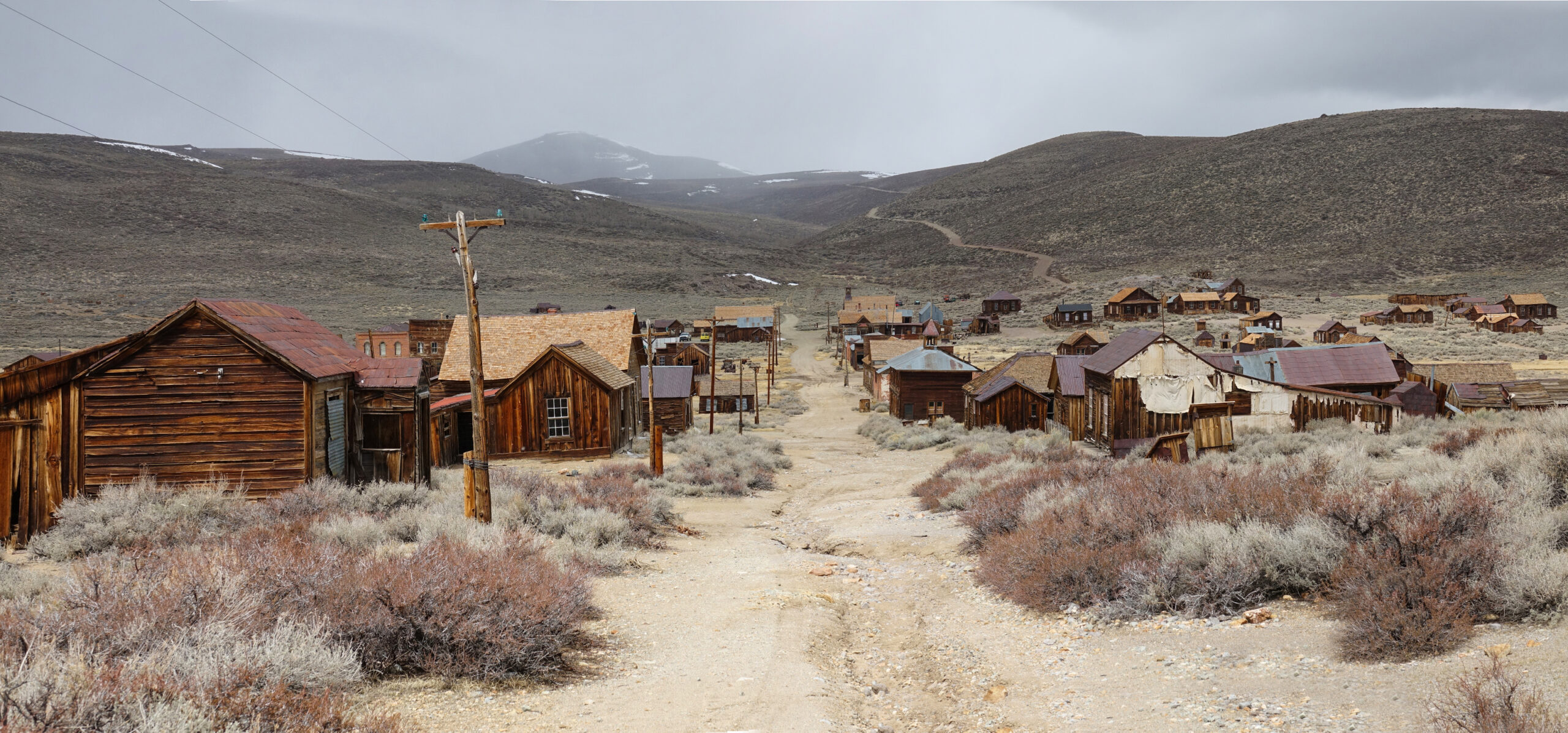
Long before the West was glamorized in film or flattened into folklore, Dorothy M. Johnson was writing stories that crackled with authenticity and grit. Her characters bled, struggled, endured. They weren’t mythic gunslingers or flawless heroes, but human beings wrestling with frontier justice, inner doubt, and the harsh realities of life in the American West. That’s part of what makes her this week’s Legend of the American Spirit.
Born in 1905 in McGregor, Iowa, Dorothy moved with her family to Whitefish, Montana, just a few years later. That move changed everything. The wild, open spaces of Montana didn’t just become her home—they became her muse. As a teenager, she was already writing for the local paper in Kalispell. Her talent was clear even then, and after graduating from the University of Montana in 1928, she chased her literary dreams all the way to New York.
In New York, she found success but not belonging. She worked as an editor and writer, publishing short stories in major magazines like The Saturday Evening Post, often under gender-neutral initials because editors feared readers wouldn’t take a woman seriously in the rough-and-tumble world of Westerns. She didn’t complain. She kept writing.
But her heart was in Montana. In 1950, she returned home and threw herself into the region that had shaped her voice. She worked as news editor of the Whitefish Pilot, took a leadership role in the Montana Press Association, and later taught at the University of Montana’s journalism school. She was a fixture of the community and, more importantly, a champion of honest storytelling.
Dorothy Johnson didn’t just write about the West—she understood it. Her stories held a mirror to the frontier myth, exposing the grit beneath the glory. She wrote about the cost of violence, the weight of survival, and the quiet strength of women and Native characters often left out of the genre. And readers noticed. She sold dozens of stories, penned 17 books, and saw three of her short stories turned into classic films: The Hanging Tree with Gary Cooper, A Man Called Horse with Richard Harris, and The Man Who Shot Liberty Valance, directed by John Ford and starring John Wayne and Jimmy Stewart.
Her stories weren’t loud or flashy. They were lean, thoughtful, and unflinching. She believed in accuracy over embellishment, empathy over ego. In Buffalo Woman, she centered a Native woman’s voice in a way that was decades ahead of its time. In The Man Who Shot Liberty Valance, she probed the fragile masculinity and moral ambiguity of the so-called American hero. She didn’t write to impress. She wrote to tell the truth.
Johnson’s literary talents earned her a slew of honors, including the Western Heritage Award and the Golden Saddleman Award. But more than any trophy, it was her influence on students and fellow writers that left a lasting legacy. Her teaching at the University of Montana helped shape generations of journalists and authors. She encouraged accuracy, curiosity, and respect for the craft. She reminded students that good writing wasn’t about big words or clever tricks—it was about honesty.
Her impact reached far beyond her own publications. She changed the Western genre from within, offering a version of the American spirit that was more nuanced, more inclusive, and more real. She gave space to those whose stories had been ignored. She did it without bravado, without needing her name in lights. Just a typewriter, a strong point of view, and a lifetime of lived experience.
Dorothy Johnson died in 1984, but her stories still breathe with life. They speak to the heart of the American experience—not the polished, idealized version, but the raw and beautiful truth of what it means to persist, to reckon with history, to belong to a land that doesn’t always love you back. That’s the kind of spirit worth celebrating.
So today, as we honor the Legends of the American Spirit, we shine a light on a woman who never asked for a spotlight but whose work still illuminates the path forward. Dorothy M. Johnson didn’t just write Westerns—she redefined them. And in doing so, she told America a little more truth about itself.
RECENT

PA’s Tax Cut Framed Around Household Bills
In The States

Typewriters and Flamingos
Offbeat Observances

Wisconsin Strengthens Child Protection Laws
In The States
The Man Who Painted America’s Story
Legends of the American Spirit

Michigan Lawmaker Calls for Stronger Reading Standards
Childhood

Winston Group: GOP Economic Advantage Continues to Slip
Uncategorized

What Your Butterflies Are Trying to Tell You
Did You Know?

World Cup Energy, Summer Festivals And Weekend Fun
Dating
The Endless Loyalty and Love of a Dog
Mans Best Friend

Sunshine, Fresh Air, and Better Health
Friday Fuel
BE THE FIRST TO KNOW
Want to stay in the loop? Be the first to know! Sign up for our newsletter and get the latest stories, updates, and insider news delivered straight to your inbox.

More Content By
Think American News StaffPA’s Tax Cut Framed Around Household Bills
In The States
Wisconsin Strengthens Child Protection Laws
In The States
The Man Who Painted America’s Story
Legends of the American Spirit
Michigan Lawmaker Calls for Stronger Reading Standards
Childhood
Winston Group: GOP Economic Advantage Continues to Slip
Uncategorized
What Your Butterflies Are Trying to Tell You
Did You Know?
World Cup Energy, Summer Festivals And Weekend Fun
Dating

Winston Group Podcast Examines 2024 Election Autopsy
Elections
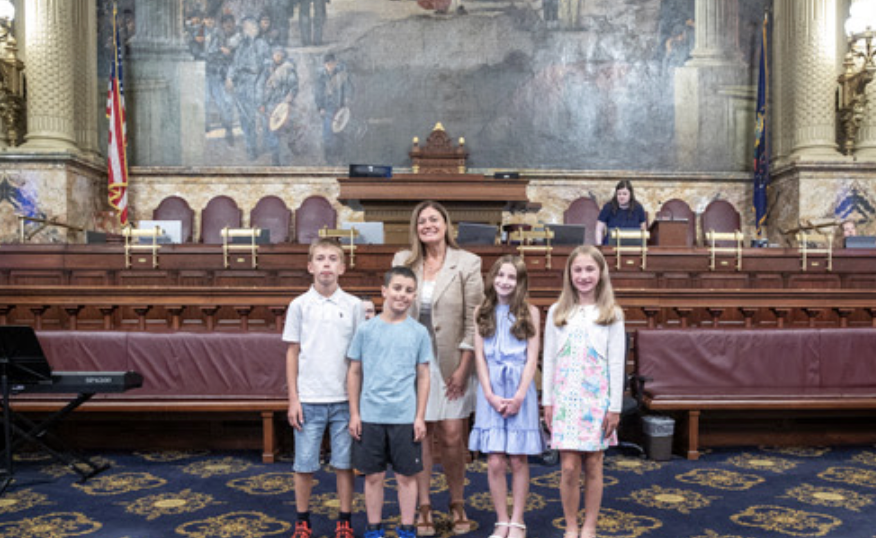
Pennsylvania Students Honored for “Ought to Be a Law” Proposals
Education

Automation Debate Hits Rail
Technology
View All Content By Think American News Staff