May 10
Did You Know?
Saturday: Uncover the Surprising Origins of Your Favorite Day
Adobe Stock/generationclash/stock.adobe.com

Saturday is the much-anticipated day of the week for rest, relaxation, and adventure. Whether it’s your time for outdoor activities, catching up with friends, or indulging in a favorite hobby, Saturday holds a special place in our hearts. But beyond being just the beginning of the weekend, did you know that Saturday has a rich history and fascinating origins that can offer new perspectives on the day?
The name “Saturday” comes from the Roman god Saturn, who was associated with agriculture, wealth, and liberation. In Roman mythology, Saturn was not just a figure of power but also a symbol of a golden age – an era when peace, abundance, and freedom thrived. This ancient association with Saturn gives the day a unique historical background compared to other days of the week, which have roots in planetary names or gods from other mythologies. Saturday was traditionally considered a day to honor Saturn, as the “day of Saturn” or “dies Saturni” in Latin. While many other days of the week are named after planets or deities from various mythologies, Saturday’s association with Saturn remains distinctive, steeped in Roman influence.
If you travel around the world, you’ll notice that Saturday’s name doesn’t just echo the English term. Many languages have similar references to the Roman god Saturn, paying tribute to the god in different ways. For instance, in French, Saturday is called “samedi,” and in Spanish, it’s “sábado.” Both words come from the Latin term Saturni dies, meaning “day of Saturn.” This linguistic pattern isn’t just confined to Western languages. In some Slavic languages, such as Russian, the word for Saturday is derived from the word for “rest.” This association with rest may be due to the fact that Saturn’s mythology also linked him to abundance and relaxation, symbolizing a time to step back from labor and enjoy life.
The Roman god Saturn played a central role in Roman society, symbolizing the harvest and agricultural cycles that were vital to the Roman economy. He represented prosperity, peace, and a time of plenty. Ancient Romans celebrated him through the festival of Saturnalia, a week-long event held around the winter solstice, in which social norms were relaxed, gifts were exchanged, and people feasted and enjoyed games and entertainment. Saturn’s influence wasn’t limited to agriculture. He was also associated with wealth and prosperity, as well as the idea of liberation. In many ways, this sense of freedom and abundance mirrored what we associate with Saturdays today: a break from the workweek to embrace leisure, freedom, and enjoyment. The connection is unmistakable – just as the Romans revered Saturn for bringing about good times, many of us view Saturday as our opportunity to unwind and recharge.
Unlike the other days of the week, which are named after celestial bodies or gods from Norse and Roman mythology, Saturday stands out as a tribute to Saturn. The names of other days, like Wednesday (named after Odin, the Norse god of wisdom), or Thursday (named after Thor, the god of thunder), come from their association with gods from different mythologies. However, Saturday’s direct link to Saturn – the god of agriculture and abundance – has a deeper connection to human history. For many centuries, Saturn’s role in the mythologies was not just about celestial importance, but also about grounding human activity in the cycles of nature. It’s not hard to see how that ancient symbolism still speaks to our modern-day relationship with Saturday.
Throughout the centuries, many cultures have adopted Saturday as a time for rest and leisure. In medieval Europe, Saturday was considered a day for rest and prayer, while in some parts of the world, it has been known as the Sabbath day, dedicated to spiritual practices and reflection. Today, for many people across the globe, Saturday is synonymous with downtime – a chance to relax, catch up with family and friends, or simply rest after a busy week. Even as our modern lives have evolved with new work schedules, technology, and endless responsibilities, Saturday remains a much-needed break. It’s a day that symbolizes both freedom and renewal, a day when we can step away from the stress of work or school and reconnect with the world around us. Whether you’re spending time in nature, binge-watching your favorite show, or attending a social event, Saturday is still widely regarded as a moment to recharge.
So the next time Saturday rolls around, take a moment to reflect on the legacy of the day. From its origins in Roman mythology and the reverence for Saturn, the god of abundance, to its modern-day reputation as a day for relaxation and freedom, Saturday has always been tied to the ideas of abundance, prosperity, and the well-deserved breaks that make life richer. Whether you’re honoring the day by resting, spending time with loved ones, or simply indulging in a little self-care, Saturday has earned its place as a favorite day of the week.
RECENT
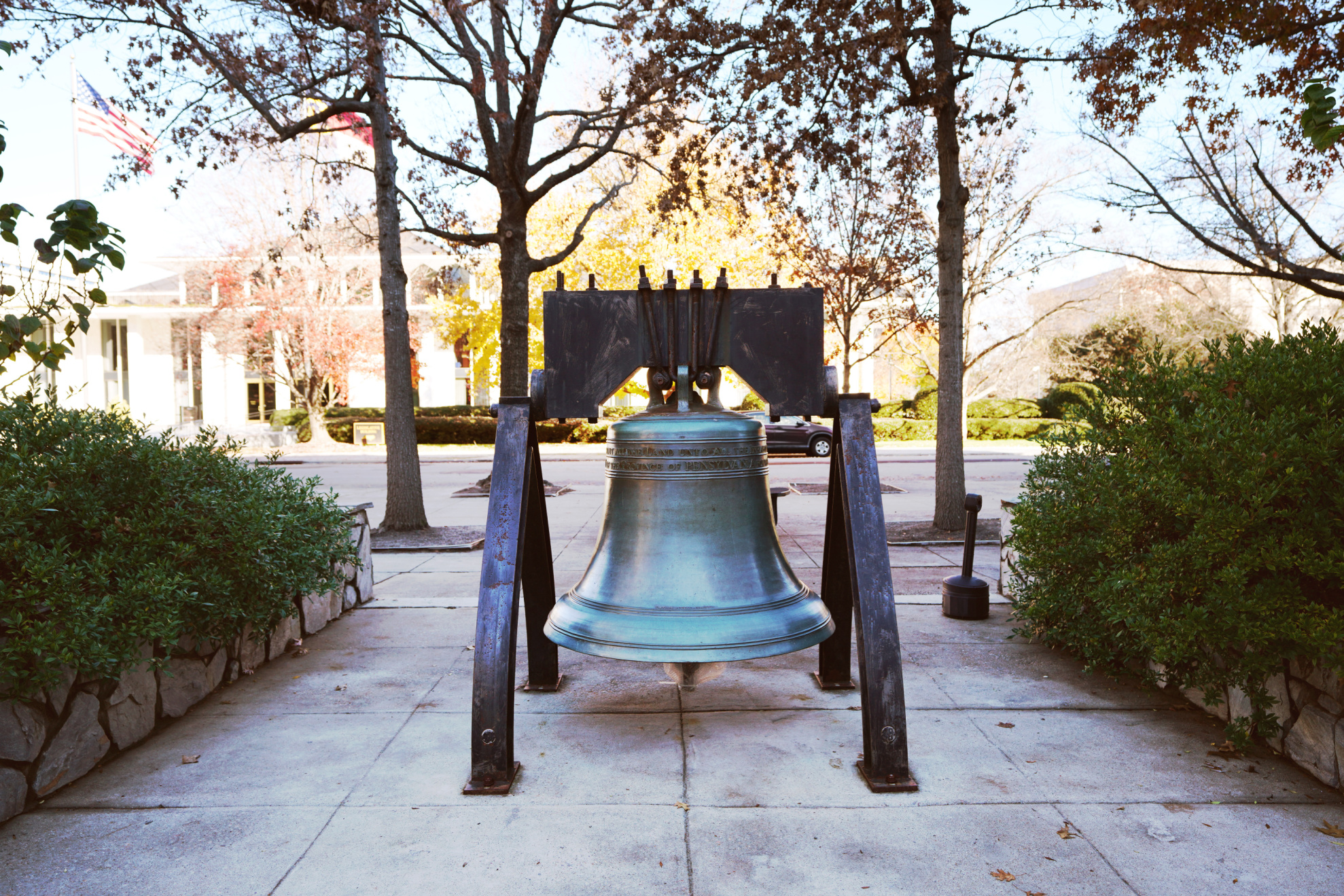
🇺🇸 Why the Liberty Bell Doesn’t Actually Ring Anymore
Did You Know?

A Rock Star’s Road to Redemption
Entertainment

New York Community Replaces Defaced Declaration Replica
America

How Four Seconds Can Help Calm the Mind
Friday Fuel

Heather Jenkins and The Power of Intentional Rest
Health & Wellness

Kentucky Bridge Project Gets $24M Boost
American Infra
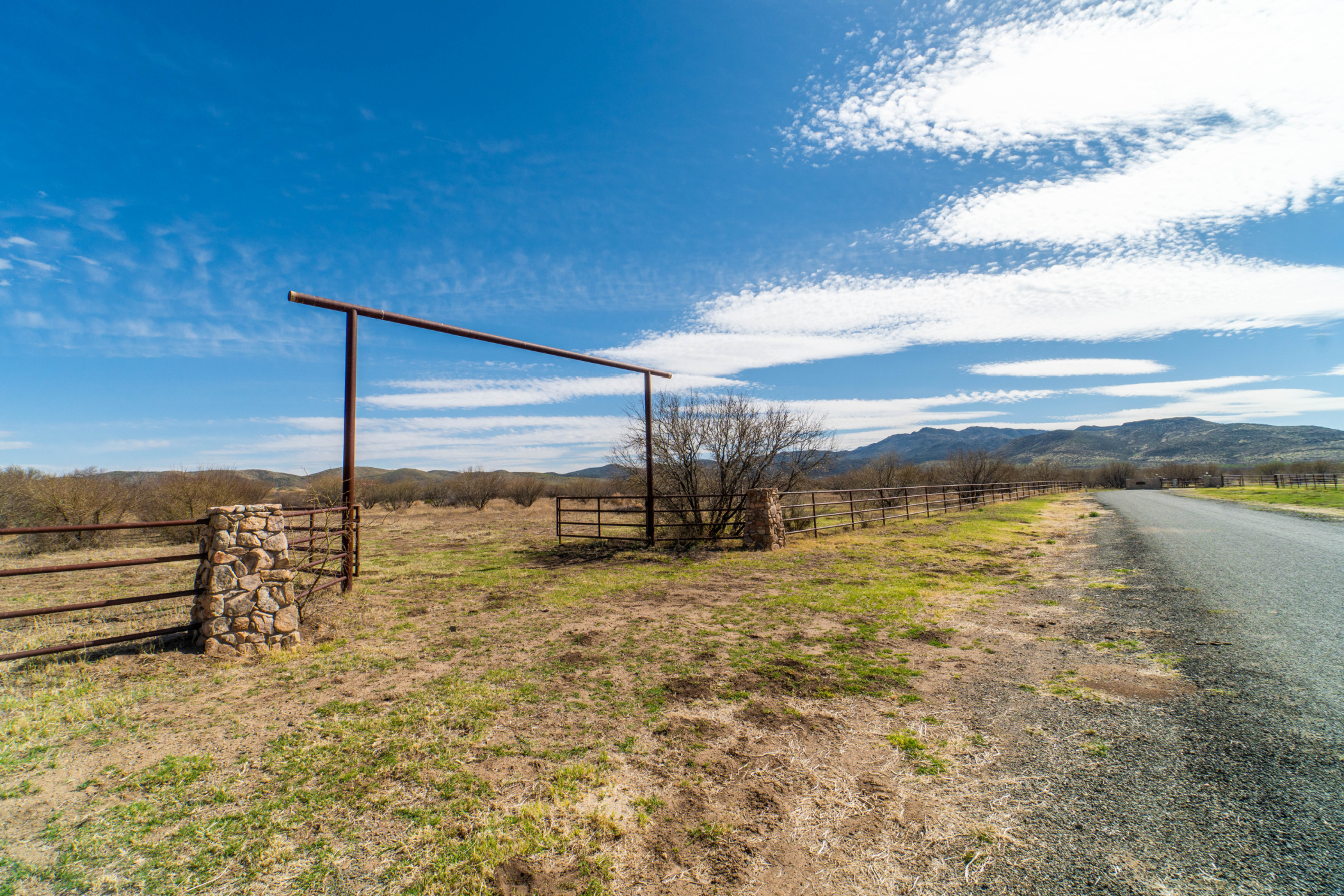
Arizona Extends Farm Water Fee Relief
In The States

Macaroni, Dive Bars and Sundaes: July 7 Gets Weird
Offbeat Observances

Michigan Storm Recovery Gets Bipartisan Federal Boost
In The States

Canada Says Goodbye To Country Gentleman Tommy Hunter
Entertainment
BE THE FIRST TO KNOW
Want to stay in the loop? Be the first to know! Sign up for our newsletter and get the latest stories, updates, and insider news delivered straight to your inbox.

More Content By
Think American News Staff🇺🇸 Why the Liberty Bell Doesn’t Actually Ring Anymore
Did You Know?
A Rock Star’s Road to Redemption
Entertainment
New York Community Replaces Defaced Declaration Replica
America
Kentucky Bridge Project Gets $24M Boost
American Infra
Arizona Extends Farm Water Fee Relief
In The States
Michigan Storm Recovery Gets Bipartisan Federal Boost
In The States
Canada Says Goodbye To Country Gentleman Tommy Hunter
Entertainment

PA Lawmakers Focus on Energy
Energy

John Adams Saw America’s Future Before Anyone Else
America

The Revolutionary Ideas Behind July 4
Did You Know?
View All Content By Think American News Staff