
Adobe Stock/americandigi
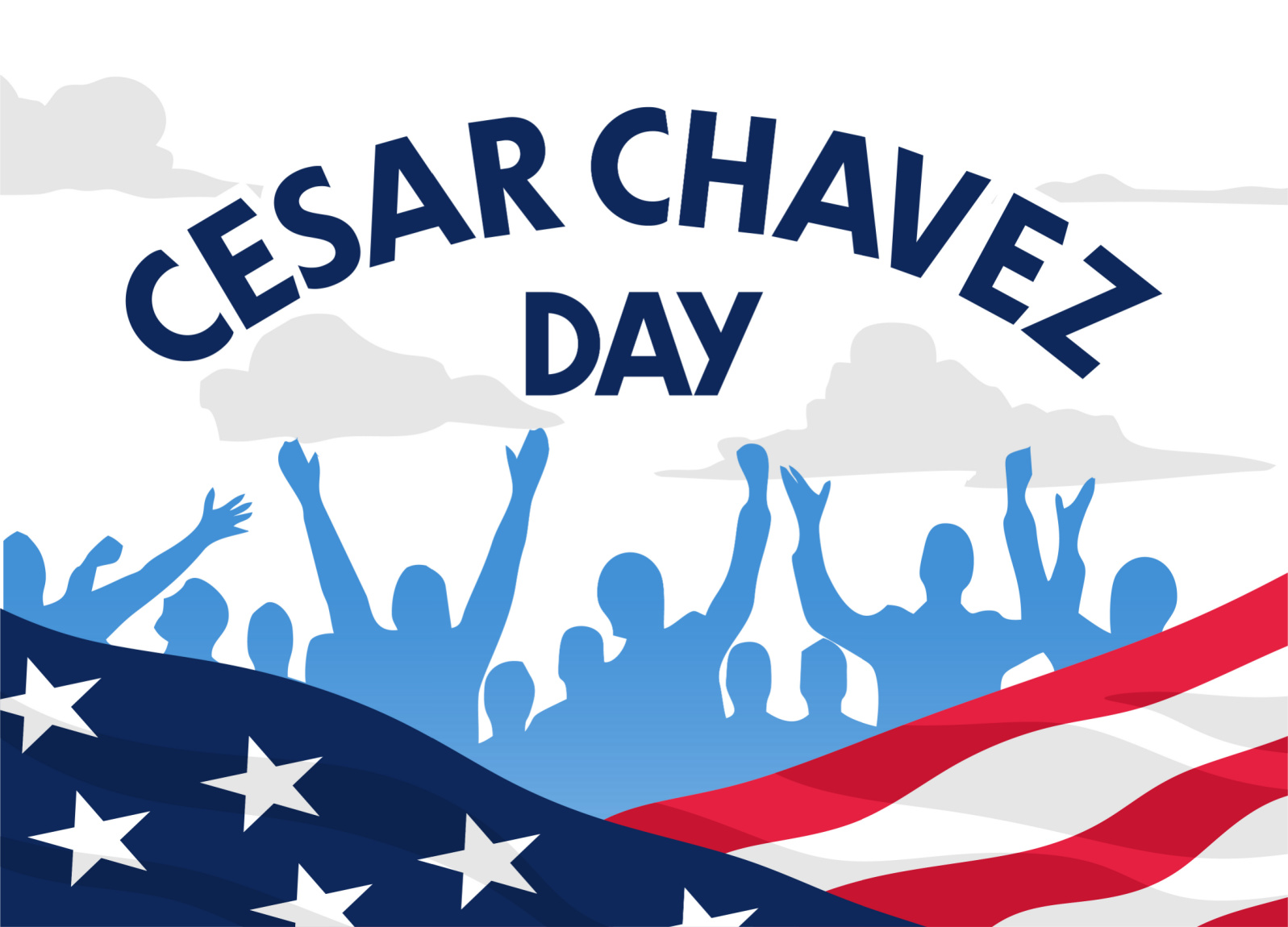
Arizona lawmakers are taking a decisive step in a debate that is quickly gaining traction across the country—how states choose to honor historical figures when new or resurfacing allegations challenge their legacy.
Arizona Moves to Repeal Chávez Day Recognition
The Arizona House has passed legislation that would repeal the state law recognizing César Chávez Day, sending the measure to Governor Katie Hobbs for consideration. The bill, HB 2072, already cleared the Senate with strong bipartisan support, signaling broad agreement among lawmakers.
At the center of the effort are recent reports alleging sexual abuse of girls and assaults against women tied to Chávez. Those reports have prompted renewed scrutiny and, in Arizona, a push not to reinterpret the holiday—but to remove it entirely from state law.
House Speaker Steve Montenegro framed the issue in stark terms, emphasizing the responsibility of the state when it comes to official recognition.
“Arizona law should not honor a man tied to sexual abuse against children and violence against women,” Montenegro said. “The House acted today because victims deserve better, the truth cannot be ignored, and state honors carry meaning.”
His remarks reflect a broader sentiment driving the legislation: that recognition by the state is not neutral—it signals values.
A Victim-Centered Argument
Supporters of the repeal argue the issue goes beyond history and into the present-day impact on victims. Representative Lisa Fink, who sponsored the bill, pointed directly to those affected.
“Once these reports came to light, there was no excuse for leaving this honor in Arizona law,” Fink said. “The women and children Chavez harmed should not have to watch the state continue honoring his name.”
Her comments underscore a key theme emerging in both Arizona and beyond: that public honors must be weighed not only against historical contributions, but also against the harm associated with an individual’s legacy.
A National Conversation Takes Shape
Arizona’s move comes just days after a similar—though notably different—approach emerged in California.
There, lawmakers led by Assemblywoman Alexandra Macedo voted unanimously to rename César Chávez Day to “Farmworker Day,” shifting the focus away from a single figure and toward the broader community of agricultural workers. The proposal, backed by every member of the state Assembly, reflects an alternative path: preserving the holiday while reframing its purpose.
Together, the two efforts highlight a growing national conversation. When faced with controversy surrounding historical figures, states are now grappling with a central question—remove the honor entirely, or redefine it.
Arizona has chosen the former.
California is pursuing the latter.
Bipartisan Momentum Signals Broader Agreement
What stands out in both states is not just the policy shift, but the political alignment behind it. In Arizona, the bill advanced through both chambers with bipartisan support, an increasingly rare occurrence in today’s political climate.
That level of agreement suggests lawmakers view this less as a partisan issue and more as a question of standards—what qualifies someone for state recognition, and what disqualifies them.
The speed of the process also reflects urgency. Once the reports resurfaced, action followed quickly, indicating little appetite among lawmakers to delay or defer the decision.
Opposition Raises Constitutional Concerns
Not all lawmakers agree with the approach Arizona is taking. In a letter to Governor Katie Hobbs, State Senator Sally Ann Gonzales urged a veto of the legislation, raising both constitutional and broader concerns about its impact.
Gonzales, who cast the lone vote against the bill in the Senate, argued that the measure goes beyond repealing a state holiday and instead risks erasing an important part of American history tied to farmworkers and the civil rights movement.
She also challenged the bill’s emergency clause, which would allow the repeal to take effect immediately upon the governor’s signature. According to Gonzales, the legislation does not meet the constitutional standard required for such a provision.
“House Bill 2072 is not an emergency,” she wrote, noting that the measure lacks the required explanation for why immediate implementation is necessary to preserve public peace, health, or safety under Arizona’s constitution.
Beyond the legal argument, Gonzales called for a different path forward—one that would both acknowledge concerns raised by recent reports and continue to recognize the contributions of farmworkers.
She urged the governor to reject the bill in its current form and instead work with lawmakers on an alternative that would rename the observance as “Farmworker Day,” preserving recognition of the broader movement while addressing ongoing concerns.
What Comes Next
If signed, the change would take effect immediately. The proposal includes an emergency measure, and because it earned supermajority support in both legislative chambers, it would bypass the customary 90-day delay that most bills undergo after the legislative session ends before becoming law.
That accelerated timeline underscores the urgency lawmakers have placed on the issue—and signals that, should the governor approve it, the repeal would not be symbolic or delayed, but immediate.
RECENT

Crayons, Carbs, and Catastrophic Data Loss (Avoided)
Uncategorized

Bluegrass Duo Celebrates Milestone
Entertainment

Indiana Prosecutor Sends Clear Message on Child Neglect
Child Abuse
Oklahoma School Safety Bill Moves Forward
Education

Grace Kelly: Irish Roots Behind an American Icon
Legends of the American Spirit

Strength Beyond Sight in Texas
In The States

You Might Be Speaking Irish Without Knowing It
Did You Know?

Country Legends Hit 40-Year Mark
Entertainment

Kentucky Targets Classroom Violence
Education

Spring Into the Weekend
Dating
BE THE FIRST TO KNOW
Want to stay in the loop? Be the first to know! Sign up for our newsletter and get the latest stories, updates, and insider news delivered straight to your inbox.

More Content By
Think American News StaffChávez Day Under Review in Arizona
History
Bluegrass Duo Celebrates Milestone
Entertainment
Indiana Prosecutor Sends Clear Message on Child Neglect
Child Abuse
Oklahoma School Safety Bill Moves Forward
Education
Grace Kelly: Irish Roots Behind an American Icon
Legends of the American Spirit
Strength Beyond Sight in Texas
In The States
You Might Be Speaking Irish Without Knowing It
Did You Know?
Country Legends Hit 40-Year Mark
Entertainment
Kentucky Targets Classroom Violence
Education
Spring Into the Weekend
Dating
View All Content By Think American News Staff