
Mar 01
History
How Frederick Douglass Helped Move America Forward
Adobe Stock/NTGUILTY
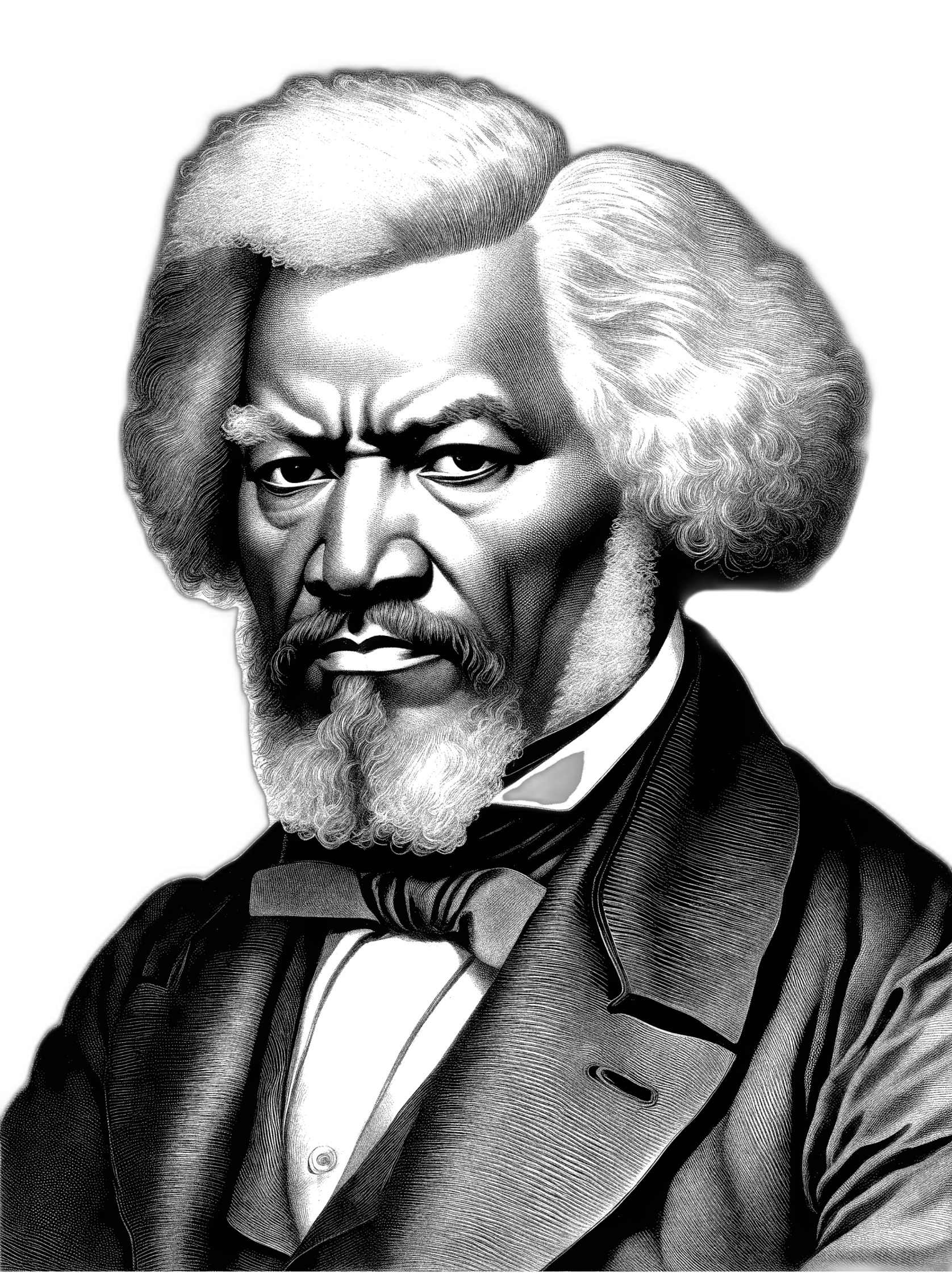
Few Americans embodied the power of conviction quite like Frederick Douglass.
Born into slavery in Maryland around 1818, Douglass would rise to become one of the most powerful voices of the 19th century — an abolitionist, writer, newspaper publisher, statesman, and advocate for equal rights. His life was not merely a personal triumph over injustice; it was a force that helped move the nation closer to its founding promises.
And in March — a month that represents movement, momentum, and moral clarity — Douglass reminds us that progress rarely happens quietly. It happens because someone dares to speak.
From Enslavement to Enlightenment
Douglass was separated from his mother as an infant and endured the brutality of slavery in his early years. Yet even in bondage, he recognized something transformative: education was power. After secretly learning to read and write, Douglass began to understand the injustice of the system that enslaved him.
In 1838, he escaped to freedom, eventually settling in Massachusetts. His intellect and commanding presence quickly drew attention. By the early 1840s, he was speaking publicly about his experiences — not as an abstract critic of slavery, but as a man who had lived it.
A Voice That Shook a Nation
In 1845, Douglass published his autobiography, Narrative of the Life of Frederick Douglass, an American Slave, a searing firsthand account that became a bestseller and strengthened the abolitionist movement.
His most famous speech, delivered on July 5, 1852 — “What to the Slave Is the Fourth of July?” — remains one of the most powerful critiques of American hypocrisy ever delivered. Douglass did not reject the ideals of the Declaration of Independence. Instead, he demanded that the nation live up to them.
That insistence — that America honor its own founding principles — is part of what makes Douglass a true legend of the American spirit.
Leadership in War and Peace
During the Civil War, Douglass met with President Abraham Lincoln to advocate for the enlistment of Black soldiers in the Union Army. Two of Douglass’s own sons served.
After the war, Douglass continued fighting for civil rights, including voting rights for Black Americans. He later served in several government positions, including U.S. Marshal for the District of Columbia and Minister Resident and Consul General to Haiti.
He believed in the Constitution. He believed in civic participation. He believed in accountability. And he believed that America was capable of improvement.
Marching History Forward
March is a month associated with change — the shift from winter to spring, from dormancy to growth. Frederick Douglass represents that same transition in American history.
He did not merely criticize the nation; he challenged it to become better.
He did not abandon its founding ideals; he called the country back to them.
His life reminds us that patriotism and protest are not opposites when rooted in principle. They are often partners in reform.
Frederick Douglass understood something essential about America: the work of liberty is never finished. It requires courage. It requires voice. It requires citizens willing to stand — and, when necessary, march — toward a more perfect union.
RECENT
Marcell Highlights Sextortion Prevention
In The States

William Lee Golden Releases Golden Memories
Entertainment

One Constitutional Amendment Took 203 Years to Pass
Did You Know?
2026 Nurses Day at the Capitol Draws Hundreds to Madison, WI
Health & Wellness

Your Weekend Game Plan Starts Here
America

Kentucky Jury Delivers 285 Years in Child Exploitation Case
Law and Order

Healing Trauma in Rescue Dogs Starts with Rebuilding Trust
Animals

The Day I Stopped Living for Other People’s Opinions
Friday Fuel

Garten Welfare Reform Bill Heads to Governor
In The States

Small Habits, Stronger Self-Love
Health & Wellness
BE THE FIRST TO KNOW
Want to stay in the loop? Be the first to know! Sign up for our newsletter and get the latest stories, updates, and insider news delivered straight to your inbox.

More Content By
Think American News StaffMarcell Highlights Sextortion Prevention
In The States
How Frederick Douglass Helped Move America Forward
History
William Lee Golden Releases Golden Memories
Entertainment
One Constitutional Amendment Took 203 Years to Pass
Did You Know?
2026 Nurses Day at the Capitol Draws Hundreds to Madison, WI
Health & Wellness
Your Weekend Game Plan Starts Here
America
Kentucky Jury Delivers 285 Years in Child Exploitation Case
Law and Order
Garten Welfare Reform Bill Heads to Governor
In The States

“Spirit of America” Launches New Kody Norris Show Era
America

Kentucky Senate Advances Classroom Safety Measure
Education
View All Content By Think American News Staff