
Feb 21
Did You Know?
February’s Strange Secret: No Full Moon Required
Adobe Stock/skarie
A Short Month With a Strange Secret
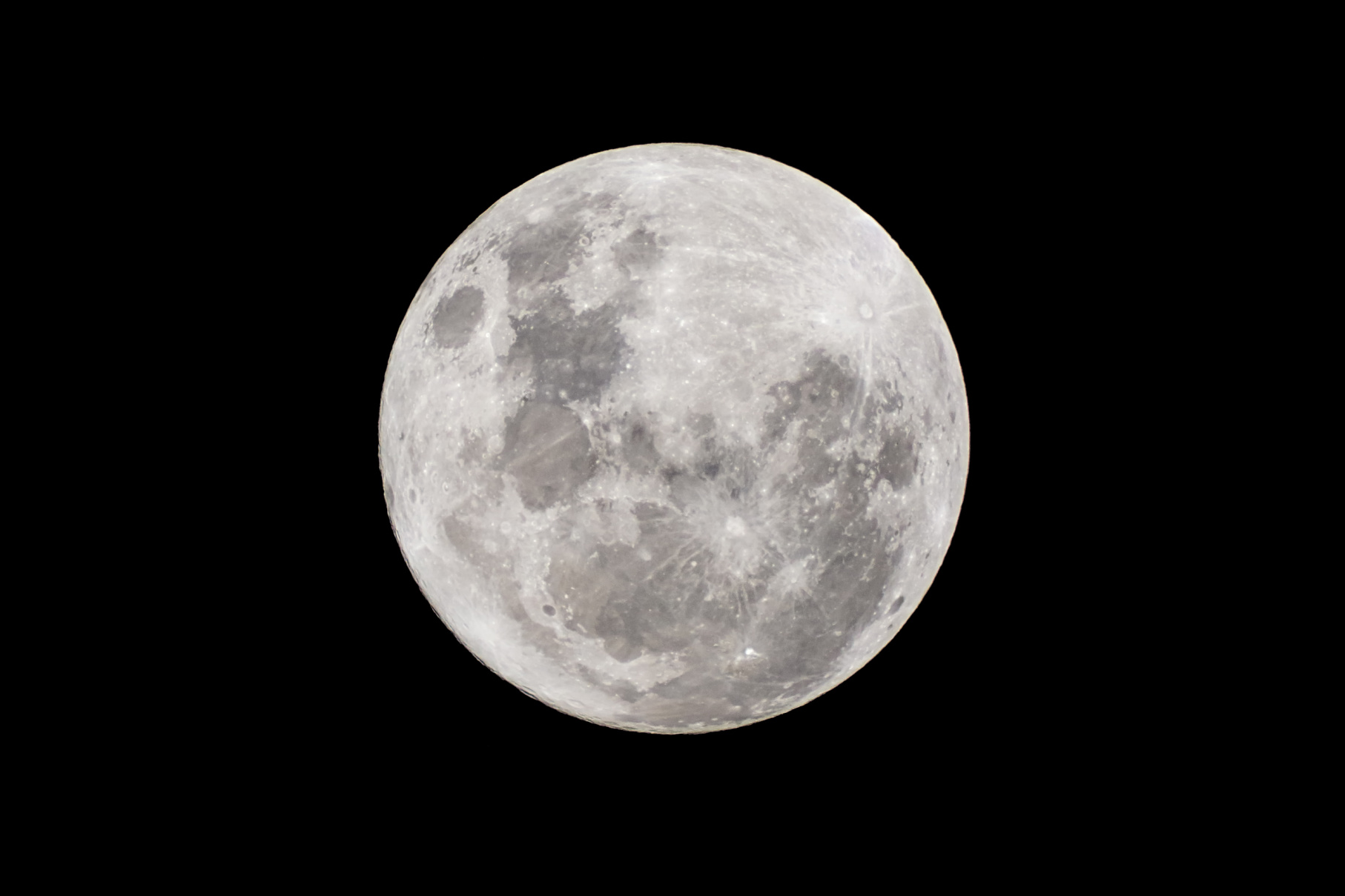
February is already known for being the shortest and most unusual month on the calendar, but it has another surprising distinction most people never notice. It is the only month that can pass without a full moon. While every other month always includes at least one full moon, February sometimes skips it entirely. It’s a small calendar quirk, but once you see it, you can’t unsee it.
This phenomenon doesn’t happen every year, which is part of what makes it so fascinating. When it does occur, it often catches even skywatchers off guard. A month going by without a full moon feels almost unnatural, especially given how prominently full moons feature in everything from folklore to farming traditions.
Why February Can Miss a Full Moon
The explanation comes down to timing. A full moon occurs about every 29.5 days, which is the length of the lunar cycle. Most months on our calendar are 30 or 31 days long, which makes it almost impossible for them to miss having a full moon at least once. February, however, typically has only 28 days, and 29 days during a leap year.
Because February is shorter than the lunar cycle, there are years when a full moon happens in late January and then again in early March. When that happens, February gets skipped entirely. It’s not that the moon stops changing phases during February—it still goes through waxing and waning cycles—but the exact moment of the full moon simply doesn’t fall within the month’s shorter window.
How Often Does This Happen?
A February without a full moon is rare, but it does happen on a predictable pattern. It occurs roughly once every 19 years, a rhythm tied to the way lunar cycles line up with the calendar over time. When it does happen, the years on either side often feature two full moons in January and March, which adds another layer of lunar trivia for skywatchers and calendar nerds alike.
This pattern also helps explain why people occasionally hear about “extra” full moons in other months. The lunar calendar doesn’t neatly fit into our 12-month system, so these small mismatches build up and create quirky results like a moonless February.
The Cultural Power of the Full Moon
For most of human history, the full moon wasn’t just something nice to look at. It was a natural timekeeper. Farmers used it to guide planting and harvesting. Sailors used moon phases to help plan tides and navigation. Many cultures built traditions and festivals around full moons, seeing them as moments of completion, reflection, or spiritual significance.
That’s part of why a February without a full moon feels oddly empty, even if most people don’t consciously track lunar phases anymore. There’s something psychologically grounding about knowing the full moon will come around each month. When it doesn’t, it’s a reminder that the calendar we use is a human invention layered on top of natural rhythms that don’t always line up neatly.
A Small Reminder That Time Is a Human Construct
February’s missing full moon is a perfect example of how our systems of measuring time are approximations. The calendar is designed for convenience, not cosmic precision. The moon keeps doing what it’s always done, while we try to fit it into boxes called months and years. Sometimes it fits perfectly. Sometimes it doesn’t.
Noticing small quirks like this is part of what makes learning about the world fun. It’s a reminder that even familiar things—like the months of the year—still have secrets hiding in plain sight. The next time February rolls around, you might find yourself glancing up at the night sky and realizing that even the moon plays by its own rules.
RECENT

The History of St. Patrick’s Day Begins with One Man
Did You Know?

Green Rivers and Weekend Celebrations ☘️
Dating

The Overlooked Fitness Habit That Can Transform Your Spring
Friday Fuel

NC Leaders Form Education Commission
Education
Declutter Your Mind This Spring
Health & Wellness

Macedo Uncovers 200 Hospice Agencies at One Address
Fraud

Kansas Lawmakers Advance School Cell Phone Crackdown
Education

Indiana Targets Social Media Addiction Among Kids
Education

Grab Your Wife, Ralph Kramden — It’s Race Time
Bless Your Headlines

Three Silly Holidays Americans Are Celebrating on March 10
Bless Your Headlines
BE THE FIRST TO KNOW
Want to stay in the loop? Be the first to know! Sign up for our newsletter and get the latest stories, updates, and insider news delivered straight to your inbox.

More Content By
Think American News StaffThe History of St. Patrick’s Day Begins with One Man
Did You Know?
Green Rivers and Weekend Celebrations ☘️
Dating
NC Leaders Form Education Commission
Education
Macedo Uncovers 200 Hospice Agencies at One Address
Fraud
Kansas Lawmakers Advance School Cell Phone Crackdown
Education
Indiana Targets Social Media Addiction Among Kids
Education

Wisconsin Targets Financial Exploitation
Finance

Wyze & The Tellers Release “This Ain’t That”
Entertainment

Trey Calloway Rolls Out “Truck Around”
Entertainment

The Irish Girl Who Opened Ellis Island
Culture
View All Content By Think American News Staff