
St. Nicholas, the First Santa
Adobe Stock/Mariangela/stock.adobe.com
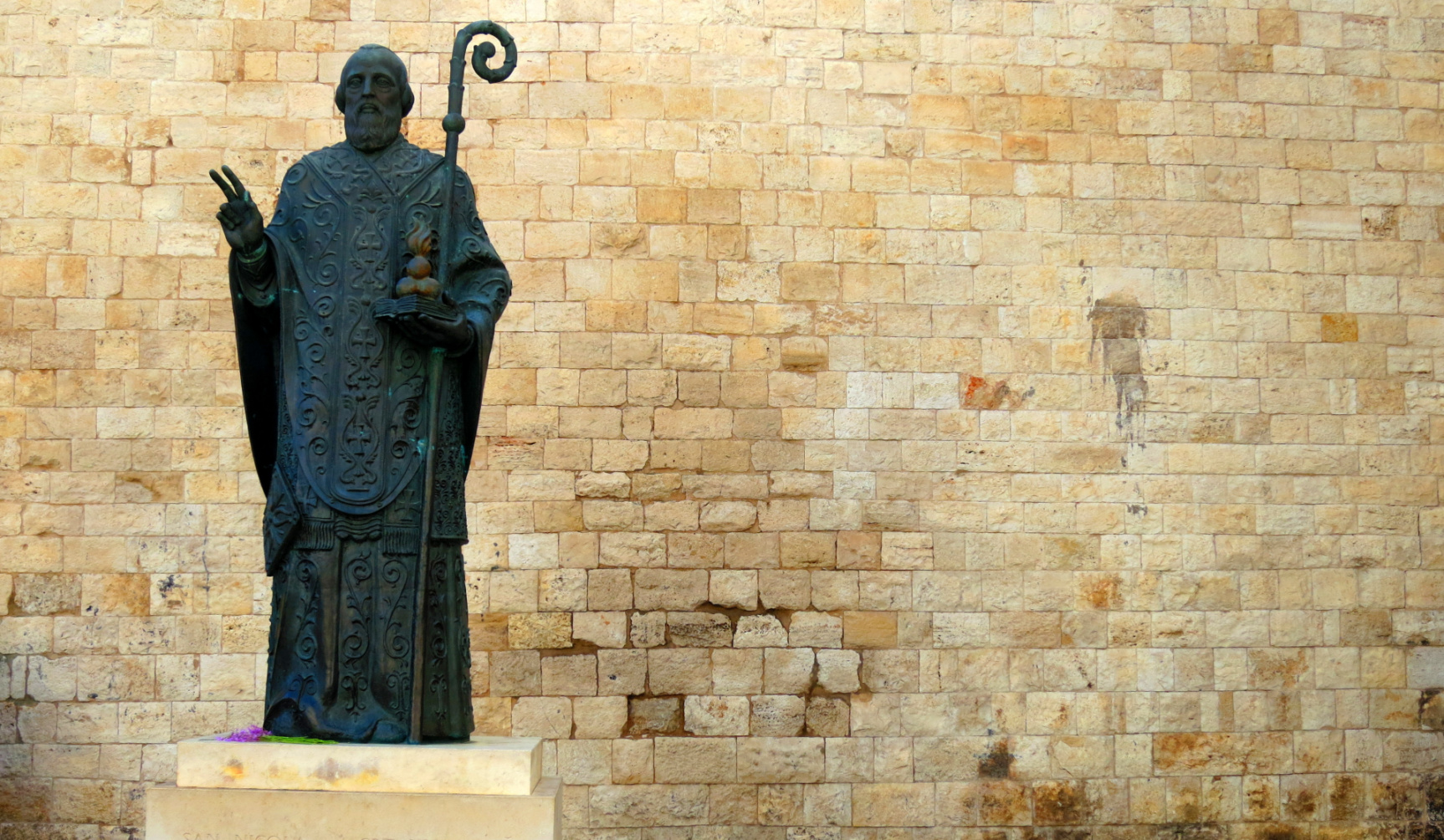
The Original Giver and the Values That Came to America With Him
Long before shopping lists, sleek advertising campaigns, and twinkling displays, Christmas was anchored in something far simpler: generosity without recognition. At the heart of that tradition is St. Nicholas, a real historical figure whose life and legacy traveled across centuries and continents before finding a permanent home in American culture.
Born in the third century in Patara—located in what is now Turkey—Nicholas inherited significant wealth after his parents died during an epidemic. Rather than use that inheritance for personal comfort or status, he quietly devoted his life to helping others. He became a Christian bishop known not for power or prestige, but for compassion, humility, and secret acts of charity.
Quiet Generosity That Defined a Legacy
The most enduring story associated with St. Nicholas involves three young sisters whose family had fallen into poverty. Without money for dowries, their future prospects were grim. Learning of their situation, Nicholas delivered bags of gold to the family’s home under cover of darkness, ensuring their well-being while avoiding personal recognition. That emphasis on anonymous giving—doing good for the sake of others, not applause—became the defining mark of his character.
This principle remains one of the most distinct aspects of the American Christmas spirit. While traditions have evolved, the idea that the greatest gifts are given freely and quietly has endured.
From Bishop to Cultural Icon
St. Nicholas spread throughout Europe as a symbol of generosity and protection, particularly for children. Dutch settlers carried their celebration of “Sinterklaas” to the New World in the 17th century, introducing the tradition to New Amsterdam—modern-day New York City.
What happened next was uniquely American. In a nation shaped by cultural blending and reinvention, St. Nicholas transformed. The rigid religious trappings softened, giving way to a broader symbol of goodwill that transcended denomination or doctrine. He became a figure not tied to authority, but to community—a reflection of a young nation that valued individual kindness and shared responsibility.
Why America Embraced St. Nicholas
America didn’t adopt St. Nicholas simply because of tradition. It embraced him because his values aligned with the country’s developing character. Volunteerism, philanthropy, and neighborly responsibility have always been central to American civic life. Long before government programs or institutions, communities survived because people looked out for one another.
St. Nicholas embodied that ethos. He represented the belief that individuals—ordinary people acting with quiet compassion—could change lives.
Christmas Beyond Commercialism
Over time, the image of St. Nicholas evolved further into the modern Santa Claus, influenced by literature, art, and popular culture. While the outward image changed, the core message remained: generosity matters.
In an age increasingly defined by speed and spectacle, St. Nicholas serves as a steady counterbalance. His story reminds Americans that Christmas is not measured by excess, but by intention; not by price, but by presence.
A Legend That Still Belongs
St. Nicholas deserves his place in Legends of the American Spirit not because of myth, but because of meaning. He represents the enduring idea that a single life lived with integrity and compassion can echo across centuries. His story reminds us that the truest expressions of the American spirit are often the quietest.
RECENT
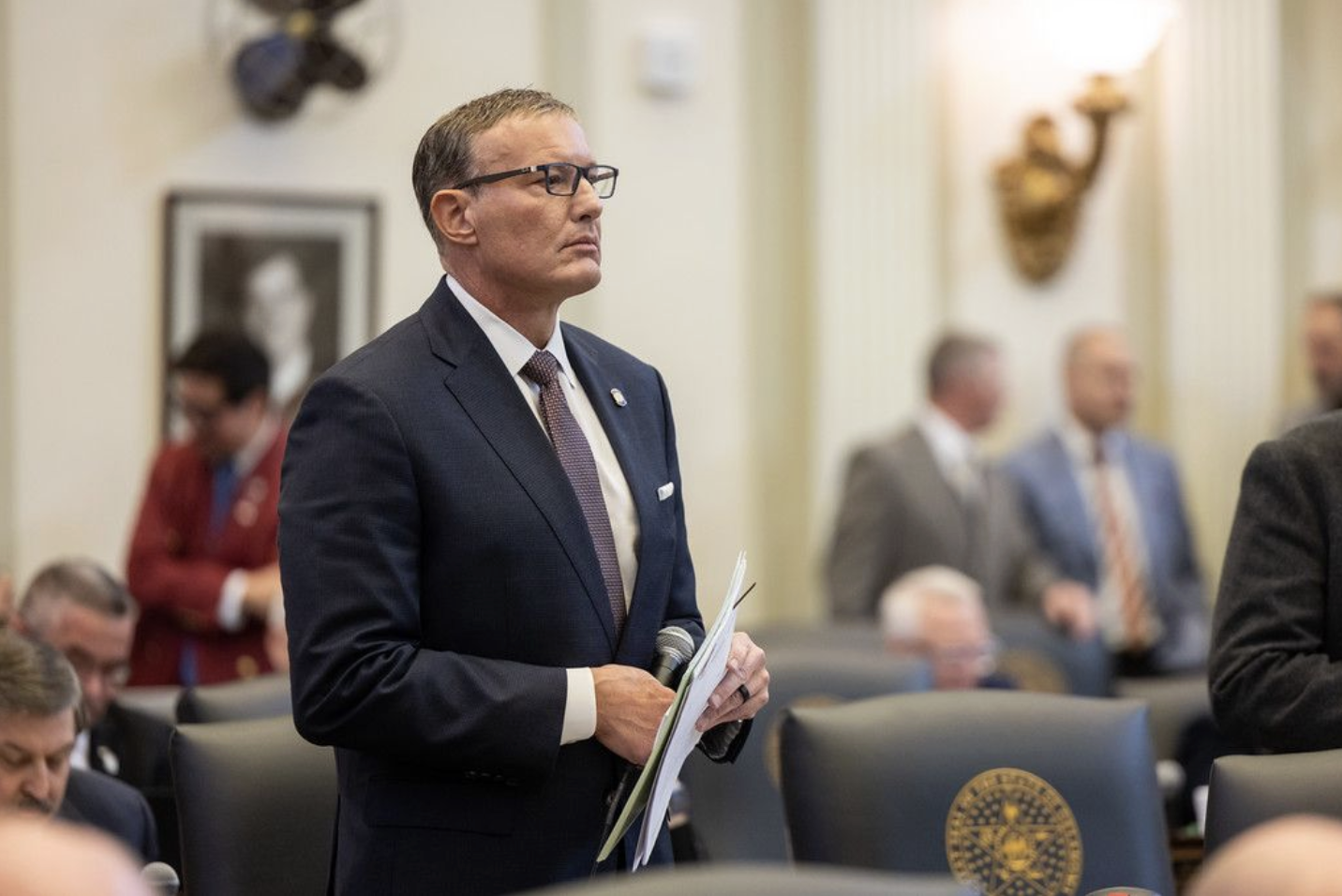
Oklahoma School Safety Bill Moves Forward
Education

Grace Kelly: Irish Roots Behind an American Icon
Legends of the American Spirit

Strength Beyond Sight in Texas
In The States

You Might Be Speaking Irish Without Knowing It
Did You Know?

Country Legends Hit 40-Year Mark
Entertainment

Kentucky Targets Classroom Violence
Education

Spring Into the Weekend
Dating

The Truth About Fitness: It’s No Longer a Choice
Friday Fuel

Wisconsin Expands Emergency Testing
First Responders

Progress Over Perfection
Health & Wellness
BE THE FIRST TO KNOW
Want to stay in the loop? Be the first to know! Sign up for our newsletter and get the latest stories, updates, and insider news delivered straight to your inbox.

More Content By
Think American News StaffOklahoma School Safety Bill Moves Forward
Education
Grace Kelly: Irish Roots Behind an American Icon
Legends of the American Spirit
Strength Beyond Sight in Texas
In The States
You Might Be Speaking Irish Without Knowing It
Did You Know?
Country Legends Hit 40-Year Mark
Entertainment
Kentucky Targets Classroom Violence
Education
Spring Into the Weekend
Dating
The Truth About Fitness: It’s No Longer a Choice
Friday Fuel
Wisconsin Expands Emergency Testing
First Responders

‘American Pie’ Turns 55 on Tour
Entertainment
View All Content By Think American News Staff