Adobe Stock/annebel146/stock.adobe.com

When Medication Becomes the First Recommendation
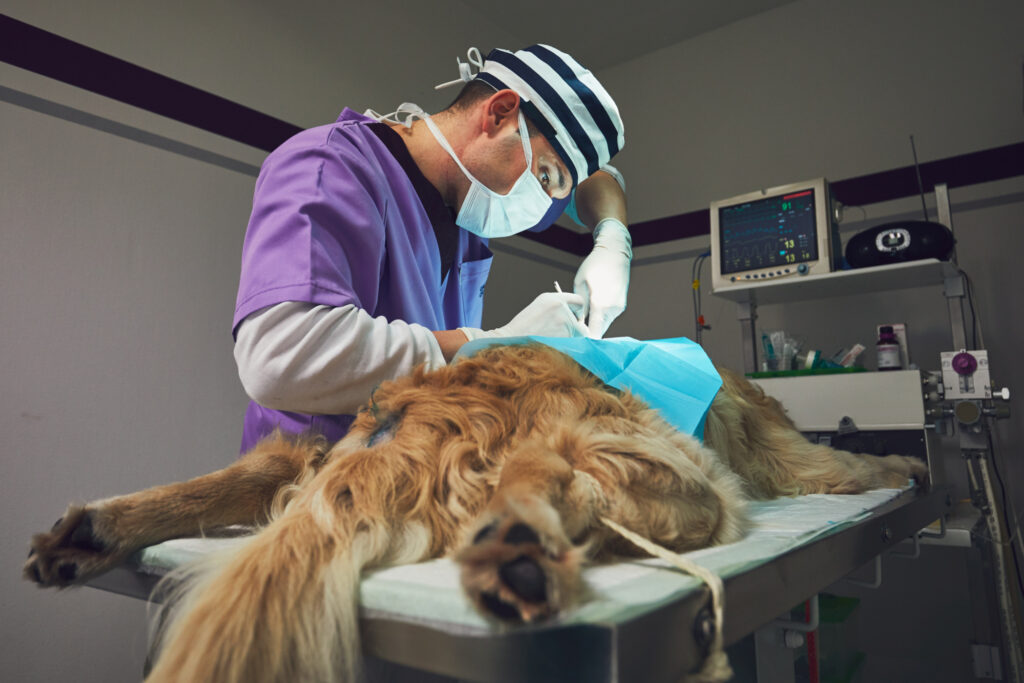
This week I had an interesting conversation. A new client was debating whether or not her new dog would benefit from medication to help him calm down. While she had already seen how basic training alone had helped her dog find his zen, she was still on the fence. What I didn’t know, was that the rescue she had adopted the dog from, was promoting and supporting the medication route, even though she had only had the dog for three weeks. This got me thinking about the dog world right now: are we encouraging pill popping over basic fundamental training?
Medication as a Tool — Not the First Line
Now don’t get me wrong. I am not against anti-anxiety meds. I believe they can be used as a tool in a training regiment for severe cases. You should never limit yourself to the tools you could put in your dog training tool box. I do not believe, however, that they should be the first thing we look into to help our dogs resolve anxiety and reactivity issues. That would be like immediately looking into surgery to help you lose weight before looking into lifestyle choices that could be changed to help you shed the pounds. I myself have at one point, used anti-anxiety meds with my own personal dogs during their training journey. One of my dogs was highly leash reactive towards other dogs and the other is prone to anxiety on walks and reactivity in her territory. Both of these dogs I worked with for almost 2yrs before deciding to supplement their training with anti-anxiety meds. The medicine did indeed help them be less on edge and therefore more receptive to their training. My first dog was able to be weaned down in dosage and my current dog I have weaned off completely after a year of medication usage.
Quick Fixes and Rescue Recommendations
What astonished me with this particular case was that the rescue was advocating for medication immediately. Even after I had given them my initial training assessment, saying that the dog is trainable, is not aggressive but insecure, and would do wonderfully with a training program that supports and advocates for his needs. I know animal rescues, in particular dog rescues, want what’s best for the dogs in their care. But if you’re an organization that’s looking for a quick fix, then working with animals, especially rescue animals, is not the job for you. My client was feeling overwhelmed and had every right to weigh her options. My disappointment is in the organization that should know better than her, but on the contrary, were pushing for the easy way out, so to speak.
Understanding the Medications
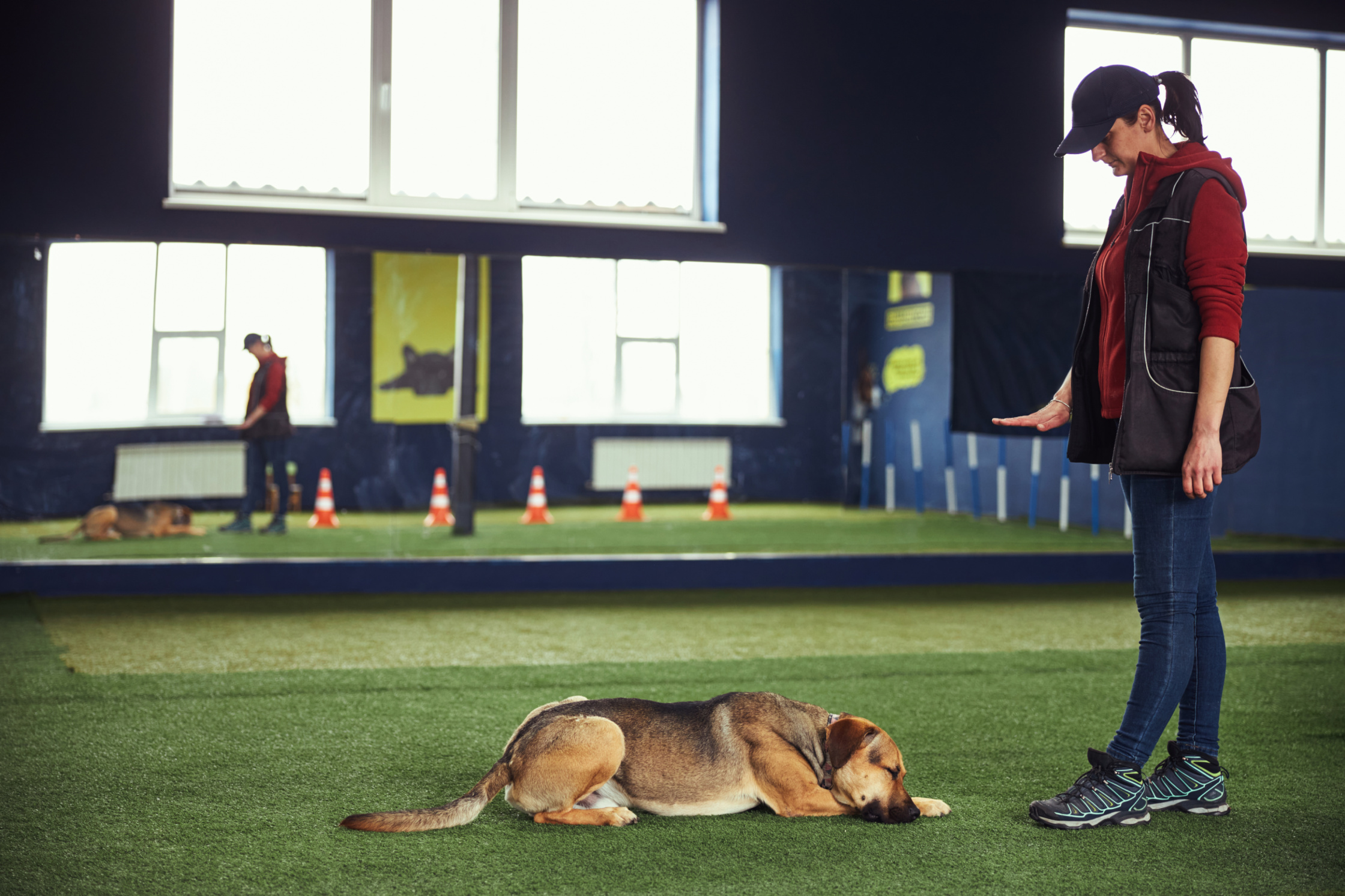
One piece of information that I afforded my client, that I’m not sure the rescue organization made her aware of, were the different kinds of medications that are used for cases like this. The two main anti-anxiety meds prescribed to dogs are Prozac and Trazadone. Prozac is a long term release medication. It takes about a month to build up in the system before you begin to see any significant change. And then you continue on the journey of adjusting the dosage to suit your dog’s needs. Trazadone is a short term release medication that I do not recommend using for behavioral issues. In my experience, because it tends to wear off in the dog’s system, the unwanted behavior that you are trying to adjust tends to escalate. Trazadone, in my opinion, is best used for short terms situations (if training has only gotten you so far) such as firework anxiety, vet visits, or grooming appointments. Meanwhile, in our first session together, it took my clients dog only 90 minutes to stop reacting and barking at me, calm down, and fall asleep. And we only used a leash and basic training principles.
Dogs Don’t Need Rushing — They Need Time
One of the best things that dogs teach us, is how to slow down. In a fast paced world, we can get caught up in wanting immediate results. But dogs don’t operate with that mentality. They are unfailingly honest, and if you rush them, particularly dogs with social anxiety, they let you know immediately that that choice was unacceptable. In the human world, we are pushed towards pills that can do anything from narrowing our waist line to giving us the hair and skin we had in our youth. Dogs need less pills, and more patience. With patience, comes progress. Pills only? Then what you are getting is the shell of an animal who has never been allowed to work through issues and show you their truest potential. So, what do you choose?
RECENT

Rep. Kristin Marcell Launches Student Contest in PA
In The States

The Most Honest Holiday Lineup
Uncategorized

KY Invests in Autism Care
Autism

Filibuster Fight Divides GOP
Politics
Indiana Delivers Veteran Relief
In Service

Why Easter Still Matters
Holidays

Wisconsin Bets Big on Forestry Future
In The States

Success Starts with Failure
Did You Know?

A Dog’s Last Lesson
Animals

America in Bloom This Weekend
Dating
BE THE FIRST TO KNOW
Want to stay in the loop? Be the first to know! Sign up for our newsletter and get the latest stories, updates, and insider news delivered straight to your inbox.

More Content By
Kate McCueA Dog’s Last Lesson
Animals

Why Boundaries ARE Love
Mans Best Friend
When Love Means Letting Go
Animals
Healing Trauma in Rescue Dogs Starts with Rebuilding Trust
Animals

Why Your Dog’s Diet Matters More Than You Think
Uncategorized
Patience, Perseverance, Perspiration
Mans Best Friend

Scent Work: Mental Exercise for Happier Dogs
Animals

It’s Just a Puppy! Or Is It?
Mans Best Friend
When Dogs Act Like Dogs, Everyone Wins
Mans Best Friend

Training Dogs Without a Treat Bag
Mans Best Friend
View All Content By Kate McCue