
Sep 17
In The States
NOAA Funds Support GLO in Latest Round of Vessel Removals
Texas General Land Office
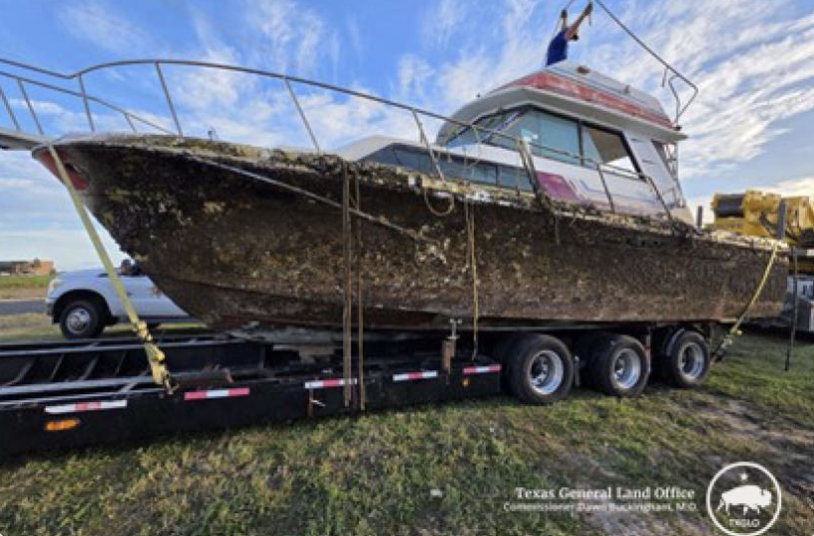
Texas Land Commissioner Dawn Buckingham, M.D., announced recently that another round of abandoned boats has been pulled from Texas waters, part of an ongoing effort to keep the coast safe, clean, and open for business. The General Land Office’s Oil Spill Division, working with the Coastal Resources Division, wrapped up the removal of five derelict vessels from across the coast, a project made possible with funding from the National Oceanic and Atmospheric Administration’s Cycle 28 Texas Coastal Management Program. That program awards about $2.2 million annually in grants that support habitat and wildlife protection, as well as projects that strengthen the future of coastal communities.
For Buckingham, the message is clear: these removals are about more than clearing away old debris. They are about ensuring that Texas waters remain safe for families, for wildlife, and for commerce. “It is an honor to continue GLO’s mission to keep the Texas coast clean by ensuring derelict vessels are disposed of safely,” she said. “Removing derelict vessels not only keeps the Texas coast cleaner but also promotes trade and commerce that is vital to our state. The removal of these vessels by the Oil Spill program, with support from the GLO’s Coastal Resources division, shows a commitment to a better future for coastal communities, habitats, and marine environments. I thank them for their hard work and their dedication to keeping Texas waters safe for everyone.”
The list of vessels removed reflects just how far the problem of abandoned boats stretches across the state’s waterways. In Nueces County, a 32-foot recreational vessel nicknamed Doctors Orders Too had become a quirky local landmark after it sank near the Brewster Street Icehouse at Laguna Madre. Locals joked about it, and in some ways the wreck had become a mascot for the area, but its removal drew cheers from residents who knew it was time for the vessel to go. Other removals included a 45-foot fishing vessel from Matagorda County’s Gulf Intracoastal Waterway, a 17-foot recreational vessel in Galveston County’s portion of the waterway, a 24-foot recreational boat pulled from Offatts Bayou, and a 19-foot vessel removed from Cedar Bayou in Chambers County.
These latest removals follow earlier efforts in which the GLO partnered with the Gulf of America Alliance to dispose of five other abandoned boats in South Galveston County. That project alone cleared out more than 21,000 pounds of debris, a reminder of just how much material these wrecks can contribute to Texas waters if they are left unattended.
The work is not finished. Buckingham’s office confirmed that another removal project is already on the calendar for late September. That effort aims to dispose of 11 additional vessels spread across Orange, Chambers, Galveston, Matagorda, Nueces, Willacy, and Cameron counties. As with all coastal projects, weather and safety conditions will determine the pace and reach of that operation.
Behind these efforts is the framework provided by the Oil Spill Prevention and Response Act of 1991, which gives the GLO authority to remove and dispose of derelict vessels when they pose a risk. Under Texas law, abandoned vessels cannot be left to rot in coastal waters, public lands, private docks, or shorelines if they are dismantled, wrecked, or otherwise hazardous. The law is clear: vessels that threaten navigation, public health, the environment, or risk a spill of oil or fuel must be addressed.
The challenge, however, is that the state is not required to remove them, and the GLO has no dedicated funding stream for the task. Costs run high, often more than $1,500 per linear foot, depending on the size and location of the vessel. Because of those costs, each removal requires careful coordination with Texas Parks and Wildlife to determine ownership, provide legal notification, and then safely dispose of the boats once due process has run its course.
Buckingham has made clear that the effort is worth it. Since becoming Texas’ first female Land Commissioner in 2022, she has placed a strong emphasis on disaster response, support for Texas energy, protection of public lands, and security for veterans and border communities. Cleaning up Texas waters fits squarely within that vision, both as a safeguard for the environment and as a way to support economic growth. Every abandoned boat that comes out of the water reduces risks for other vessels, clears the way for commercial activity, and restores the coast for residents and visitors alike.
The sunken boats might look like little more than an eyesore, but the damage they cause can ripple out in ways that affect everyone. By pulling them out of the water, the GLO is taking one more step to protect the coast and ensure Texas waters remain safe, healthy, and open for generations to come.
RECENT

Crayons, Carbs, and Catastrophic Data Loss (Avoided)
Uncategorized
Bluegrass Duo Celebrates Milestone
Entertainment

Indiana Prosecutor Sends Clear Message on Child Neglect
Child Abuse

Oklahoma School Safety Bill Moves Forward
Education

Grace Kelly: Irish Roots Behind an American Icon
Legends of the American Spirit

Strength Beyond Sight in Texas
In The States

You Might Be Speaking Irish Without Knowing It
Did You Know?

Country Legends Hit 40-Year Mark
Entertainment

Kentucky Targets Classroom Violence
Education

Spring Into the Weekend
Dating
BE THE FIRST TO KNOW
Want to stay in the loop? Be the first to know! Sign up for our newsletter and get the latest stories, updates, and insider news delivered straight to your inbox.

More Content By
Think American News StaffBluegrass Duo Celebrates Milestone
Entertainment
Indiana Prosecutor Sends Clear Message on Child Neglect
Child Abuse
Oklahoma School Safety Bill Moves Forward
Education
Grace Kelly: Irish Roots Behind an American Icon
Legends of the American Spirit
Strength Beyond Sight in Texas
In The States
You Might Be Speaking Irish Without Knowing It
Did You Know?
Country Legends Hit 40-Year Mark
Entertainment
Kentucky Targets Classroom Violence
Education
Spring Into the Weekend
Dating

The Truth About Fitness: It’s No Longer a Choice
Friday Fuel
View All Content By Think American News Staff