
He Made the World Laugh—But Carried a Quiet Sadness Few Ever Knew
Adobe Stock/Ulf/stock.adobe.com
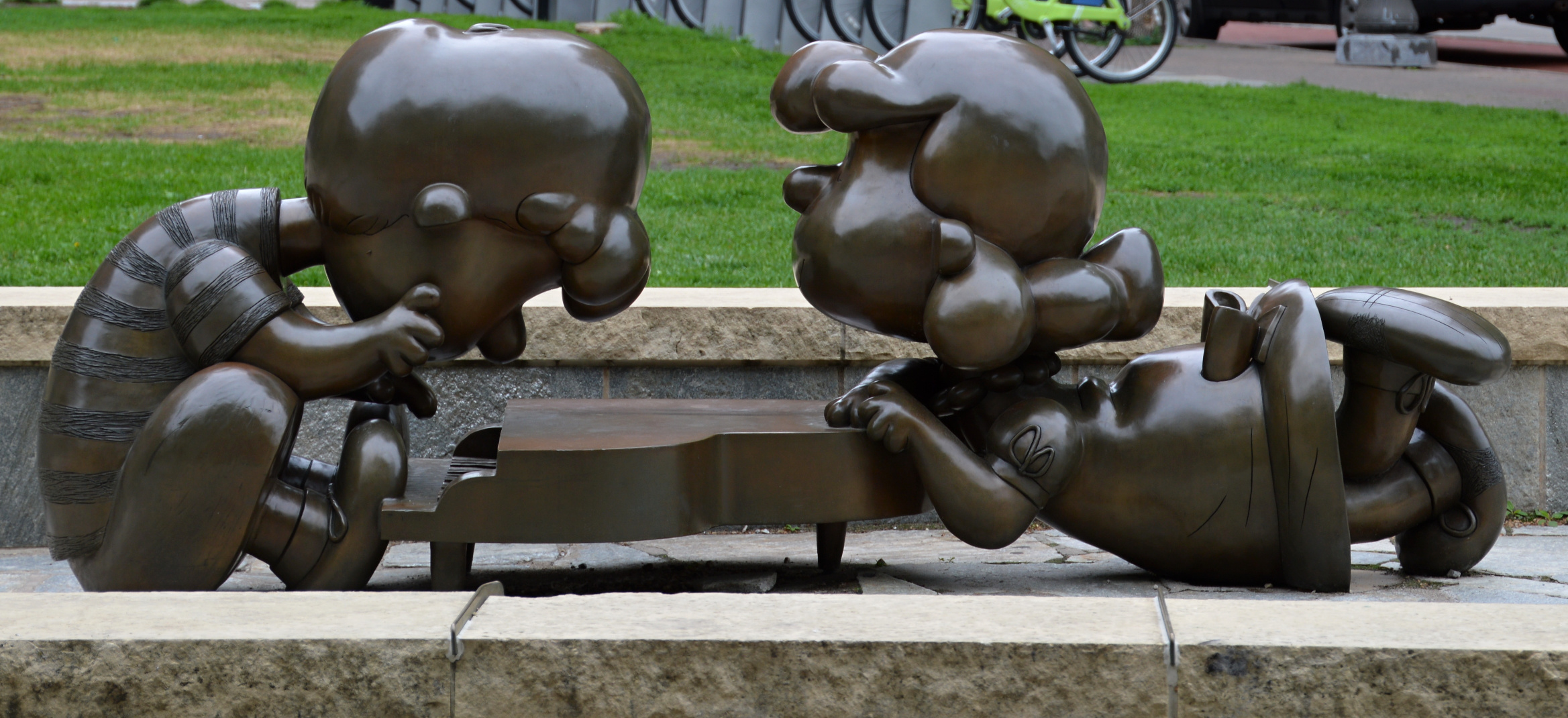
Before the world knew Charlie Brown, Snoopy, Lucy, or Linus, there was a quiet boy in Minnesota with a pencil, a love of comics, and a name that would one day be etched into the fabric of American culture. Charles M. Schulz didn’t set out to become a cultural giant—he just wanted to draw. But through decades of gentle humor, emotional honesty, and enduring characters, he gave voice to millions of Americans navigating life’s disappointments, triumphs, and simple joys. His life and legacy are a testament to the American spirit in its most relatable form.
Born in Minneapolis in 1922, Schulz grew up during the Great Depression. He was shy, deeply introspective, and fiercely attached to his dog, Spike—who would later inspire a certain beagle that would become an international icon. He was bright but overlooked. In fact, one of his teachers once told him he’d never amount to much as an artist. That doubt, like so many setbacks in his life, didn’t stop him. It just quietly followed him—and fueled him.
After high school, Schulz was drafted into the U.S. Army. He served in Europe during World War II as a staff sergeant with the 20th Armored Division, manning a .50 caliber machine gun. He saw combat. He knew fear. And he came home with a gentler view of the world—one that would later echo through his work not with violence or victory, but with humility, humor, and heart.
In 1950, Schulz introduced Peanuts to the world. It was a simple, four-panel strip about a bald-headed boy who couldn’t kick a football and his dog who thought he was a World War I flying ace. But it wasn’t just a comic. It was a mirror. Peanuts spoke softly and carried truth. It captured the anxieties of a generation, the insecurities of childhood, the absurdity of adulthood, and the absurd hope we all cling to—even when Lucy moves the ball again.
Schulz wrote and drew every single Peanuts strip by hand for nearly 50 years—over 17,000 in total. That kind of consistency, that commitment to craft, is rare. But it wasn’t just output that made him remarkable—it was what he put into those lines. Without preaching or posturing, Schulz slipped deep themes into his comics: war, faith, loneliness, unrequited love, and the eternal search for meaning. He introduced one of the first Black characters in a mainstream comic strip—Franklin—in 1968, after receiving a letter from a schoolteacher urging him to do so. Schulz didn’t make it political. He just made it human. That was his gift.
Millions found comfort in Peanuts. Presidents quoted him. Schools and churches taught with his characters. Families gathered every year for A Charlie Brown Christmas—a simple special that dared to center on loneliness and faith at a time when holiday programming was glitter and fluff. It ended not with fanfare but with Linus quietly reciting the story of Christ’s birth. And people listened. They still do.
But behind the success was still the boy from Minnesota. Schulz struggled with depression. He questioned his place in the world. He once said, “I think I’ve discovered the secret of life—you just hang around until you get used to it.” There was always something quietly radical about the vulnerability he put on the page. He told the truth about how hard it is to be alive. And how important it is to laugh anyway.
Charles M. Schulz passed away in 2000, just hours before his final Peanuts strip was published. He had written a farewell, explaining that he could no longer draw due to illness, and that the characters would not continue without him. They were, as he said, “only meant to be drawn by one person.” That decision—to end it rather than hand it off—was pure Schulz. Honest, loyal, and quietly profound.
Today, the legacy of Peanuts lives on—not just in reruns or merchandise, but in the lives of people who grew up with Charlie Brown’s persistence, Snoopy’s imagination, Linus’s wisdom, and Lucy’s bravado. Schulz gave America a cast of characters who weren’t superheroes or celebrities. They were us. Flawed, funny, hopeful. Still trying. Still believing.
That’s why this Sunday, Charles M. Schulz takes his place as a Legend of the American Spirit. Because sometimes, shaping the soul of a nation doesn’t happen on a battlefield or in the halls of power—it happens in quiet drawings, daily reflections, and moments of shared laughter. Schulz never demanded attention. He just showed up, day after day, with ink, empathy, and the quiet courage to tell the truth.
And for that, America will always be grateful.
RECENT

Creating a Cozy Home That Supports Your Well-Being
Health & Wellness

Creating a Cozy Home That Supports Your Well-Being
Health & Wellness

5 Easy Ways to Prepare for the Next Season Before It Takes Over
Health & Wellness

Your 40s Aren’t Just About Hormones — They’re About Your Heart
Uncategorized

Wellness Benefits of Pumpkin Season
Health & Wellness

Fall Into Wellness: Creating a Healthier Autumn Routine
Health & Wellness

How to Prepare for Holiday Stress Before It Takes Over
Fitness
🇺🇸 Why the Liberty Bell Doesn’t Actually Ring Anymore
Did You Know?

A Rock Star’s Road to Redemption
Entertainment
New York Community Replaces Defaced Declaration Replica
America
BE THE FIRST TO KNOW
Want to stay in the loop? Be the first to know! Sign up for our newsletter and get the latest stories, updates, and insider news delivered straight to your inbox.

More Content By
Think American News Staff🇺🇸 Why the Liberty Bell Doesn’t Actually Ring Anymore
Did You Know?
A Rock Star’s Road to Redemption
Entertainment
New York Community Replaces Defaced Declaration Replica
America

Kentucky Bridge Project Gets $24M Boost
American Infra

Arizona Extends Farm Water Fee Relief
In The States

Michigan Storm Recovery Gets Bipartisan Federal Boost
In The States

Canada Says Goodbye To Country Gentleman Tommy Hunter
Entertainment

PA Lawmakers Focus on Energy
Energy

John Adams Saw America’s Future Before Anyone Else
America
The Revolutionary Ideas Behind July 4
Did You Know?
View All Content By Think American News Staff