
Jul 12
Education
Virginia Senate Republicans Question Legal Challenge Over University Board Appointments
Adobe Stock/demerzel21/stock.adobe.com
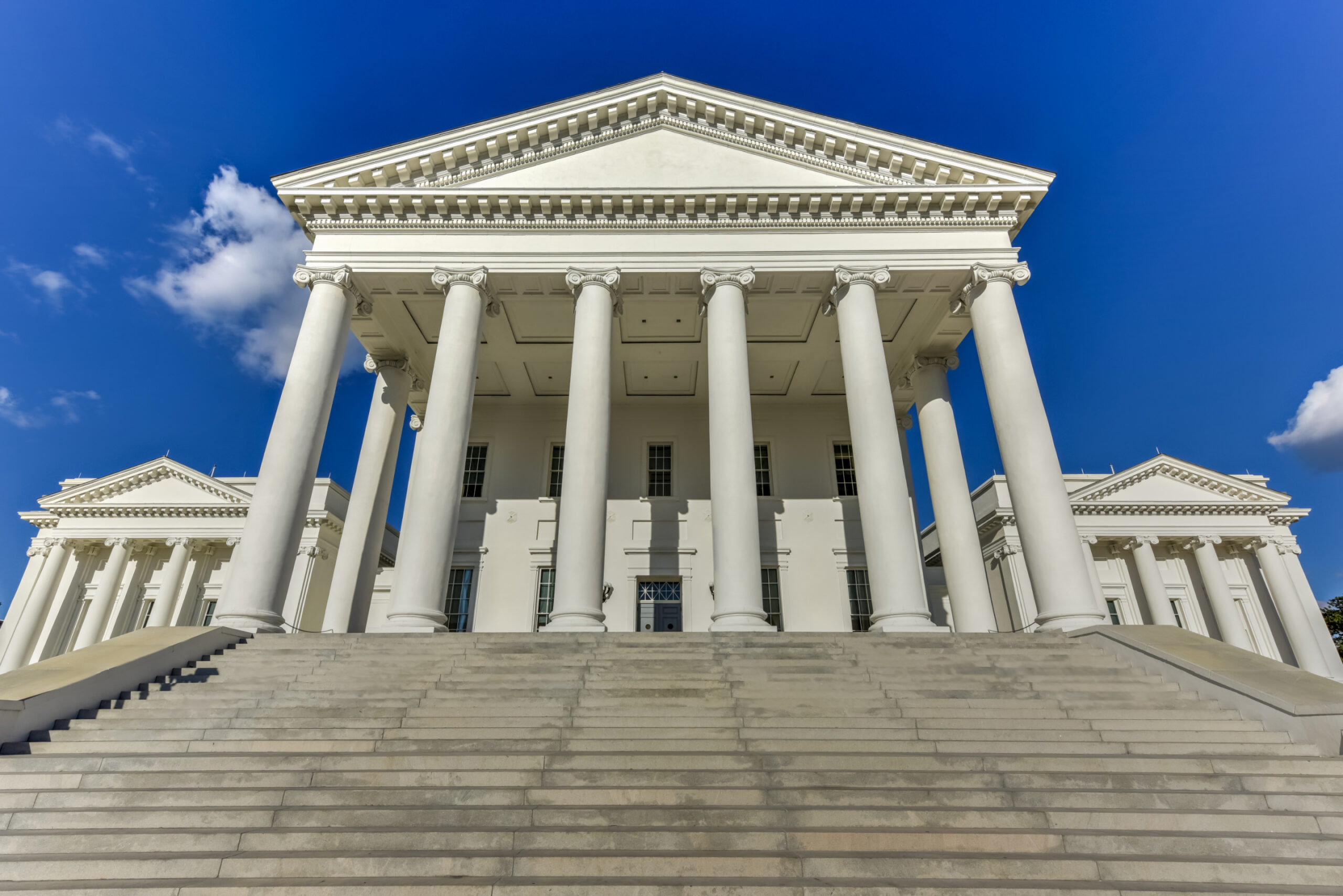
Senate Republican leaders issued a response yesterday to a letter circulated earlier this week by Senate Majority Leader Scott Surovell and members of the Senate Democratic Caucus, which called on the Boards of Visitors at Virginia’s public colleges and universities to resist what it described as “external interference” and to reaffirm the institutions’ tradition of self-governance.
The Republican response focused on what they described as conflicting actions by Senate Democrats, citing recent efforts to challenge certain gubernatorial appointments to university boards. GOP leaders pointed to a pending lawsuit filed by Democratic lawmakers in Fairfax Circuit Court and statements made about former President Donald Trump’s public criticism of University of Virginia President Jim Ryan, who announced his resignation earlier this year.
“In one breath, Senator Surovell decries ‘external interference’ and praises Virginia’s proud tradition of self-governance,” said Senate Minority Leader Ryan McDougle. “In the next, he’s spearheading a lawsuit attempting to strip university boards of the ability to recognize duly appointed board members.”
The Democratic letter, addressed to the boards of all state-supported institutions, emphasized support for institutional autonomy, academic freedom, and the historical role of Virginia’s colleges and universities in driving economic growth and innovation. It encouraged boards to “protect their institutions’ academic freedom, financial integrity, and educational mission from any interference.”
Senator Mark Obenshain, Chairman of the Senate Republican Caucus, said the letter omits recent Democratic efforts to discourage boards from seating appointees of Governor Glenn Youngkin.
“It’s astonishing that the same people who demanded that rectors refuse to seat certain gubernatorial appointees are now claiming to champion ‘independence’ for our public institutions,” Obenshain said.
Republican senators emphasized that Virginia’s public institutions are created by and accountable to the General Assembly and funded by state taxpayers. They affirmed their support for academic excellence and inquiry, while also defending the role of state oversight in governance.
“We strongly support academic excellence and freedom of inquiry,” Obenshain added. “But there’s nothing improper about ensuring that our public universities reflect the values and priorities of the people of Virginia. That’s not interference—that’s representative government.”
The GOP leaders expressed concern that recent legal and political actions may politicize the governing process for higher education in the Commonwealth.
“Our institutions deserve better than this performative double standard,” said McDougle. “Virginia’s students and families are watching—and they know the difference between real leadership and political theater.”
The exchange reflects broader tensions over the balance of autonomy and accountability in public higher education, particularly around the roles and appointments of university boards. Both parties continue to emphasize their commitment to maintaining the quality and reputation of Virginia’s institutions while advancing differing perspectives on how they should be governed.
RECENT

A Century of Appalachian Music Lives On
Entertainment

America’s Other Midnight Rider
Legends of the American Spirit

Michigan Speaker Pushes Drug Crackdown
In The States
Arizona Tightens Sex Offender Rules
In The States

It’s Never Too Late
Did You Know?

Meet Taylor Mieszkuc: A Rising Voice with “Matches”
Entertainment

Kentucky Acts on School Violence
Education

Breathe Your Way Back to Control
Friday Fuel

Where America Is Headed This Weekend
Happiness

Pennsylvania Veterans Expo Honors America 250
In The States
BE THE FIRST TO KNOW
Want to stay in the loop? Be the first to know! Sign up for our newsletter and get the latest stories, updates, and insider news delivered straight to your inbox.

More Content By
Think American News StaffA Century of Appalachian Music Lives On
Entertainment
America’s Other Midnight Rider
Legends of the American Spirit
Michigan Speaker Pushes Drug Crackdown
In The States
Arizona Tightens Sex Offender Rules
In The States
It’s Never Too Late
Did You Know?
Kentucky Acts on School Violence
Education
Where America Is Headed This Weekend
Happiness
Pennsylvania Veterans Expo Honors America 250
In The States
Texas Seeks Veteran Stories
In Service

Ray Stevens Recovering After Fall
Entertainment
View All Content By Think American News Staff