Jul 06
History
The Teenage Girl Who Outrode Revere to Save the Revolution
Adobe Stock/rudall30/stock.adobe.com
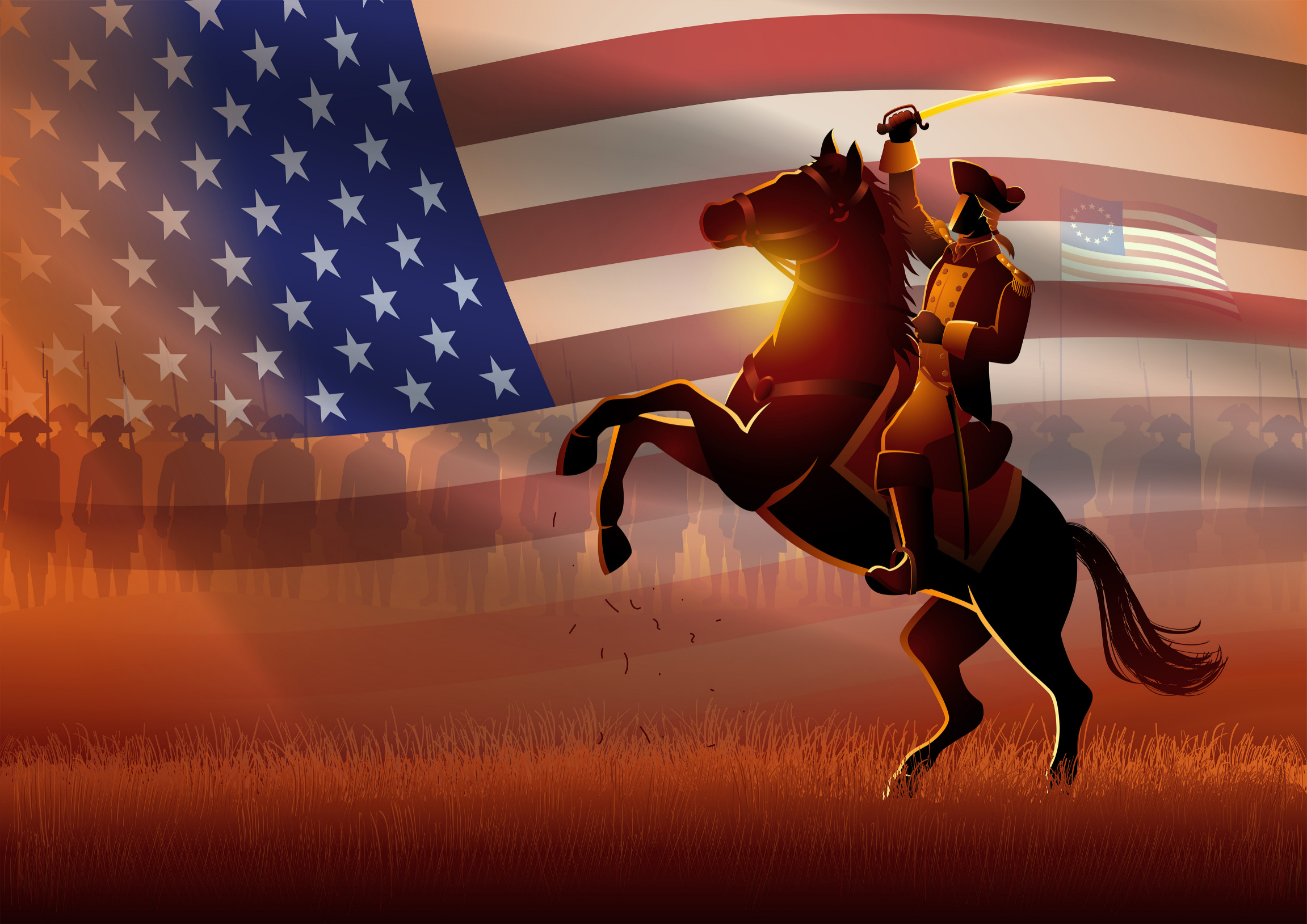
Long before sunrise cracked through the trees of rural New York, a teenage girl was already galloping through pitch-black woods, soaked by rain and driven by urgency. Her name was Sybil Ludington, and though she was just 16 years old, she rode alone through the night to warn American troops of an impending British attack—covering more ground than Paul Revere and rallying hundreds to defend the cause of liberty.
It was the night of April 26, 1777, when Sybil’s father, Colonel Henry Ludington, received word that the British were burning the nearby town of Danbury, Connecticut. As the head of the local militia in Dutchess County, New York, he needed to summon his men—scattered across miles of countryside—immediately. But there was no time to dispatch multiple messengers, and no one available to ride. No one, that is, except Sybil.
Without hesitation, she mounted her horse and took off into the storm. She rode through darkness, along winding roads, knocking on doors, shouting for the men to rise and gather their arms. She covered at least 40 miles that night, nearly twice the distance of Revere’s more famous ride. She faced not only the threat of British soldiers and Loyalist sympathizers, but the very real dangers of wild animals, highway robbers, and the unforgiving terrain of the Hudson Valley.
But she didn’t stop.
By dawn, thanks to her efforts, the militia had been alerted. Hundreds of men rallied to Colonel Ludington’s side, though they were ultimately too late to save Danbury. Still, Sybil’s ride had made a difference—it helped the Patriots regroup, harass the British as they retreated, and remind the locals that resistance was alive and well, even in the face of brutal setbacks.
It wasn’t just a brave act. It was an act of belief—a teenage girl choosing to ride into danger for a cause she believed in deeply: freedom from tyranny, and the hope of a nation not yet born.
Sybil’s story is the kind we don’t hear often enough. Her name doesn’t appear in most history books. There are no catchy poems commemorating her. No legendary midnight shout of “The British are coming!” But what she did was real, remarkable, and deeply American.
She wasn’t seeking fame or glory. She wasn’t accompanied by guards or guided by lanterns. She did what needed to be done when no one else could. That’s the kind of spirit this country was built on—not just by generals and founding fathers, but by ordinary people rising to meet extraordinary moments.
After the war, Sybil lived a quiet life. She married, had children, and never sought recognition for her ride. It wasn’t until years later that her story began to surface—shared first by local historians, then picked up by those who realized that the Revolution wasn’t just won on battlefields, but in kitchens, barns, and muddy backroads. She died in 1839, still largely unknown outside her community.
Today, there’s a statue of Sybil in Carmel, New York, and a few scattered markers that commemorate her ride. But she’s still a ghost in the wider American memory. That’s part of why her story matters so much. She represents the quiet, uncelebrated courage that has always powered this country forward.
When we talk about the American spirit, it’s tempting to picture iconic speeches or grand victories. But more often, it looks like Sybil Ludington—soaked, tired, brave, and relentless in pursuit of something bigger than herself.
She didn’t carry a musket or write a manifesto. She carried a message. And that message sparked movement.
In an age when young people are often underestimated, when heroism is too often measured by headlines or hashtags, Sybil reminds us that true impact sometimes rides in quietly, soaked by rain and lit only by determination.
So this Sunday, we honor Sybil Ludington. Not because she asked to be remembered—but because she deserves to be. Her ride may not be in the spotlight of our nation’s founding myths, but it helped shape the course of freedom. That’s what legends are made of. And that’s why she stands tall among the Legends of the American Spirit.
RECENT

Arizona House Toughens Sexual Extortion Law
In The States

Deli Meats & Democracy
Uncategorized

Michigan Students Invited to Compete for “Representative for a Day”
Education

A Statewide Celebration of Stories, Learning, and Lifelong Literacy in Michigan
Education
Marcell Highlights Sextortion Prevention
In The States
How Frederick Douglass Helped Move America Forward
History

William Lee Golden Releases Golden Memories
Entertainment

One Constitutional Amendment Took 203 Years to Pass
Did You Know?
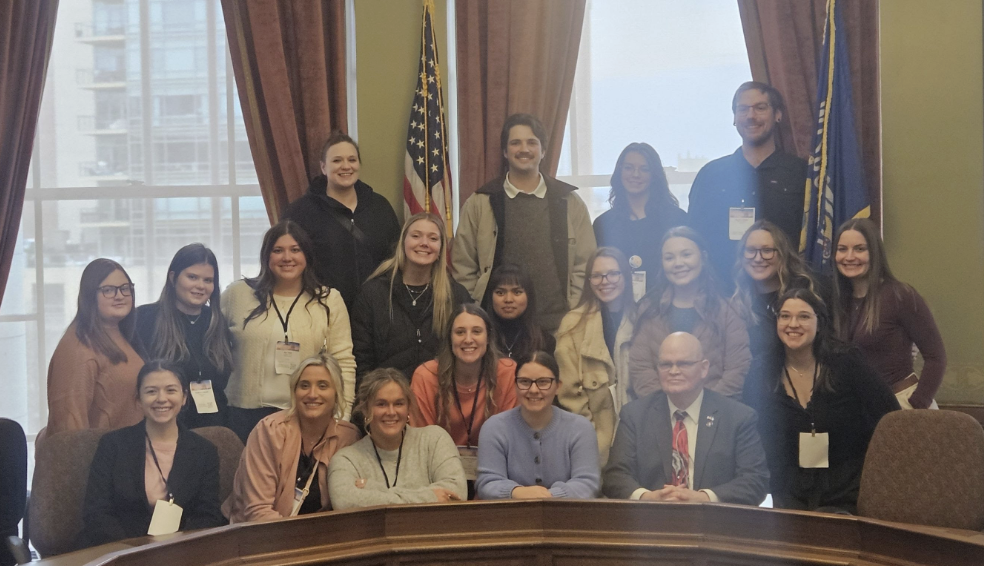
2026 Nurses Day at the Capitol Draws Hundreds to Madison, WI
Health & Wellness

Your Weekend Game Plan Starts Here
America
BE THE FIRST TO KNOW
Want to stay in the loop? Be the first to know! Sign up for our newsletter and get the latest stories, updates, and insider news delivered straight to your inbox.

More Content By
Think American News StaffArizona House Toughens Sexual Extortion Law
In The States
Michigan Students Invited to Compete for “Representative for a Day”
Education
A Statewide Celebration of Stories, Learning, and Lifelong Literacy in Michigan
Education
Marcell Highlights Sextortion Prevention
In The States
How Frederick Douglass Helped Move America Forward
History
William Lee Golden Releases Golden Memories
Entertainment
One Constitutional Amendment Took 203 Years to Pass
Did You Know?
2026 Nurses Day at the Capitol Draws Hundreds to Madison, WI
Health & Wellness
Your Weekend Game Plan Starts Here
America

Kentucky Jury Delivers 285 Years in Child Exploitation Case
Law and Order
View All Content By Think American News Staff