Jun 22
Health & Wellness
With Medicaid Costs Surging, Indiana Enacts Sweeping Reforms
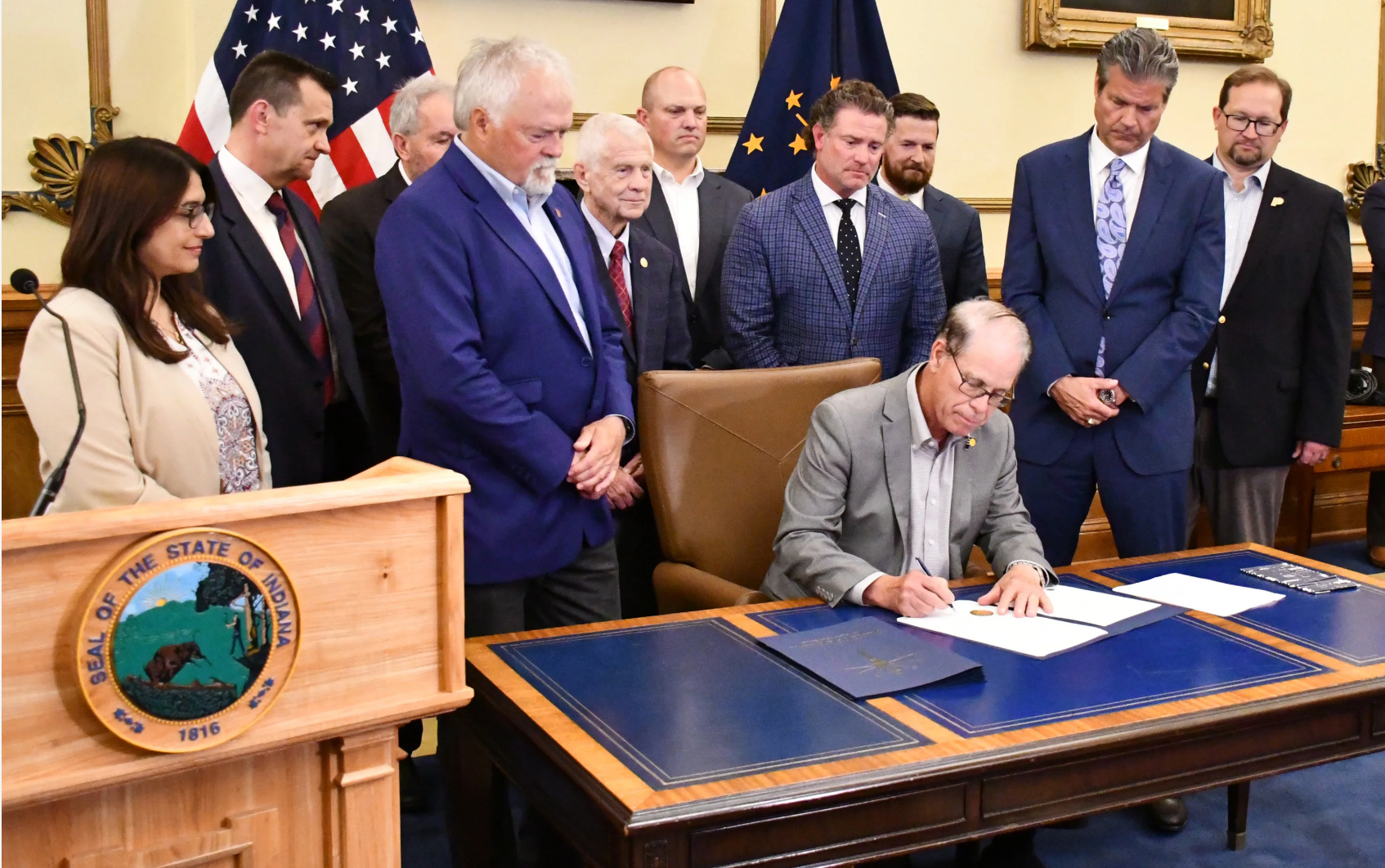
Governor Mike Braun today ceremonially signed Senate Enrolled Act 2 into law, marking a major step forward in Indiana’s efforts to rein in the rising costs of its Medicaid program. Authored by State Senator Chris Garten, the new law aims to strengthen program integrity, ensure resources are directed to the truly eligible, and protect the sustainability of Medicaid for future generations.
“Indiana’s Medicaid costs have been rising at an unsustainable rate,” said Sen. Garten. “With spending increasing by $5 billion over the past four years, critical priorities like K-12 education and public safety are being squeezed. SEA 2 offers the reforms we need to ensure Medicaid is both effective and financially responsible.”
SEA 2 introduces a slate of changes to improve oversight of Medicaid eligibility and increase accountability among providers. Under the law, Indiana’s Family and Social Services Administration (FSSA) will be required to enter into data-sharing agreements with other state agencies. This move is designed to enable more frequent and thorough eligibility reviews, reducing the risk of taxpayer dollars going toward individuals who no longer qualify.
A key provision also tightens standards around “presumptive eligibility”—a process that allows hospitals to temporarily enroll patients in Medicaid based on basic intake questions. Under SEA 2, hospitals that repeatedly enroll individuals who are later found ineligible could lose the ability to offer presumptive coverage altogether.
“If a person isn’t truly eligible for coverage, Hoosier taxpayers should not be on the hook,” Garten said. “This bill helps preserve Medicaid for those who need it most by preventing improper payments.”
The legislation also targets reforms to the Healthy Indiana Plan (HIP), a Medicaid program tailored for low-income adults without disabilities. SEA 2 instructs FSSA to seek federal approval to cap HIP enrollment if program costs surpass available state funding. It also introduces a work requirement for able-bodied, working-age adults, mandating 20 hours per week of work or volunteer service unless exempted for reasons such as caregiving, pregnancy, or addiction treatment.
“The HIP program is meant to be a temporary bridge for people in tough times—not a permanent safety net,” said Garten. “Indiana simply cannot afford to let the program continue on its current trajectory.”
The reforms to HIP included in the bill will require approval from the U.S. Department of Health and Human Services before they can be implemented. With the Trump administration now in office, Indiana officials are hopeful those waivers will be granted.
“Fiscal integrity is crucial,” Garten added. “With SEA 2, we are taking real steps to ensure that Medicaid can continue to serve Indiana’s most vulnerable without undermining the state’s overall financial stability.”
RECENT

Winston Group: Economy Likely to Drive 2026 Midterms
Economy

The Amazing Science of Fireflies
Did You Know?

Rosemary Bonner: Your Body Is Talking. Are You Listening?
Friday Fuel

World Cup Energy Meets Summer Tradition
Dating

Heather Jenkins: Easy Summer Hosting Made Simple
Health & Wellness

Tennessee Law Covers Faith and History
In The States

PA’s Tax Cut Framed Around Household Bills
In The States

Typewriters and Flamingos
Offbeat Observances

Wisconsin Strengthens Child Protection Laws
In The States

The Man Who Painted America’s Story
Legends of the American Spirit
BE THE FIRST TO KNOW
Want to stay in the loop? Be the first to know! Sign up for our newsletter and get the latest stories, updates, and insider news delivered straight to your inbox.

More Content By
Think American News StaffWinston Group: Economy Likely to Drive 2026 Midterms
Economy
The Amazing Science of Fireflies
Did You Know?
World Cup Energy Meets Summer Tradition
Dating
Tennessee Law Covers Faith and History
In The States
PA’s Tax Cut Framed Around Household Bills
In The States
Wisconsin Strengthens Child Protection Laws
In The States
The Man Who Painted America’s Story
Legends of the American Spirit

Michigan Lawmaker Calls for Stronger Reading Standards
Childhood
Winston Group: GOP Economic Advantage Continues to Slip
Uncategorized

What Your Butterflies Are Trying to Tell You
Did You Know?
View All Content By Think American News Staff