May 18
Faith
Faith Matters—But Fewer Americans Are Sitting in the Pews
Adobe Stock/ zlatoust198323/stock.adobe.com
While most Americans still say faith is important in their daily lives, a new Rasmussen Reports poll shows a growing divide between personal belief and public worship.
According to the national survey conducted May 1 and 4–5, 2025, 66% of U.S. adults say religious faith plays a role in their day-to-day life—including 41% who say it’s “very important.” But when it comes to showing up at a place of worship, only 20% attend services weekly or more, and a striking 37% say they rarely or never go.
That gap is part of a broader shift in American religious habits. Even though 70% of Republicans, 52% of Democrats, and 46% of independents identify with traditional Christian denominations (Catholic, Protestant, or Evangelical), regular attendance is much lower. Just 26% of Republicans, 19% of Democrats, and 16% of unaffiliated voters attend services at least weekly.
The faith gap also falls along age and gender lines:
- Women are more likely than men to say faith is “very important” (46% vs. 37%).
- Men under 40 are the least likely demographic to prioritize faith.
- Atheism is nearly twice as common among men (13%) as women (6%).
Religious identity also varies across groups:
- 21% identify as Roman Catholic, 20% Protestant, and 14% Evangelical Christian.
- 10% of respondents say they are atheist, and 15% are unsure of their religion.
- Muslims (3% of the population) are the most likely to say religion is “very important” (84%).
Attendance numbers reflect similar demographic divides. Only 15% of Americans say they attend weekly or nearly weekly. About one-quarter (23%) say they go “occasionally,” and another 14% attend at least monthly. The remainder either show up rarely—or not at all.
Rasmussen’s findings mirror a broader national trend: while belief remains common, traditional religious structures are playing a diminished role in many Americans’ lives.
With just one in five regularly attending services despite two-thirds saying faith matters, America is navigating a new spiritual era—one where belief is increasingly personal, and less often tied to the pew.
RECENT

Your 40s Aren’t Just About Hormones — They’re About Your Heart
Uncategorized

Wellness Benefits of Pumpkin Season
Health & Wellness

Fall Into Wellness: Creating a Healthier Autumn Routine
Health & Wellness

How to Prepare for Holiday Stress Before It Takes Over
Fitness
🇺🇸 Why the Liberty Bell Doesn’t Actually Ring Anymore
Did You Know?

A Rock Star’s Road to Redemption
Entertainment
New York Community Replaces Defaced Declaration Replica
America
How Four Seconds Can Help Calm the Mind
Friday Fuel

Heather Jenkins and The Power of Intentional Rest
Health & Wellness

Kentucky Bridge Project Gets $24M Boost
American Infra
BE THE FIRST TO KNOW
Want to stay in the loop? Be the first to know! Sign up for our newsletter and get the latest stories, updates, and insider news delivered straight to your inbox.
More Content By
Think American News Staff🇺🇸 Why the Liberty Bell Doesn’t Actually Ring Anymore
Did You Know?
A Rock Star’s Road to Redemption
Entertainment
New York Community Replaces Defaced Declaration Replica
America
Kentucky Bridge Project Gets $24M Boost
American Infra

Arizona Extends Farm Water Fee Relief
In The States

Michigan Storm Recovery Gets Bipartisan Federal Boost
In The States
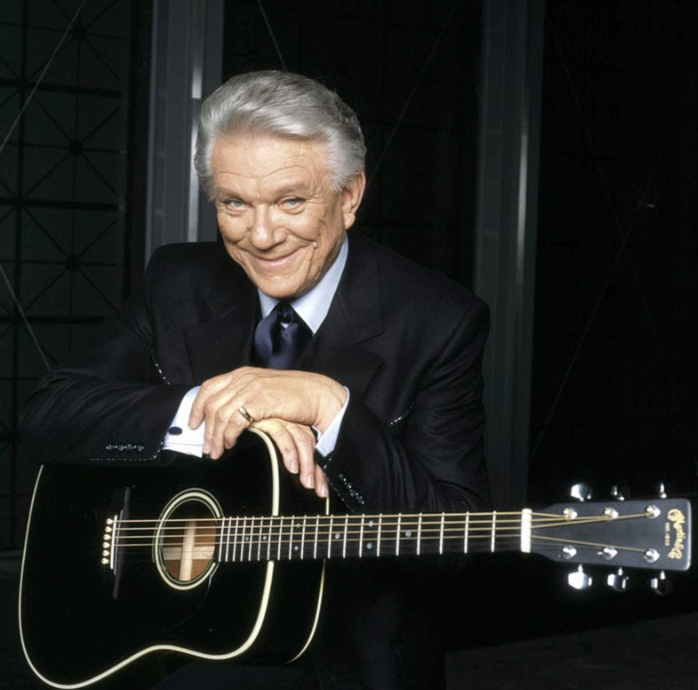
Canada Says Goodbye To Country Gentleman Tommy Hunter
Entertainment
PA Lawmakers Focus on Energy
Energy

John Adams Saw America’s Future Before Anyone Else
America
The Revolutionary Ideas Behind July 4
Did You Know?
View All Content By Think American News Staff