May 05
Environment
New York’s Push for Clean Trucks: Are We Ready for the Big Shift?
Adobe Stock/ phonlamaiphoto/stock.adobe.com

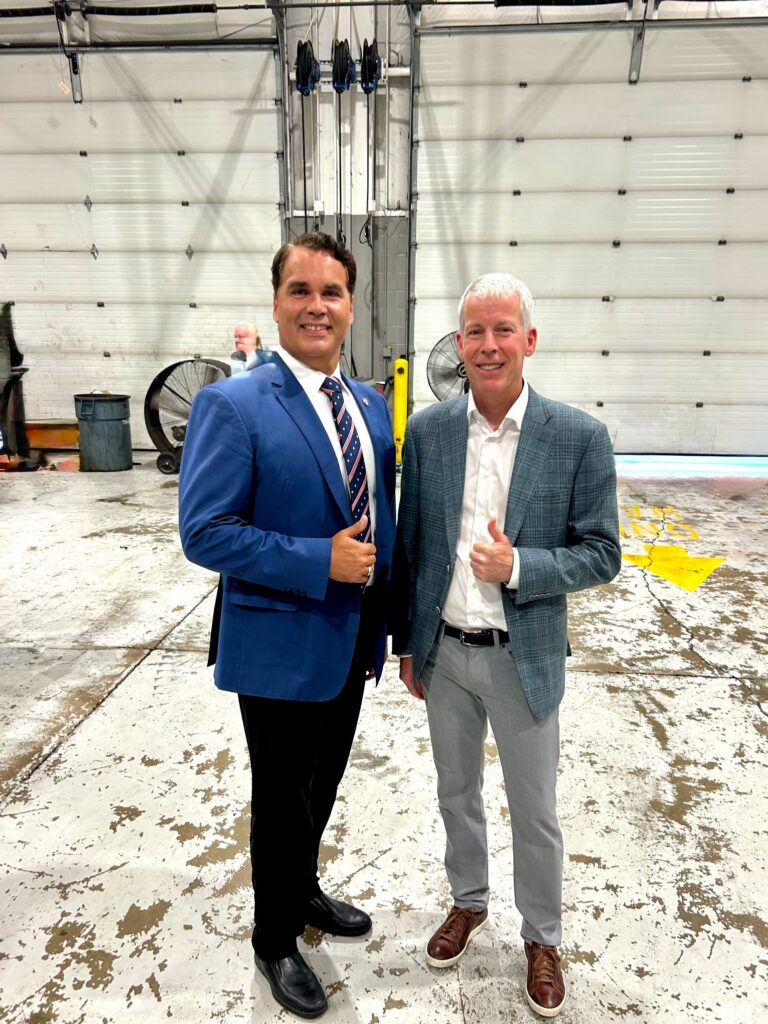
New York State Senator Joseph Griffo hosted a critical meeting last week in Albany to address concerns surrounding the state’s Advanced Clean Truck (ACT) Rule. The meeting brought together business leaders, local officials, and representatives from various associations to discuss the potential negative impact of the regulation.
In late 2021, the governor announced the adoption of the ACT Rule, a part of the state’s efforts to meet targets set by the Climate Leadership and Community Protection Act (CLCPA). The regulation mandates that by 2025, medium and heavy-duty vehicles—including municipal plows—must be zero-emission, with the goal of achieving 100% zero-emission trucks over 8,500 pounds by 2045. However, this rule has faced significant opposition from business groups, including the New York State Automobile Dealers Association, the Trucking Association of New York, and local highway departments, which argue that the rule could be detrimental to businesses and communities. These groups have called for a delay in implementation due to insufficient infrastructure and the limited availability of suitable zero-emission vehicles.
The meeting, which included Michael Martucci, Regional Administrator for the EPA, as well as key representatives from various local organizations, provided a platform for stakeholders to voice concerns directly to the EPA. While Senator Griffo acknowledged the need for clean energy initiatives, he also emphasized that the swift implementation of the ACT Rule could place an undue burden on industries, municipalities, and local businesses that are not yet equipped to meet the regulation’s requirements. Griffo introduced legislation, Senate Bill S.1749, which seeks to delay the enforcement of the ACT Rule until infrastructure and the availability of zero-emission trucks improve.
“There is a real need to ensure that the infrastructure and vehicle options are in place before such significant changes are made,” said Senator Griffo. “While we understand the need to embrace clean energy, we must ensure that these mandates are manageable and realistic for businesses and communities.”
The debate over the ACT Rule is tied to New York’s broader climate goals under the CLCPA, which many advocates of the rule argue are necessary for combating climate change and reducing emissions. Supporters of the ACT Rule contend that the transition to zero-emission vehicles is crucial for reducing greenhouse gas emissions and improving air quality. They emphasize the importance of setting strong regulations to drive innovation and accelerate the adoption of cleaner technologies. Proponents also argue that as technology advances, the costs of electric vehicles will continue to decrease, making them more accessible to a wider range of businesses and municipalities.
However, those opposing the rule highlight the challenges posed by the current lack of adequate charging infrastructure and the high costs of zero-emission vehicles. They warn that small businesses and local governments may struggle to meet the requirements without sufficient time to adapt, risking negative economic consequences.
In response to these concerns, Griffo’s legislation aims to delay the implementation of the ACT Rule until the necessary infrastructure is in place and the cost of zero-emission trucks becomes more practical for widespread adoption. Assemblymember Marianne Buttenschon has introduced a companion bill in the Assembly, seeking to provide more time to evaluate the impact of the regulation.
“This meeting was a critical opportunity to address the concerns of businesses and municipalities directly with the EPA,” Griffo said. “We need to slow down and fully understand the potential impacts of this regulation before proceeding further.”
The ACT Rule is a central part of New York’s efforts to transition to cleaner energy, but critics argue that its swift implementation could disrupt industries and communities that rely on medium and heavy-duty vehicles. As the debate continues, the outcome of Senate Bill S.1749 could significantly shape the future of transportation and climate policy in New York.
The discussion surrounding the ACT Rule highlights the ongoing tension between ambitious climate goals and the practical realities of implementation. New York’s leaders will continue to explore how to balance environmental priorities with the needs of businesses, local governments, and communities as the state moves forward with its clean energy initiatives.
RECENT
🇺🇸 Why the Liberty Bell Doesn’t Actually Ring Anymore
Did You Know?

A Rock Star’s Road to Redemption
Entertainment
New York Community Replaces Defaced Declaration Replica
America

How Four Seconds Can Help Calm the Mind
Friday Fuel

Heather Jenkins and The Power of Intentional Rest
Health & Wellness

Kentucky Bridge Project Gets $24M Boost
American Infra

Arizona Extends Farm Water Fee Relief
In The States

Macaroni, Dive Bars and Sundaes: July 7 Gets Weird
Offbeat Observances
Michigan Storm Recovery Gets Bipartisan Federal Boost
In The States

Canada Says Goodbye To Country Gentleman Tommy Hunter
Entertainment
BE THE FIRST TO KNOW
Want to stay in the loop? Be the first to know! Sign up for our newsletter and get the latest stories, updates, and insider news delivered straight to your inbox.

More Content By
Think American News Staff🇺🇸 Why the Liberty Bell Doesn’t Actually Ring Anymore
Did You Know?
A Rock Star’s Road to Redemption
Entertainment
New York Community Replaces Defaced Declaration Replica
America
Kentucky Bridge Project Gets $24M Boost
American Infra
Arizona Extends Farm Water Fee Relief
In The States
Michigan Storm Recovery Gets Bipartisan Federal Boost
In The States
Canada Says Goodbye To Country Gentleman Tommy Hunter
Entertainment
PA Lawmakers Focus on Energy
Energy

John Adams Saw America’s Future Before Anyone Else
America
The Revolutionary Ideas Behind July 4
Did You Know?
View All Content By Think American News Staff