Apr 26
Did You Know?
The ‘Door to Hell’ Has Been Burning for Over 50 Years—You Won’t Believe How It Started! 🔥🌍
Adobe Stock/generationclash/stock.adobe.com

Imagine standing at the edge of a vast, glowing pit. The air is warm, and the night sky above is lit by the flickering of flames that seem to burn endlessly. It’s not a scene from a futuristic novel or a science fiction film — this is a very real place on Earth: the Darvaza Gas Crater, also known as the “Door to Hell”. This extraordinary natural phenomenon has been burning continuously for over 50 years, and it all started with an accidental blaze caused by Soviet geologists in 1971.
The Darvaza Gas Crater is located in the Karakum Desert of Turkmenistan, a country in Central Asia that is home to vast stretches of arid, desert landscapes. The crater itself is a large, 230-foot-wide hole in the ground, filled with flames and smoke that have been spewing out of it since the 1970s. The fire, which has been blazing without interruption, has earned the crater its ominous nickname: the “Door to Hell”. This fiery pit continues to burn day and night, drawing curious tourists and travelers from around the world, eager to witness the natural wonder for themselves.
But how did this Door to Hell come into existence in the first place? The story begins in 1971, when a team of Soviet geologists, who were in Turkmenistan to explore the area for natural gas reserves, made a grave mistake. The geologists were drilling a test well in the Karakum Desert when they struck a massive pocket of methane gas deep beneath the surface. As the drilling proceeded, the ground above the gas pocket collapsed, causing the formation of a large crater.
Fearing that the gas would spread and cause an explosive disaster, the geologists decided to take drastic measures. They chose to set the crater on fire in an attempt to burn off the methane, which was highly flammable. The idea was that the flames would burn off the gas, preventing any further dangerous buildup. The expectation was that the fire would burn itself out within a few weeks.
However, the fire didn’t go out. Instead, it kept blazing, and the geologists were unable to extinguish it. As the years went by, the flames continued to burn, and the crater became an increasingly noticeable feature in the desert landscape. Today, over 50 years later, the Darvaza Gas Crater is still burning bright, with no signs of slowing down.
The flames that shoot from the crater’s edge are fed by the continuous release of methane gas, which is still seeping from beneath the surface. The intense heat from the fire causes the sand around the crater to glow, creating a surreal, almost otherworldly scene that has captivated the imagination of both locals and visitors. The glowing pit has become a symbol of nature’s unpredictable power and humanity’s sometimes disastrous attempts to control it.
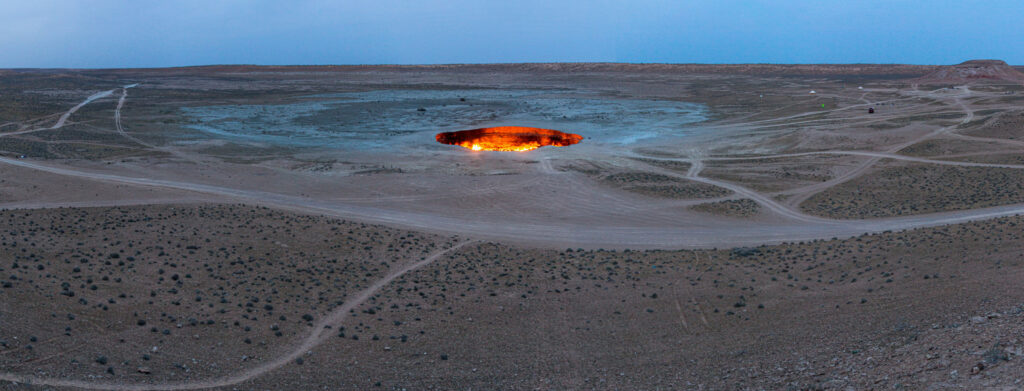
In Turkmenistan, the Darvaza Gas Crater has become a famous tourist destination, drawing visitors from all corners of the globe who come to see the fiery spectacle. It is especially stunning at night, when the full extent of the fire is visible against the dark desert sky. The sight of a burning crater in the middle of an otherwise barren landscape feels like something straight out of a fantasy novel or a science fiction film.
Locals refer to the crater as the “Door to Hell”, a fitting name given its fiery appearance and the constant blaze that seems to emanate from the depths of the Earth. The name captures the eerie and haunting nature of the site, as well as the sense of wonder and awe it inspires in anyone who lays eyes on it. The “Door to Hell” serves as a reminder of the forces of nature that we cannot control, as well as the mistakes that can result in long-lasting consequences.
While the Door to Hell has been a source of fascination for many, it has also raised questions about the environmental impact of such a long-lasting fire. The methane gas that continues to burn in the crater is a potent greenhouse gas, and experts have raised concerns about the impact of the continuous combustion on the environment. Methane is a significant contributor to global warming, and although the fire has burned for decades, the environmental cost of allowing it to continue is not insignificant.
Efforts to extinguish the fire have been made several times, but none have been successful. The government of Turkmenistan, despite recognizing the cultural and economic value of the site as a tourist attraction, has not been able to put out the flames. Some believe that the Door to Hell has become so iconic that it would be almost impossible to extinguish the fire without losing a key symbol of the country’s history. There are even debates about whether putting the fire out would be a mistake, as the crater has now become an integral part of Turkmenistan’s identity and tourism industry.
Despite the ongoing environmental and logistical challenges, the Darvaza Gas Crater is a powerful reminder of the unpredictability of nature. The fact that this fire has been burning for over five decades speaks to the immense scale of the natural gas reserves beneath the Earth’s surface and the forces that shape our planet.
For those who choose to visit the Door to Hell, the experience is both awe-inspiring and humbling. Standing at the edge of the crater and gazing into the fiery abyss is a reminder of both humanity’s ingenuity and the consequences of human error. It also serves as a powerful symbol of nature’s capacity for endurance and survival — as the fire continues to burn, year after year, without faltering.
The Darvaza Gas Crater has also sparked a broader conversation about the role of natural gas in our world. While the fire itself is a stunning sight, it also underscores the importance of responsible energy management and the need for sustainable solutions to the global energy crisis. The Door to Hell may be a captivating tourist attraction, but it also serves as a symbol of the potential dangers of unregulated energy extraction and the long-term consequences of our reliance on fossil fuels.
In the end, the Door to Hell is a place where science, nature, and human history collide in a fiery spectacle that is both beautiful and terrifying. It is a testament to the power of nature, the complexity of human intervention, and the importance of understanding the consequences of our actions. While the fire may never be extinguished, it will continue to burn brightly as a reminder of the fascinating and sometimes perilous relationship between humanity and the natural world.
Final Thought: The Darvaza Gas Crater may be one of the most remarkable natural phenomena in the world, but it’s also a stark reminder of the power of the natural world and the unpredictable outcomes of human intervention. As it continues to burn in the middle of the Karakum Desert, the “Door to Hell” will remain a striking symbol of both nature’s fury and human fallibility — a spectacle that draws visitors in awe and reflection.
RECENT
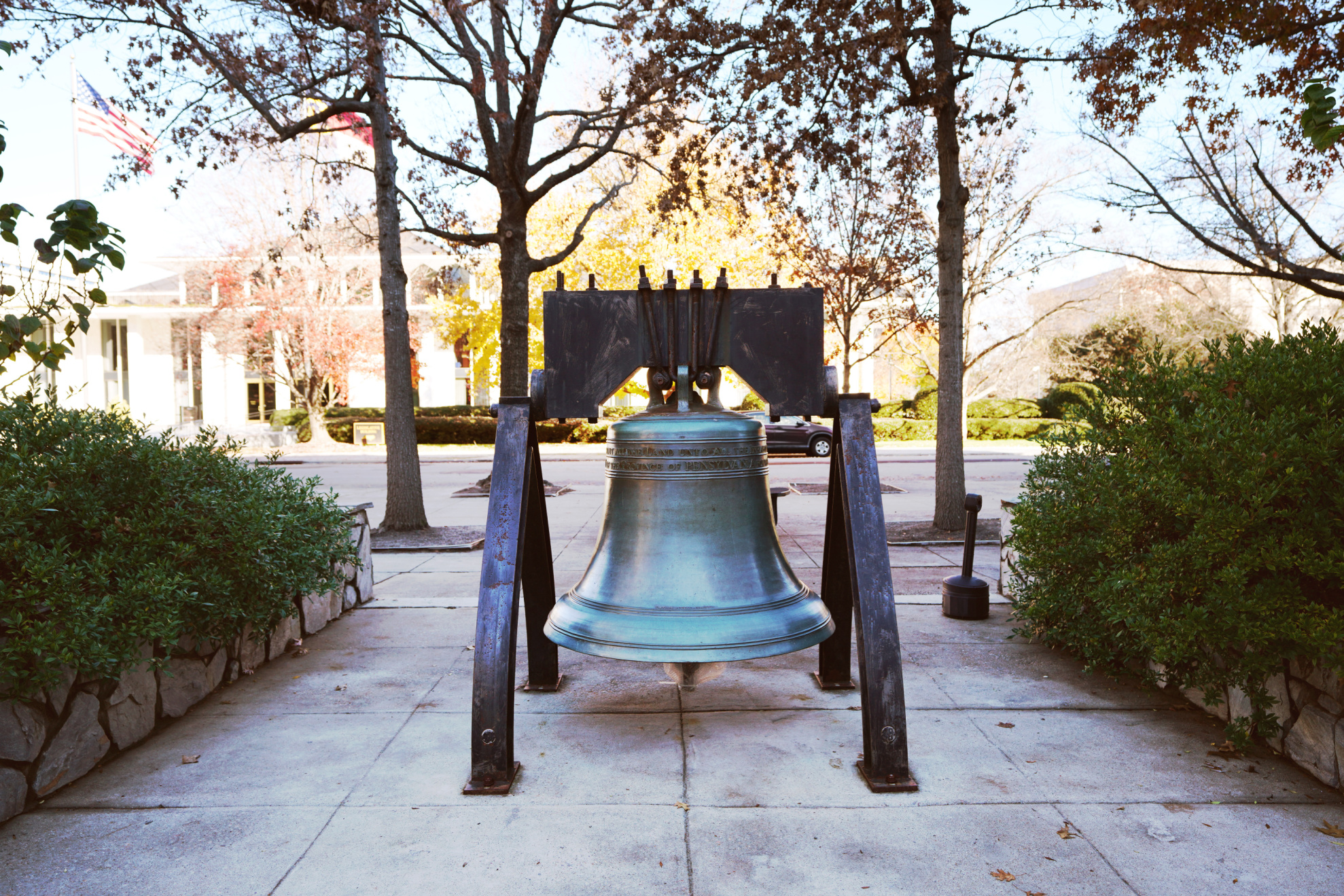
🇺🇸 Why the Liberty Bell Doesn’t Actually Ring Anymore
Did You Know?

A Rock Star’s Road to Redemption
Entertainment

New York Community Replaces Defaced Declaration Replica
America

How Four Seconds Can Help Calm the Mind
Friday Fuel

Heather Jenkins and The Power of Intentional Rest
Health & Wellness

Kentucky Bridge Project Gets $24M Boost
American Infra
Arizona Extends Farm Water Fee Relief
In The States

Macaroni, Dive Bars and Sundaes: July 7 Gets Weird
Offbeat Observances

Michigan Storm Recovery Gets Bipartisan Federal Boost
In The States

Canada Says Goodbye To Country Gentleman Tommy Hunter
Entertainment
BE THE FIRST TO KNOW
Want to stay in the loop? Be the first to know! Sign up for our newsletter and get the latest stories, updates, and insider news delivered straight to your inbox.

More Content By
Think American News Staff🇺🇸 Why the Liberty Bell Doesn’t Actually Ring Anymore
Did You Know?
A Rock Star’s Road to Redemption
Entertainment
New York Community Replaces Defaced Declaration Replica
America
Kentucky Bridge Project Gets $24M Boost
American Infra
Arizona Extends Farm Water Fee Relief
In The States
Michigan Storm Recovery Gets Bipartisan Federal Boost
In The States
Canada Says Goodbye To Country Gentleman Tommy Hunter
Entertainment

PA Lawmakers Focus on Energy
Energy

John Adams Saw America’s Future Before Anyone Else
America

The Revolutionary Ideas Behind July 4
Did You Know?
View All Content By Think American News Staff