Mar 27
America
Patriotism or Censorship? Florida Bill Would Restrict Flag Displays on Government Property
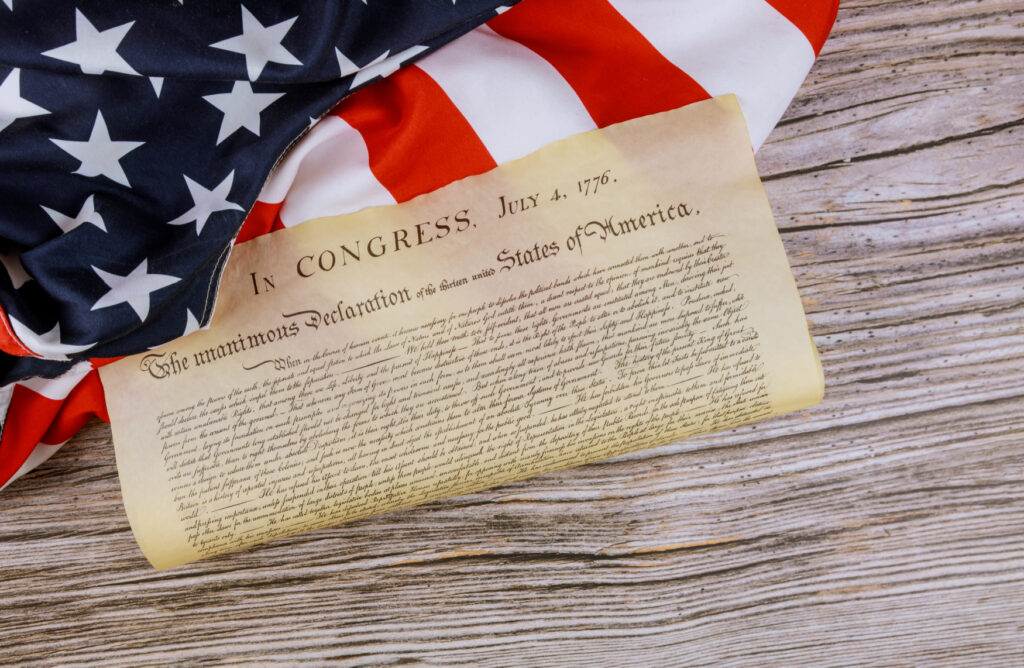
Adobe Stock/DebraAnderson/stock.adobe.com

A bill aimed at limiting which flags can be flown by government entities in Florida is advancing through the state Senate after a 5-3 vote in the Community Affairs Committee on Tuesday.
Senate Bill 100, introduced by Sen. Randy Fine and co-sponsored by Sen. Jonathan Martin, seeks to prohibit public institutions — including schools, colleges, and local governments — from displaying flags that represent “a political viewpoint,” including those related to race, sexual orientation, gender identity, or political ideologies. The measure also reinforces the prominence and protection of the United States flag.
Under SB 100, the term “governmental entity” is broadly defined to include all public agencies, local governments, and public educational institutions in Florida. These entities would be required to remain neutral in flag displays and may only fly flags that are authorized by state or federal law.
“A governmental entity may not erect or display a flag that represents a political viewpoint,” the bill reads, emphasizing neutrality in public representation.
The legislation does not restrict private individuals’ First Amendment rights, nor does it prevent entities from displaying officially authorized flags. It also contains a provision that mandates the U.S. flag be flown in a superior position to any other flag when displayed by a government entity.
Notably, the bill includes a controversial clause allowing current or retired members of the U.S. Armed Forces or National Guard to use “reasonable force” to prevent the desecration, removal, or destruction of the American flag. They may also restore the flag to a prominent position unless explicitly ordered not to do so by law enforcement.
Critics argue the measure is overly broad and could open the door to censorship and confrontations over interpretation of what constitutes a “political” flag. Supporters counter that the bill protects government neutrality and prevents taxpayer-funded institutions from promoting political agendas.
The bill previously passed the Governmental Oversight and Accountability Committee in February on a 5-2 vote and now heads to the Senate Rules Committee before reaching the floor for a full vote.
If enacted, SB 100 would take effect on July 1, 2025.
RECENT
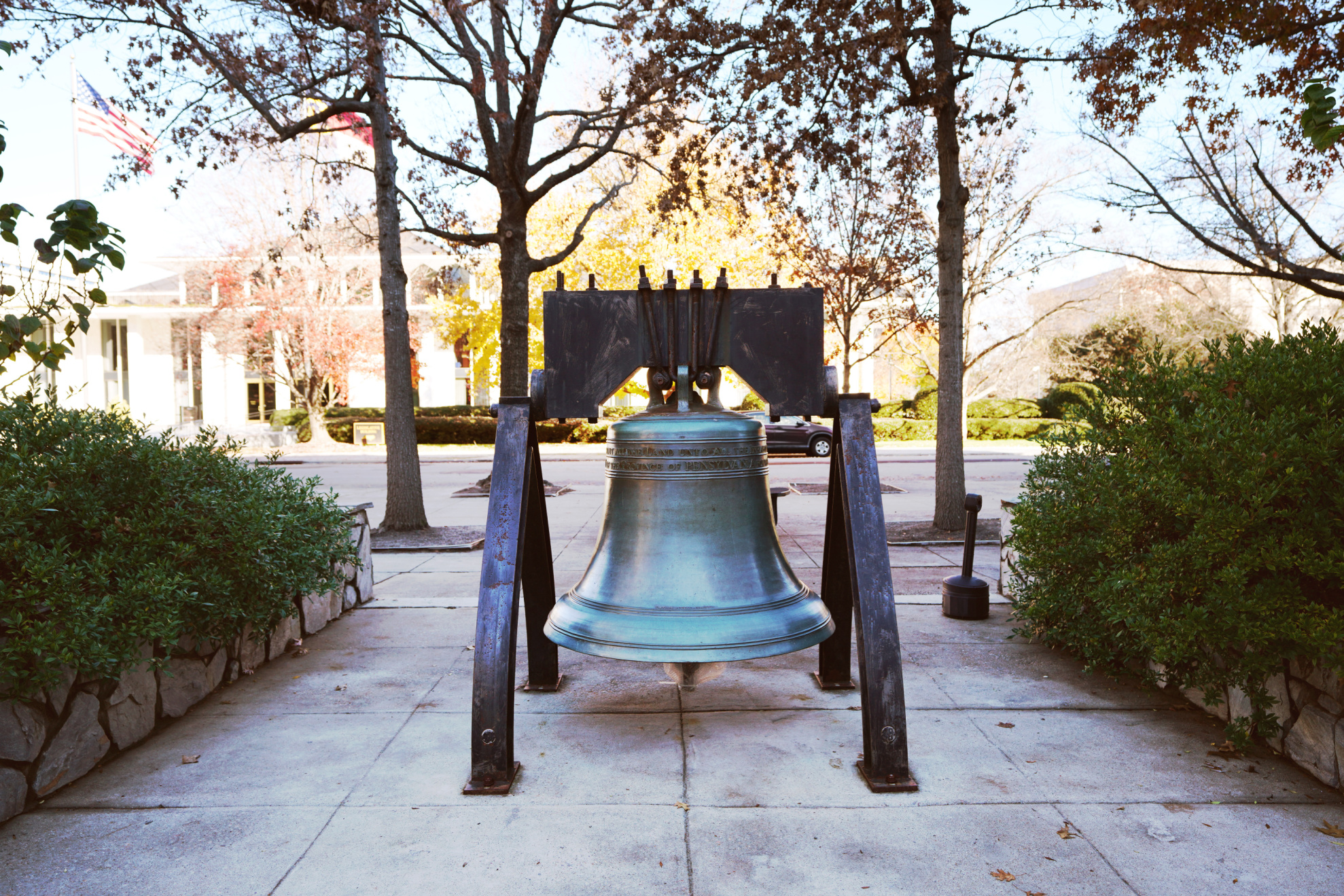
🇺🇸 Why the Liberty Bell Doesn’t Actually Ring Anymore
Did You Know?

A Rock Star’s Road to Redemption
Entertainment
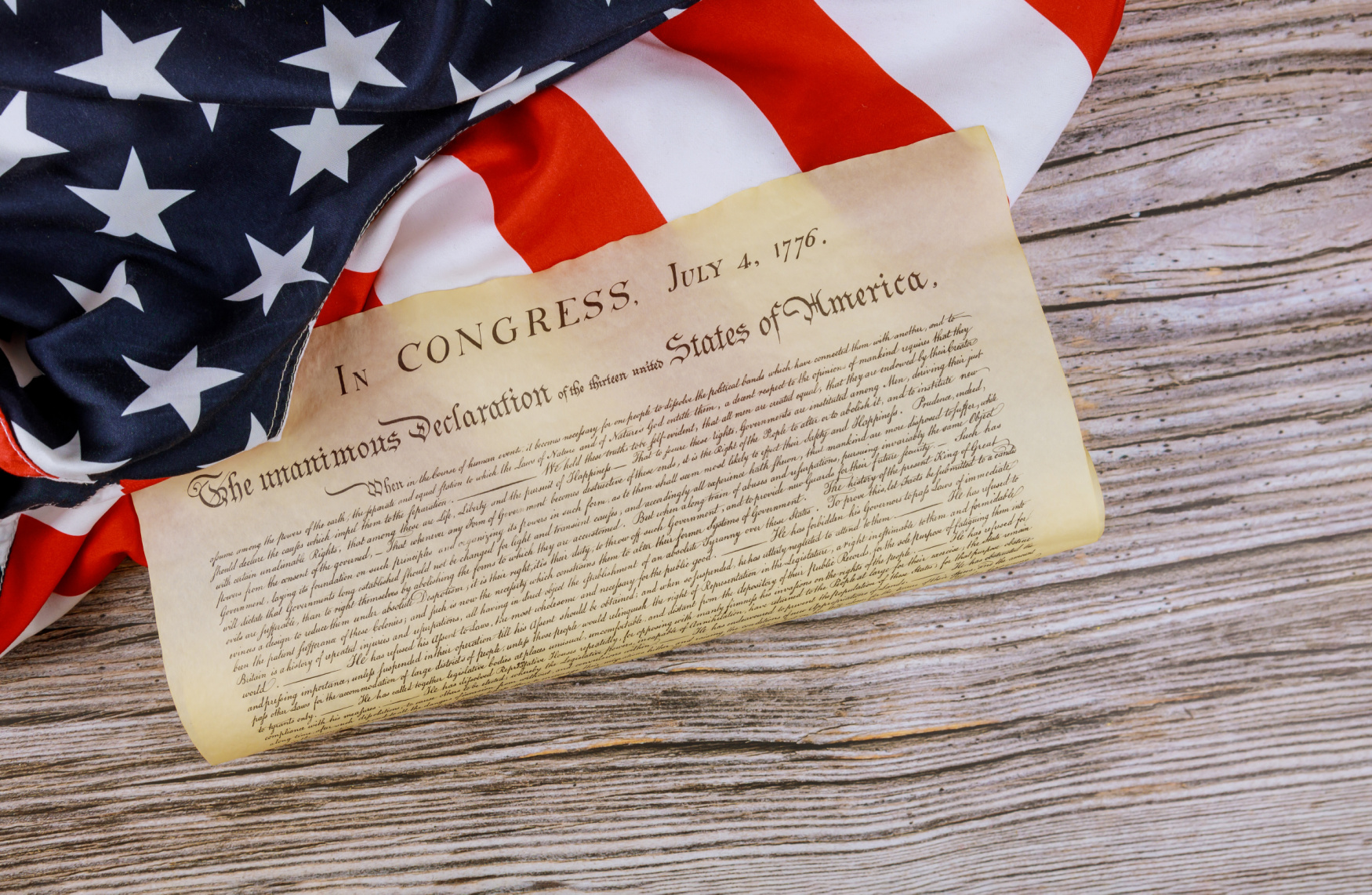
New York Community Replaces Defaced Declaration Replica
America

How Four Seconds Can Help Calm the Mind
Friday Fuel

Heather Jenkins and The Power of Intentional Rest
Health & Wellness

Kentucky Bridge Project Gets $24M Boost
American Infra

Arizona Extends Farm Water Fee Relief
In The States

Macaroni, Dive Bars and Sundaes: July 7 Gets Weird
Offbeat Observances

Michigan Storm Recovery Gets Bipartisan Federal Boost
In The States

Canada Says Goodbye To Country Gentleman Tommy Hunter
Entertainment
BE THE FIRST TO KNOW
Want to stay in the loop? Be the first to know! Sign up for our newsletter and get the latest stories, updates, and insider news delivered straight to your inbox.

More Content By
Think American News Staff🇺🇸 Why the Liberty Bell Doesn’t Actually Ring Anymore
Did You Know?
A Rock Star’s Road to Redemption
Entertainment
New York Community Replaces Defaced Declaration Replica
America
Kentucky Bridge Project Gets $24M Boost
American Infra
Arizona Extends Farm Water Fee Relief
In The States
Michigan Storm Recovery Gets Bipartisan Federal Boost
In The States
Canada Says Goodbye To Country Gentleman Tommy Hunter
Entertainment
PA Lawmakers Focus on Energy
Energy

John Adams Saw America’s Future Before Anyone Else
America
The Revolutionary Ideas Behind July 4
Did You Know?
View All Content By Think American News Staff