
Adobe Stock/RomanWhale studio/stock.adobe.com
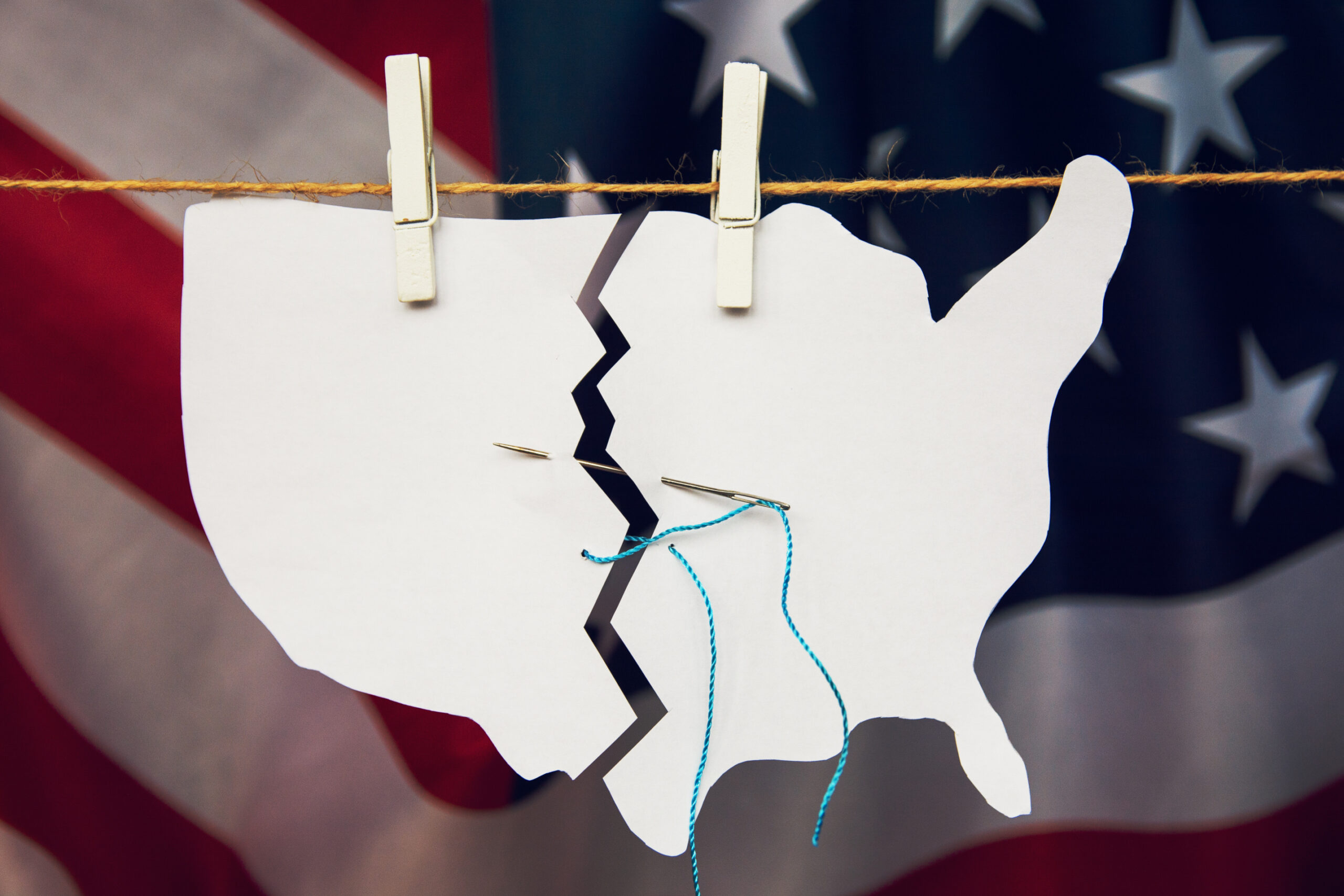
This weekend, tragedy struck in Minnesota. Former Speaker of the House Melissa Hortman and her husband were murdered in their home. State Senator John Hoffman and his wife were also shot, critically wounded in what can only be described as a targeted political ambush.
This wasn’t a random act of violence. It was a calculated, cold-blooded attack on elected officials and their families—people who devoted their lives to public service, regardless of your or my politics. And as someone who’s spent two decades in and around political life—first in journalism, then working with legislators in nearly every state—this hit hard.
I never worked directly with Rep. Hortman or Sen. Hoffman, but I’ve sat at countless tables with people like them. People who could argue policy fiercely, then swap stories about their kids over dinner. People who ran for office not because it was easy or glamorous—but because they believed they could make a difference.
Violence has no place in our politics. And yet, here we are. Again.
We’ve grown numb, haven’t we? The headlines roll in—school shootings, riots, threats, another person doxxed online or harassed at home for daring to have an opinion. In a nation founded on the bold idea that we can disagree and still form a more perfect union, we’ve started treating political differences like personal betrayals.
I launched Living Civics earlier this year as a small attempt to push back on that. Every Monday, we focus on a single, practical behavior that reflects the kind of community-minded, respectful culture America was built on—things like listening without interrupting, respecting someone’s time, or learning to praise publicly and criticize privately.
It may sound quaint. But these little things aren’t little. They’re foundational. Because a nation where we don’t see each other as neighbors—even when we disagree—isn’t a healthy democracy. It’s a house divided.
What happened in Minnesota wasn’t just an attack on two households—it was an attack on our civic fabric.
Let me be clear: this was evil. And justice must come swiftly and completely. But if we’re honest, we all have a role in creating the environment that made it possible. We let politics become entertainment. We cheer when “our side” owns the other on social media. We vote more based on vibes than vision. And increasingly, we treat compromise as weakness, not wisdom.
I’ve worked alongside thousands of state legislators through the years. They’re often unsung heroes. They miss dinners and school plays. They get screamed at in grocery stores and gas stations. But they show up, day after day, trying to do what they believe is right. They are Republicans, Democrats, and Independents—and the best of them lead with decency first.
If we want more leaders like that, we have to stop treating politics like bloodsport. We have to stop pretending that the person on the other side of the aisle is our enemy. That’s not civics. That’s chaos.
You don’t have to like someone’s voting record to mourn their murder. And you shouldn’t have to agree with their platform to condemn political violence unequivocally. There should be no gray area here.
But this weekend, as I followed the coverage, I found myself wondering how many Americans even knew it had happened. How many saw a passing headline, shrugged, and scrolled on? Or worse, saw it as “inevitable” in this polarized era?
That’s not the country I believe in.
I believe in a country where we can fight hard for our values without destroying each other in the process. Where lawmakers can go home at night without looking over their shoulders. Where we teach our kids that disagreement doesn’t make someone evil—it makes them American.
There’s a phrase I come back to often: praise publicly, criticize privately. That’s the kind of behavior that builds trust. That’s how we hold people accountable without humiliating them. That’s how we disagree without dehumanizing. And it’s the kind of behavior we need more of—in state legislatures, in living rooms, and online.
What happened in Minnesota should shake us. It should stir us to action. Not just policy action, though that matters. But personal action. How we speak. How we treat each other. What we tolerate in our public discourse.
It starts with us. The people reading this. The voters. The citizens. The neighbors.
We can’t bring back the lives lost. But we can honor them by building a culture where something like this becomes not just tragic—but unthinkable.
And we can start by remembering that civics isn’t just a class we once took in school. It’s a way of life.
RECENT

Your 40s Aren’t Just About Hormones — They’re About Your Heart
Uncategorized

Wellness Benefits of Pumpkin Season
Health & Wellness

Fall Into Wellness: Creating a Healthier Autumn Routine
Health & Wellness

How to Prepare for Holiday Stress Before It Takes Over
Fitness
🇺🇸 Why the Liberty Bell Doesn’t Actually Ring Anymore
Did You Know?

A Rock Star’s Road to Redemption
Entertainment
New York Community Replaces Defaced Declaration Replica
America
How Four Seconds Can Help Calm the Mind
Friday Fuel

Heather Jenkins and The Power of Intentional Rest
Health & Wellness

Kentucky Bridge Project Gets $24M Boost
American Infra
BE THE FIRST TO KNOW
Want to stay in the loop? Be the first to know! Sign up for our newsletter and get the latest stories, updates, and insider news delivered straight to your inbox.

More Content By
Jessica Curtis
When Life Steals Your Song
Kindness

Fast Lane, Short Fuse
Living Civics

Honey, I Shrunk the Frogs
Animals

A Small-Town Rescue With Four Paws and a Lesson
Mans Best Friend

When Little Ears Learn Big Words
Living Civics

The Endless Loyalty and Love of a Dog
Mans Best Friend

When the Calendar Changes, Character Counts
Opinion

Appreciating the Little Moments That Make Life Beautiful
Living Civics
Remember This: The Day America’s Original 13 Became One
Opinion

Memorial Day Is Not Just a Long Weekend
America
View All Content By Jessica Curtis