
May 29
America
The Memorial Day Crisis: It’s Not Just Schools, It’s Parents Who Are Failing Our Kids
Adobe Stock/Brian/stock.adobe.com
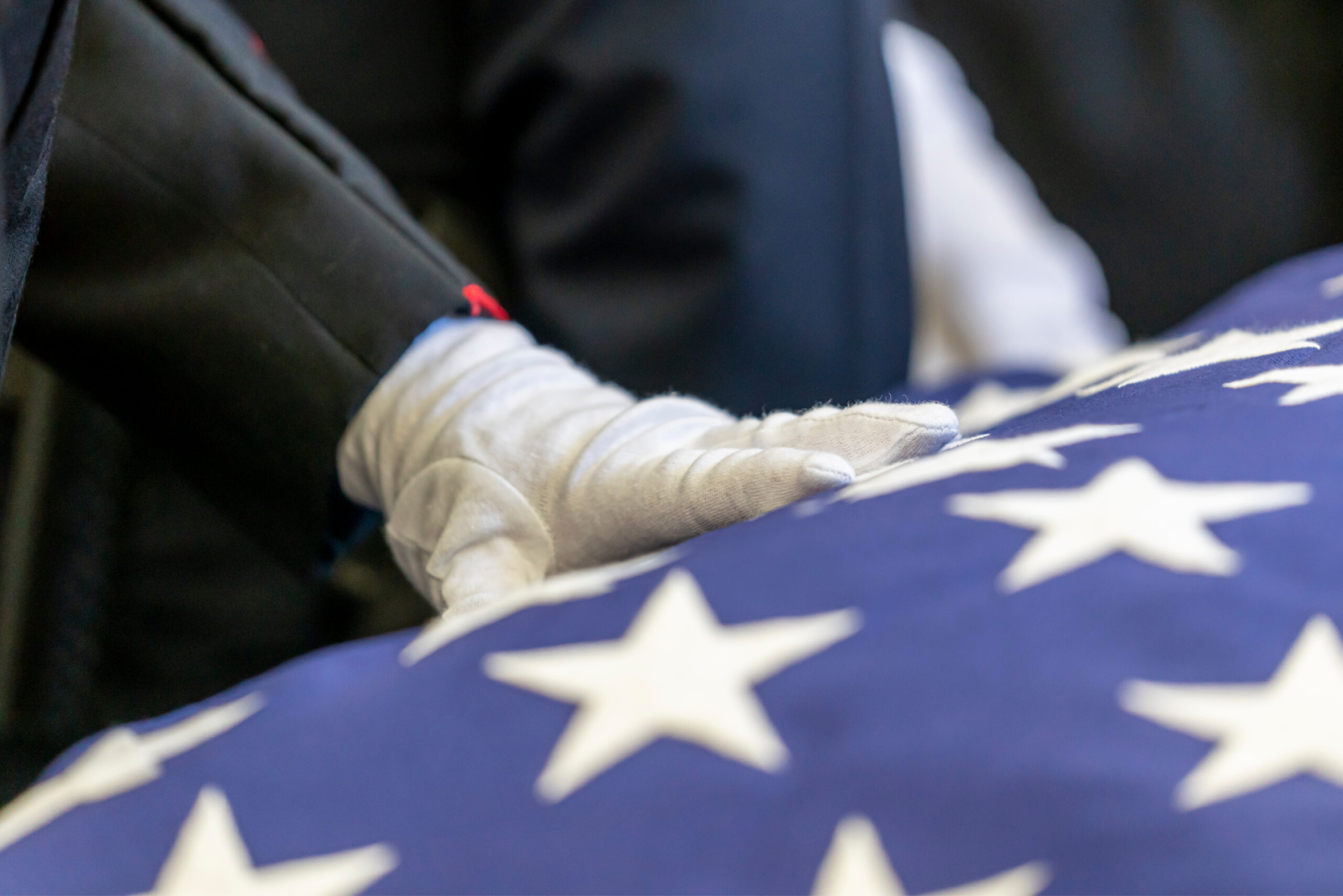
Memorial Day has long been a solemn occasion—one to remember the sacrifices made by brave military personnel who gave their lives to protect the freedoms we hold dear. Yet, in a troubling revelation from a recent survey by StudyFinds, only 27% of Gen Z can accurately identify Memorial Day’s true purpose. Even Millennials, who should know better, fall short, with only 38% getting it right. This is not just a problem for the schools—it’s a problem for parents, and more importantly, it’s a problem for the future of our nation.
We must face a hard truth: we have failed to pass down the proper reverence for Memorial Day. The results of the survey, which showed that 35% of Americans mistakenly think Memorial Day honors all military veterans, living and deceased, are a reflection of a deeper issue that lies in our culture. Sure, schools could do more to teach the significance of the day, but the real responsibility rests with us as parents. This ignorance isn’t just a failure of the education system—it’s a failure at home, where the foundational lessons about history, sacrifice, and respect should be taught.
Memorial Day is a day for solemn remembrance, not a holiday for cookouts and shopping. For those of us who grew up with the holiday as a reminder of the fallen heroes who served our country, the notion that so many people have forgotten its true purpose is nothing short of heartbreaking. For many in Gen Z, Memorial Day is simply the long weekend that marks the unofficial start of summer, with its barbecues, sales, and sports events taking center stage. While these celebrations are not inherently wrong, they should not overshadow the true meaning of the day.
When the holiday was first established, it was called “Decoration Day” and was intended as a time to honor the soldiers who died in the Civil War. This was a solemn day, where Americans would decorate the graves of fallen soldiers with flowers, a way to ensure that their sacrifices were remembered. Over time, as the nation faced new wars and conflicts, Memorial Day expanded to honor all American military personnel who died in service to their country. It wasn’t until 1971 that Congress declared Memorial Day a national holiday, setting it on the last Monday in May.
So, why do so many young Americans—those who are supposed to inherit this legacy—lack the basic knowledge of the holiday? The answer is twofold. First, schools have a significant role to play in educating children about the history of Memorial Day, but they cannot do it alone. Second, and perhaps more importantly, parents are failing to teach their children the deeper meaning behind the holiday. It’s not enough to assume that schools will handle it. Parents are the primary educators in their children’s lives, and they must take an active role in ensuring that their children understand the sacrifices that have been made for their freedom.
The generational divide in the survey results is stark. While 56% of Baby Boomers could correctly identify Memorial Day’s purpose, only 27% of Gen Z could. That’s a shocking difference, and it highlights the broader issue of historical amnesia that has seeped into our culture. The reality is that as Memorial Day has become more about relaxation and sales, fewer families are taking the time to teach their children about its true meaning. But who is responsible for this gap in knowledge? While we can point to schools and their role in educating kids, it’s crucial to understand that the responsibility begins at home.
Parents are the first teachers. They are the ones who set the example, the ones who determine how their children will view history, sacrifice, and the nation’s heroes. If parents do not take the time to explain the true significance of Memorial Day, to remind their children why this day is important, and to show them how to honor the fallen, then the educational system can only do so much. Parents need to engage in these conversations with their children, share the stories of sacrifice, and teach them about the real meaning of the holiday.
We all know that it’s easier to focus on the fun aspects of Memorial Day—grilling burgers, enjoying time with friends, or going on a weekend getaway. But is that the example we want to set for our children? Memorial Day is a day for remembrance, a day to honor those who made the ultimate sacrifice. It’s time we shift the narrative from this being just another holiday to being a day of reflection and gratitude for the fallen.
It’s important to recognize that Memorial Day is not just another day off work. In fact, many people, particularly in military families, view Memorial Day as one of the most significant days of the year. For them, the loss of a loved one in service to the country is never just a historical event—it’s personal. It’s a reminder of the sacrifices that their families have made, and it’s an opportunity to honor the fallen heroes who are part of their personal history. Yet, for too many, this level of respect and understanding seems to have been lost over the years. When 35% of the population confuses Memorial Day with Veterans Day, something is wrong. And it’s not just the education system—it’s us, as parents, failing to make Memorial Day meaningful again.
It’s heartbreaking to think that Memorial Day, a day meant for remembrance and respect, has been reduced to an extended weekend of sales and leisure. The problem is not just that schools are failing to teach the meaning of Memorial Day, but that we, as parents, are not prioritizing it. We have allowed our focus to shift from honoring our heroes to chasing the next bargain or weekend getaway. It’s a shift that we must reverse.
To truly honor the fallen, we need to make a commitment to teach our children the meaning of Memorial Day. It’s not enough to simply say, “We’re going to a parade” or “We’re taking the day off.” We need to teach them why we do these things. We need to make Memorial Day a time of reflection, of remembrance, and of gratitude. And this starts with parents.
I challenge every parent to take a moment this Memorial Day to talk to your children about the sacrifices made by our military personnel. Share with them the stories of the men and women who have given their lives for our country. Help them understand that this day is about more than just a day off or a long weekend—it’s about honoring those who made the ultimate sacrifice. If we can make that shift, then perhaps we can change the course of history for future generations.
Memorial Day should be a day of reflection, a time to remember the brave soldiers who laid down their lives for the freedoms we often take for granted. But if we continue to let this day pass without teaching our children its true meaning, we risk losing touch with our history and the sacrifices that have shaped our country. It’s time for parents to take responsibility, step up, and teach the next generation the value of Memorial Day.
We cannot afford to let this day slip away. We owe it to the fallen, to the military families who sacrifice every day, and to our children. Memorial Day is more than just a day off work—it is a day to remember the fallen heroes who have given everything for the freedom we enjoy. Let’s make it meaningful again.
RECENT
Eisenhower and the Power of Preparation
History

New Bill Boosts Dual Credit for Future Kentucky Teachers
Education

Michigan Lottery Hits $1B for Schools Again
Education

The Meaning Hidden in January’s Name
Did You Know?

When Dogs Act Like Dogs, Everyone Wins
Mans Best Friend

Why This January Weekend Is Bringing Americans Together
Childhood
Who Will You Be in 2026? It’s Decided by These Two Habits
Friday Fuel
Rasel Proposes Mandatory Ideology Course
Communism

Bill Aims to Keep Data Center Costs Off Utility Bills
In The States

Kentucky Mom Backs Phone-Down Bill
In The States
BE THE FIRST TO KNOW
Want to stay in the loop? Be the first to know! Sign up for our newsletter and get the latest stories, updates, and insider news delivered straight to your inbox.

More Content By
Jessica Curtis
Remember This: Escalation Has Consequences
Opinion

When We Stop Laughing, We Lose More Than the Joke
Common Sense Corner

Why One Small Act of Kindness Still Matters
Living Civics

A Drone, a Puppy, and the Best of Community
Living Civics

A Christmas Eve Lesson in Living Civics
Living Civics

Why Christmas Still Unites Us
Holidays

When Not Posting Is the Better Choice
Living Civics

Why Civic Integrity Matters More Than Slogans
Living Civics

Small Actions, Stronger Communities
Living Civics

When Being Right Isn’t Worth the Cost
Kindness
View All Content By Jessica Curtis