Adobe Stock/scharfsinn86
Bless Your Headlines: When Silicon Valley Delivers… Literally
There are days when the news reads like a parody of itself, and then there are days when it looks you straight in the eye and says, “No really, this happened,” before quietly backing out of the room.
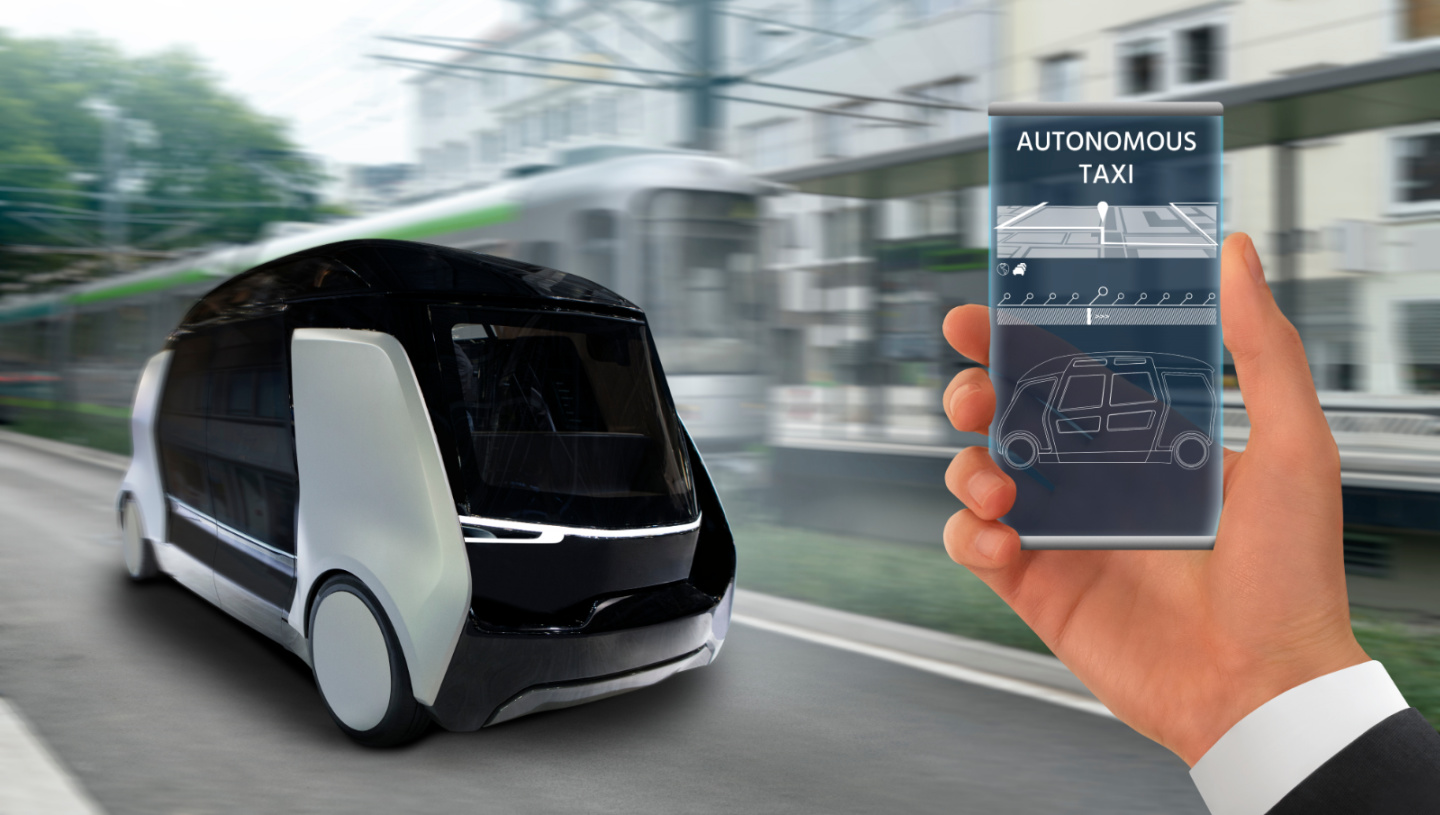
This week’s entry into the Are We Sure This Is Real Life? category comes courtesy of San Francisco, where a woman gave birth… inside a Waymo self-driving taxi.
Yes. A robot car. No driver. No reassuring small talk. No “Hang tight, we’ll be there in five.” Just a fully autonomous vehicle, cruising through the city, delivering a human being into the world while Google’s parent company looked on proudly.
Bless. This. Headline.
For a company whose self-driving cars have recently made news for crushing a beloved neighborhood cat and pulling illegal U-turns in front of police officers powerless to issue a ticket, this was apparently a rebrand moment. Waymo went from “menace to society” to “unexpected midwife” in a single press cycle.
According to the Associated Press, the woman was on her way to UCSF Medical Center when she went into full-on labor inside the robotaxi. The car’s internal systems detected “unusual activity,” called the rider to check in, alerted 911, and delivered both mother and baby safely to the hospital before emergency services even arrived.
Somewhere, a Silicon Valley executive is absolutely framing this story.
From Ride-Share to Life Event
Waymo’s statement was earnest, polished, and just a little unsettling. The company said it was “proud to be a trusted ride for moments big and small, serving riders from just seconds old to many years young.”
Seconds old.
That sentence alone should have triggered a long pause, a deep breath, and perhaps a follow-up meeting with legal.
Because while this story is undeniably remarkable—and yes, everyone is safe, which matters most—it also raises the kind of questions that used to be reserved for dystopian novels, not press releases.
At what point did “getting from Point A to Point B” quietly become “participating in one of the most intimate, vulnerable moments of a person’s life”?
And perhaps more importantly: how exactly did the car know?
Waymo declined to elaborate, though it has previously acknowledged that its vehicles are equipped with cameras and microphones inside and out. Which means somewhere in a server farm, an algorithm flagged childbirth as “unusual activity.”
That’s not science fiction. That’s Tuesday.
The Upside of a Driverless Delivery Room
To be fair, there is a version of this story that feels undeniably modern in a hopeful way. The technology worked. The system responded. The ride-support team acted quickly. Emergency services were notified. Everyone arrived safely.
In a city where traffic, congestion, and delays can turn a ten-minute ride into an hour-long ordeal, a smooth, uninterrupted drive to the hospital probably mattered more than whether a human was behind the wheel.
And for anyone who has ever panicked in the backseat of a cab while the driver took the scenic route—or asked “Are you sure this is the fastest way?” through clenched teeth—there’s something oddly comforting about a car that simply follows the plan.
No distractions. No opinions. No wrong turns because someone missed an exit while adjusting the radio.
Just… delivery.
The Part That Makes Us Squint
Still, it’s hard not to notice how quickly this story is being framed as a triumph of technology rather than a reminder of how much we’ve outsourced—quietly, casually, and without much public debate.
This isn’t just about a baby born in a car. Babies have been born in cars for as long as there have been cars. This is about a birth that happened inside a fully monitored, sensor-laden, corporate-owned machine that detected labor, initiated emergency protocols, and logged the event somewhere.
And while Waymo assures us the vehicle was taken out of service for cleaning—thank you for that—there’s something deeply strange about the idea that your first moments on earth could be categorized as a “ride anomaly.”
It’s also worth noting that this wasn’t the first baby delivered in a Waymo, according to the company. Which suggests this may soon be less headline-worthy and more… policy-adjacent.
Will there be a checkbox soon?
“Traveling with infant.”
“Traveling while about to deliver infant.”
Surge pricing, but make it obstetrics.
Progress, With a Side of Perspective
Technology can be impressive and unsettling at the same time. Two things can be true. The systems worked as designed, and the moment was handled safely. That deserves acknowledgment.
But it’s also okay—healthy, even—to pause and ask whether every human experience needs to be optimized, monitored, and branded as a win for innovation.
Childbirth is messy, unpredictable, emotional, and deeply human. It’s not a feature rollout.
So congratulations to the mother and baby, who made quite the entrance into the world. You will forever have one of the most uniquely 21st-century birth stories imaginable.
And congratulations to Waymo, too, I suppose. You’ve officially moved beyond ride-sharing and into life-event logistics.
Just don’t be surprised if some of us still prefer a human driver when the stakes feel this personal.
RECENT

“Good Ol’ USA” Hits a High Note
Entertainment

Kentucky Senate Marks Lorie Anne Parker’s Passing
In The States

The Ship That Changed History
History

What to Watch as Election Buzz Builds
Elections

Wisconsin Eagle Scout Honored
Community

New Alabama Laws Boost Veterans, Guard Benefits
In Service

Soul Condition Strikes a Chord
Entertainment

A “Bear-y” Unexpected Traffic Stop in New York
Animals

Opportunity Is Evolving
Did You Know?

Before You Buy a Dog, Read This First
Mans Best Friend
BE THE FIRST TO KNOW
Want to stay in the loop? Be the first to know! Sign up for our newsletter and get the latest stories, updates, and insider news delivered straight to your inbox.

More Content By
Georgia Dale
Florida Man Turns Taillight Stop Into 40 Charges
Bless Your Headlines

When Bipartisanship Finally Happens… It’s Over Pork Chops
Bless Your Headlines
Fake Nurse, Real Problem
Bless Your Headlines

The Surprisingly Helpful Holidays of April 14
Holidays

The Alligator Was Not the Problem (Actually, It Was)
Bless Your Headlines

HOA Money, Spa Day Edition
Bless Your Headlines
Kangaroo Chaos, Wisconsin Edition
Bless Your Headlines
The Most Honest Holiday Lineup
Uncategorized
Stroller Standoff Goes Viral
Bless Your Headlines

The Mayo Experiment
Bless Your Headlines
View All Content By Georgia Dale