
Aug 28
Opinion
OPINION: When Faith and Funds Collide — The Cost of Betrayed Trust
Adobe Stock/doidam10/stock.adobe.com

It’s disheartening, though sadly not surprising, to read yet another headline about a trusted leader accused of siphoning charitable funds for personal gain. This time, it’s a New Jersey church. According to a lawsuit, a longtime bookkeeper at the Church of Saint Leo the Great in Lincroft allegedly misappropriated more than $1.5 million over the course of six years, treating the parish’s operating account as his own “personal piggy bank.”
The details are familiar, and sickening: credit card charges for luxury vehicles, sports tickets, home construction projects, cigars, even expenses tied to a family wedding. Funds donated by parishioners and entrusted to serve the mission of the church instead diverted to bankroll one man’s lifestyle.
Sadly, we’ve been here before. Not long ago, I wrote about the Foodbank of Southern California, where leaders allegedly misused more than $11 million in public funds. Before that, my graduate research examined the Arc of Hawaii scandal, where an accountant embezzled nearly $6 million meant to support individuals with intellectual and developmental disabilities. Different organizations, different missions—but the same pattern of betrayal.
The pattern matters because each case chips away at something far bigger than a balance sheet. It erodes public trust. And in the nonprofit world—whether a food bank, a service organization, or a parish church—trust is everything. Without it, even the most noble missions collapse under the weight of suspicion and cynicism.
Americans are generous people. We give because we believe in causes larger than ourselves—feeding the hungry, housing the vulnerable, supporting our places of worship. But that generosity depends on confidence that the dollars are being stewarded wisely. When those entrusted with that stewardship abuse it, it’s not just unethical—it’s a moral failure. It mocks the very values these institutions claim to uphold.
What makes cases like this especially frustrating is that they are preventable. Where was the board of directors? Where were the internal controls? Why did it take years, and more than a million dollars, for anyone to uncover the problem? Too often, nonprofits rely on audits that come long after the damage is done instead of building proactive systems of accountability from the start.
In my research, I argued that we need something more—systemic oversight that protects both donors and the missions they support. Models exist, like Regina Herzlinger’s “DADS” framework—disclosure, analysis, dissemination, and sanctions. What’s lacking is the will to enforce them across a sector that is too often treated as untouchable because its intentions are good.
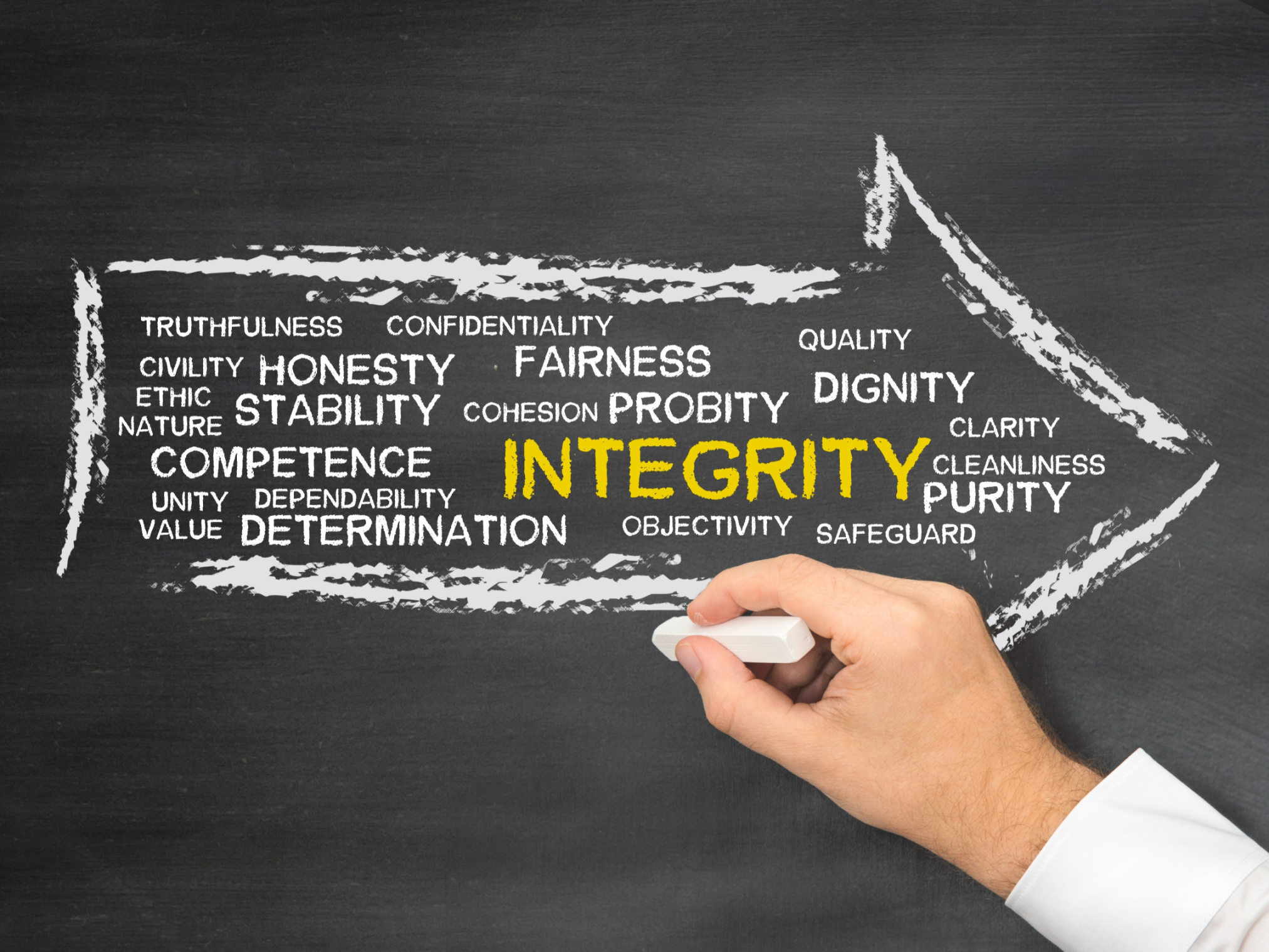
But good intentions are not enough. Missions matter, but so does integrity. And when that integrity is compromised, the fallout is profound—not only in financial terms, but in the erosion of faith, trust, and community.
This New Jersey lawsuit should be more than just another headline in a long string of nonprofit scandals. It should be a wake-up call—to every church, every board, every donor. Transparency and accountability cannot be optional. Safeguards must be real, not just theoretical.
Because in the end, money can be recovered. Programs can be rebuilt. But the loss of trust—that’s the debt no institution can afford.
RECENT

When Dogs Act Like Dogs, Everyone Wins
Mans Best Friend

Why This January Weekend Is Bringing Americans Together
Childhood

Who Will You Be in 2026? It’s Decided by These Two Habits
Friday Fuel

Rasel Proposes Mandatory Ideology Course
Communism

Bill Aims to Keep Data Center Costs Off Utility Bills
In The States

Kentucky Mom Backs Phone-Down Bill
In The States

Simple Daily Habits That Support Your Whole Self
Health & Wellness

Braille Literacy Spotlighted in Texas
Disability Advocacy

Lawmakers Call for Audit of Child Care Spending
Fraud

New Arizona Committees Target AI Innovation and Rural Economies
Artificial Intelligence
BE THE FIRST TO KNOW
Want to stay in the loop? Be the first to know! Sign up for our newsletter and get the latest stories, updates, and insider news delivered straight to your inbox.

More Content By
Jessica Curtis
Remember This: Escalation Has Consequences
Opinion

When We Stop Laughing, We Lose More Than the Joke
Common Sense Corner

Why One Small Act of Kindness Still Matters
Living Civics

A Drone, a Puppy, and the Best of Community
Living Civics

A Christmas Eve Lesson in Living Civics
Living Civics

Why Christmas Still Unites Us
Holidays

When Not Posting Is the Better Choice
Living Civics
Why Civic Integrity Matters More Than Slogans
Living Civics

Small Actions, Stronger Communities
Living Civics

When Being Right Isn’t Worth the Cost
Kindness
View All Content By Jessica Curtis