
Feb 23
Living Civics
More Than Gold: The Olympics and a Brief Return to Shared Pride
Adobe Stock/Monkey Business
When the Flag Comes Down, We’re Still One Team
As the Winter Olympics came to a close yesterday, Team USA is heading home with something to celebrate: 12 gold medals and 33 total medals, marking their best Winter Games ever. That’s a remarkable athletic achievement on its own. But the real win might be something less measurable and far more meaningful in our divided moment: for a few weeks, a whole lot of Americans cheered together.
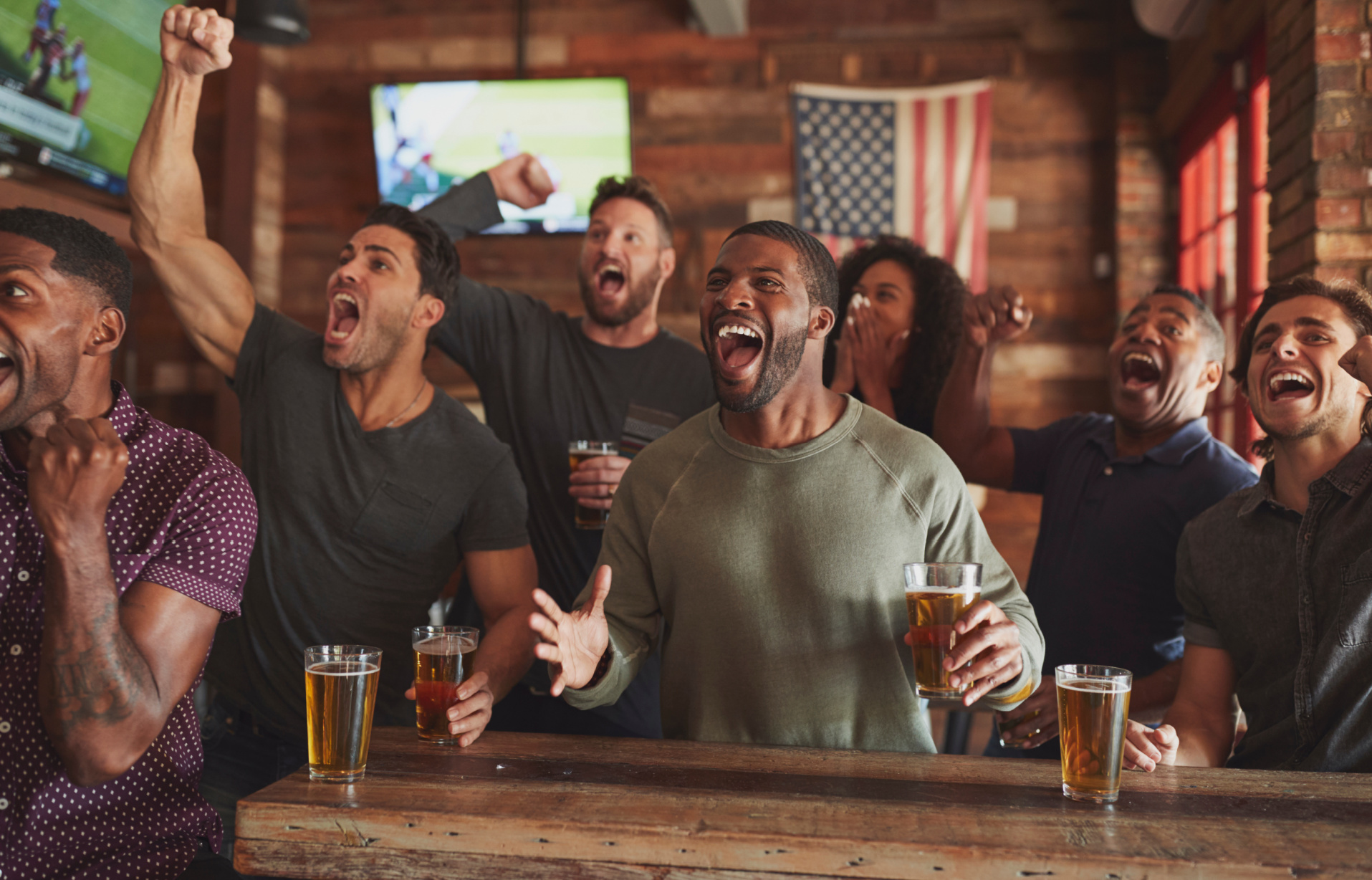
For once, we weren’t arguing over headlines or talking means past one another on social media. We were texting friends about a clutch finish on the slopes, high-fiving strangers at bars over a photo finish, and staying up too late to watch someone we’d never heard of become a national hero overnight. It wasn’t about politics. It was about pride, perseverance, and that quiet thrill of watching your country’s flag rise.
A Rare Pause in the Noise
We live in a time where nearly everything feels filtered through an “us versus them” lens. Even the most mundane topics can spiral into culture war territory. But the Olympics remain one of the last spaces where Americans are allowed to simply be Americans.
You don’t have to agree on policy, party, or worldview to root for a bobsled team flying down an icy track at highway speeds. You don’t have to share the same news sources to feel your heart jump when a skater sticks the landing or a hockey goalie makes an impossible save. For a moment, the constant hum of division gets turned down, and something more human takes its place.
That shared experience matters more than we probably realize.
Cheering Together Builds Civic Muscle
Civics isn’t just about voting, institutions, or laws on the books. It’s also about the habits of heart that allow a society to function. Trust. Goodwill. The ability to see one another as fellow citizens before ideological opponents.
When we cheer together, we practice those habits. We remember what it feels like to want the same thing at the same time. We experience collective joy without needing to agree on anything else. And those small moments of shared pride quietly reinforce the idea that we’re still on the same team, even when we disagree fiercely about how the game should be played.
In a strange way, celebrating athletic excellence becomes a form of civic exercise.
More Than Medals
The 12 gold medals will be recorded in the history books. Athletes will be interviewed, paraded, and rightfully praised for years to come. But what won’t be tallied is the number of conversations softened by a shared moment of Olympic awe, or the number of friendships briefly unburdened by politics because everyone was too busy cheering for the same finish line.
Those moments don’t solve our problems. They don’t magically heal divisions. But they remind us of something essential: disagreement does not erase belonging.
Carry the Feeling Forward
As the closing ceremonies wrap up and the torch is extinguished, the challenge is not to let the unity fade as quickly as the highlight reels. The feeling we had watching those gold medal moments — the pride, the collective exhale, the simple joy of being on the same side — is something we can carry back into everyday life.
Living civics isn’t about pretending our differences don’t exist. It’s about remembering that shared identity can exist alongside disagreement. If we can cheer together for a skier we’ve never met, maybe we can bring a little more patience, curiosity, and goodwill into the conversations that follow when the games are over.
For a few weeks, we remembered how to be one team. That’s worth holding onto.
RECENT

Felzkowski Protects Victims
Finance

Kelly Lang Debuts “HollyWould”
Entertainment

Tennessee Protects Police Privacy
In Service

A Century of Appalachian Music Lives On
Entertainment

America’s Other Midnight Rider
Legends of the American Spirit

Michigan Speaker Pushes Drug Crackdown
In The States

Arizona Tightens Sex Offender Rules
In The States

It’s Never Too Late
Did You Know?

Meet Taylor Mieszkuc: A Rising Voice with “Matches”
Entertainment

Kentucky Acts on School Violence
Education
BE THE FIRST TO KNOW
Want to stay in the loop? Be the first to know! Sign up for our newsletter and get the latest stories, updates, and insider news delivered straight to your inbox.

More Content By
Jessica Curtis
When Did Common Courtesy Become Optional?
Living Civics
Meet Taylor Mieszkuc: A Rising Voice with “Matches”
Entertainment

Four Astronauts, One Perspective: A Lesson for Earth
Kindness

Built to Last
Marriage

Kindness in the Crossroads
Living Civics

The Power of a Simple Hello
Living Civics

A Simple Rule for a Better Society
Living Civics

A Little More Sparkle, A Lot More Grace
Kindness
More Than Gold: The Olympics and a Brief Return to Shared Pride
Living Civics

Why Being Nice Still Matters at the Checkout Line
Living Civics
View All Content By Jessica Curtis