
Adobe Stock/Tinnakorn/stock.adobe.com
America’s Drinking Habits Are Changing
Last August, the Gallup organization released a new survey on alcohol consumption in the United States. The headline should send shivers not only to the beer, wine and spirits manufacturers, but also to the Main Street bars and restaurants and other retailers that undergird the health and well being of cities and towns across the country. The data showed that only 54 percent of U.S. adults said they consumed alcohol. This is the lowest percentage in Gallup’s 90 years of collecting data on American attitudes toward alcohol consumption. And that percentage has fallen 6% in just the last two years. And why? Because more and more young people as well as middle-aged adults are drinking less because of changing perceptions about the negative health effects of alcohol. For the first time, a majority of Americans said they believed that even one to two drinks a day negatively affected a person’s health.
Not Sobriety—Just Substitution
But don’t necessarily assume that the attitudes of younger adults toward drinking mean sobriety. Far from it. While the Gallup poll did not attribute declines in drinking to increasing marijuana use, numerous studies have shown concurrent rises in cannabis use and subsequent decreases in drinking.
The Rise of Cannabis Use Nationwide
The increased prevalence of cannabis use over time among persons aged 12 years and older tracks with the growing number of states and territories introducing new cannabis policies. While all but two states, the District of Columbia and the territories of Puerto Rico, Guam, the US Virgin Islands have legalized cannabis for adult medical use, 24 states have legalized cannabis for nonmedical use. The cannabis market is a nearly $45 billion industry in the United States, and revenues are expected to increase year over year through 2028, with growth in the number of states that have or are considering legalization.
From Smoking to Sipping: The Cannabis Beverage Boom
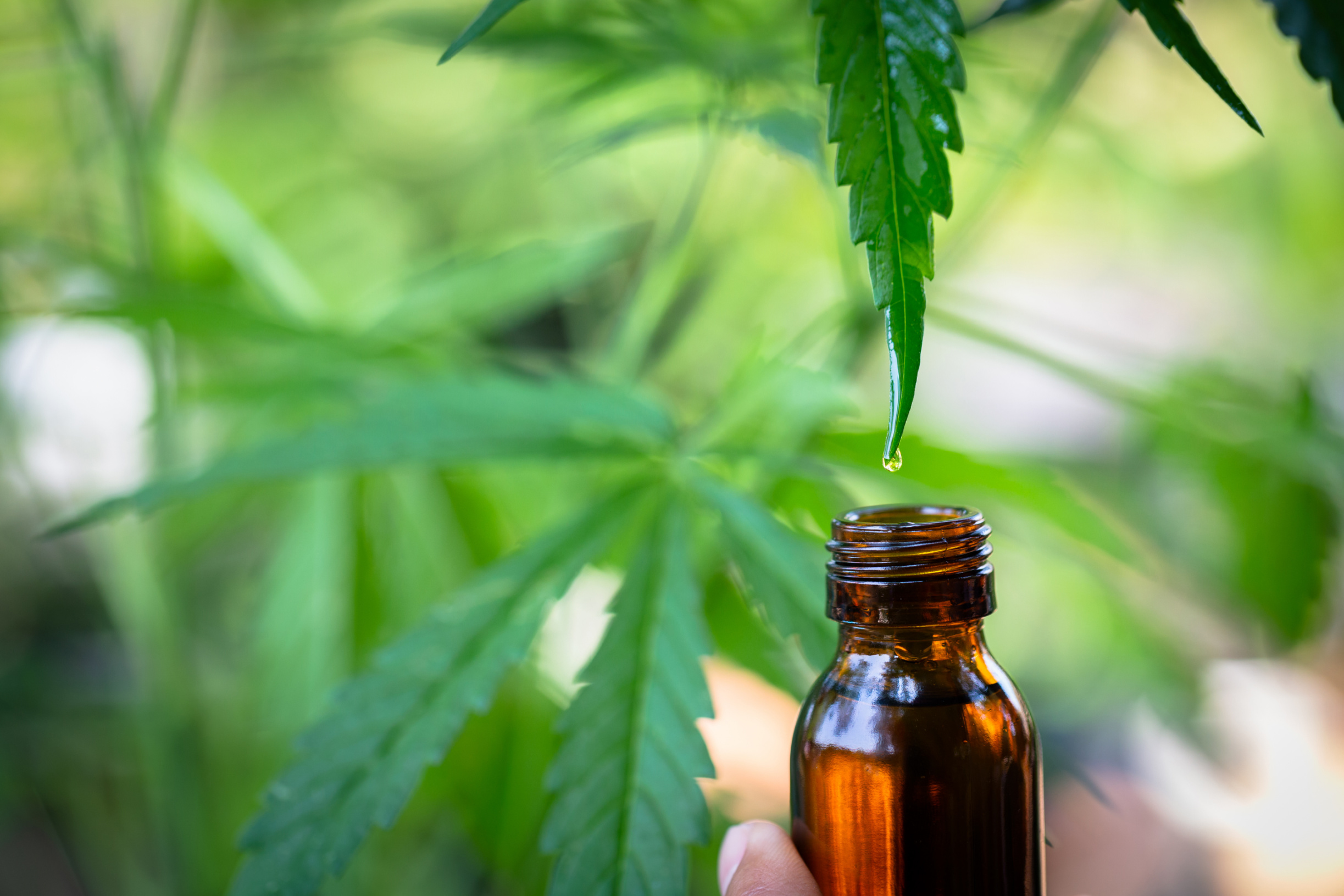
However, increasingly, adults are not ingesting cannabis through smoking but through food and drink. Many people are now reaching for cannabis beverages – nonalcoholic drinks infused with tetrahydrocannabinol, or THC, the main ingredient in marijuana that makes you feel high. Some varieties also include cannabidiol, or CBD, a chemical compound found in marijuana or hemp that proponents say helps relieve pain, anxiety and other health symptoms. The drinks come in different forms including seltzers, juices, sodas and teas. THC beverage sales in the U.S. are expected to grow from $1.1 billion last year to nearly $5.6 billion by 2035. It is estimated that 500 to 750 brands are currently marketing cannabis drinks and of those, roughly 30 are sizable labels with national distribution, while the rest are regional and local brands. And the vast majority of states allow for the sale of hemp beverages, albeit some with significant restrictions.
Innovation Moves Faster Than Regulation
As Americans for a Modern Economy has discussed in other articles, there is almost always a lag time between innovation and regulation. Sometimes it’s significant, sometimes it’s not. Lawmakers in many parts of the country are still dealing with proper regulation of transportation network providers like Uber, Lyft, AirBnB, DoorDash and Waymo to name a few. Has anyone ever heard of A.I.? The challenge for policymakers and regulators is daunting – how do you protect consumers and public health while not stifling innovation, the spawning of new industries and the jobs they create.
States Scramble to Catch Up
The last year in particular saw an especially notable amount of activity around hemp THC beverages as Congress and state legislatures across the country discuss policy options for cannabinoid products with some pushing for an outright ban and others promoting a more rigorous regulatory framework that prioritizes public health and deterring youth access. Just in the last few weeks, Texas Gov. Greg Abbott, citing legislative inaction, issued an executive order directing the Department of State Health Services (DSHS), the Alcoholic Beverage Commission (TABC) and the Department of Public Safety (DPS) to adopt, oversee and enforce regulations to help ensure hemp-derived products don’t end up in the hands of children and to allow those 21 years of age and older to purchase products that meet specific consumer safeguards. In Ohio, also citing legislative inaction, Gov. DeWine recently announced a 90-day executive order that bans the sale of intoxicating hemp products that started on Oct.14. As a result, the Ohio House of Representatives quickly passed legislation that had advanced out of the Senate last February. The bill only allows a licensed marijuana dispensary to sell intoxicating hemp products that have been tested and complied with packaging, labeling and advertising requirements and is awaiting concurrence from that chamber.
Smart Regulation, Not Overreaction
The bottom line is that hemp – based products are here. They’re not going anywhere because consumers want them. But policymakers need to be thoughtful in how they regulate this market. Protecting public health is paramount – especially for children. But the current patchwork of diverse and often contradictory state regulations forces businesses to navigate a complex legal landscape. This regulatory uncertainty can stifle market potential and hamper interstate commerce. Let’s play chess here, not checkers.
Joe Kefauver is a senior advisor to Americans for a Modern Economy, an organization committed to ensuring that local, state, and federal policies reflect changing technologies that are reshaping the way consumers, businesses, and communities operate in the 21st-century economy.
RECENT

The Irish-American Legacy Behind Henry Ford’s Success
Legends of the American Spirit

Two Wins for Wisconsin Women
Health & Wellness
End of an Era: Devin LeMahieu Declines Reelection Bid
In The States

Kelly Lang Teases New Album with Latest Single
Entertainment
Pinch Me! The Story Behind Wearing Green
Did You Know?

Hello Spring, Hello Plans
Dating

Indiana Case Sends Message
In The States

Why Boundaries ARE Love
Mans Best Friend
Disco Legends Set Sail in 2027
Entertainment

Why Your Environment Matters for Your Health and Mindset
Friday Fuel
BE THE FIRST TO KNOW
Want to stay in the loop? Be the first to know! Sign up for our newsletter and get the latest stories, updates, and insider news delivered straight to your inbox.

More Content By
Joe Kefauver
Closing the Gap on Age Verification in a Digital World
Opinion

Spoiler Alert: Illinois Court Throws Cold Water On Swipe Fees
Opinion

Childcare, Work, and the GOP’s Chance to Lead
Childcare
Let’s Not Throw The Baby Out With The Hemp-based Beverages
Opinion
Building National Security One Job At A Time
Energy

Really Want to Protect Our Troops? Ensure Our Energy Security
American Infra

Why Your Local Diner Pays More Than Visa Under U.S. Law
Business

America’s Data Center Dilemma: Innovation at the Expense of Your Electric Bill
Economy

Data Centers: The Silent Energy Guzzlers Driving Up Your Bills – Are Policymakers Ignoring the Costs?
Opinion
Red States, Real Solutions: How Republicans Hijacked the Paid Leave Debate and Left Democrats in the Dust
Opinion
View All Content By Joe Kefauver